
What the day feels like
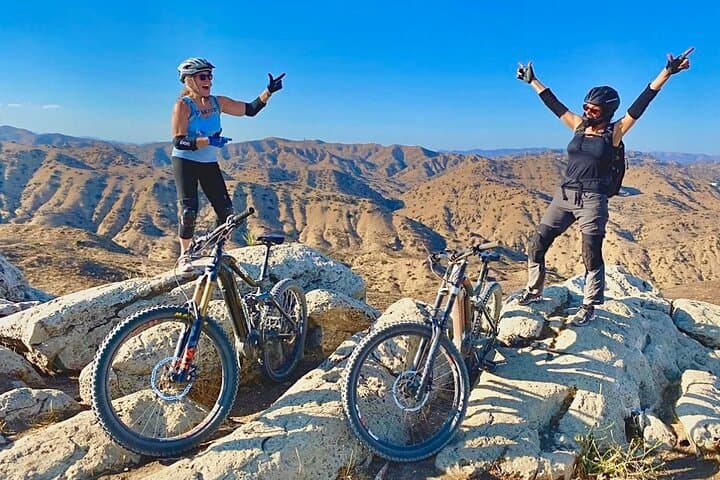
On a late‑morning in Agoura Hills the air tastes of sunbaked sage and brake dust. You shoulder the borrowed helmet—sleek, utilitarian—while the guide thumbs the power on to a Ducati TK‑01RR. The electric whirr is immediate, not silent: a small, insistent promise of speed. For two hours you will trade pavement for fire roads, tame singletrack, and panoramic windows into the Santa Monica Mountains. The loop in Cheeseboro and Palo Comado feels local and expansive at once; suburban rooftops duck away and the ridgelines take over, each oak and chaparral shrub a line in a landscape that seems to remember horse‑and‑stagecoach routes more than SUVs.
This is not a raw, technical enduro. The tour is pitched as soft intermediate: expect a sustained fire‑road climb that asks for steady breathing and the occasional pedal, then a high‑reward ridge sit at the summit before a grin‑inducing singletrack descent. The e‑motor evens the gradient, turning what could be a laborious ascent into a longer conversation—with views, geology, and the small dramas of the trail—rather than a contest with your legs. In roughly 90–120 minutes you’ll cover about 8–12 miles with an elevation change in the neighborhood of 800–1,200 feet; it’s enough to feel accomplished without burning the rest of your day.
Geologically, the Santa Monica Mountains are coastal ranges written by uplift and sliding faults. The rocks here are a mix of marine sandstone and older sediments, and the ridgelines fall away into canyons carved by seasonal streams. You’ll see it in the trail textures: hardpacked dirt, pockets of shale, and the sudden scatter of river cobble where water remembers itself during wet years. Botanically, chaparral rules—the low, resilient shrubs that smell faintly of lemon when crushed—intertwined with threadbare oaks that shade the occasional switchback.
Culturally, these canyons have long been crossroads. Tongva people lived and traveled in the region for millennia; later, Spanish ranching and stagecoach traffic left traces in place names and the old roads that your ride occasionally follows. Today the parks are an outdoor refuge for a dense Southern California population: hikers, mountain bikers, horseback riders, and families seeking a quick wilderness fix from the sprawl. That shared use is part of the ride’s rhythm—keep courtesy on blind turns and you’ll be accorded equal respect.
Practically speaking: the trip begins with premium e‑mountain bikes (Ducati Limited Edition TK‑01RR and Specialized Kenevo Expert among the options) and protective gear—knee and elbow pads, gloves, and eyewear. Guides handle mechanical setup and a quick skills demo so you spend less time fiddling and more time riding. The climb is mainly fire road; the descent is singletrack that leans playful rather than savage, with short switchbacks and rollable technical features. This is a two‑hour window of curated exposure to the Santa Monicas—enough to feel the hills lift you, then drop you back into town with sun on your shoulders.
Why go? Because e‑bikes change the calculus: you can see more ground in less time, arrive at viewpoints without exhausting the descent, and experience a singletrack that feels like a reward, not retribution. For intermediate riders who want to push speed and skill but aren't seeking gnarl, Cheeseboro delivers a balanced day out. For riders newer to e‑bikes, the guided setting and premium machines ease the learning curve.
Planning notes: mornings are cooler and clearer—ideal for more aggressive riding—while midday light makes the hills glow but can bake exposed sections. Bring sun protection, a hydration pack, and a base layer that breathes; the e‑motor doesn’t replace the need for stamina but it does let you use it where it’s most fun. Guides typically run the tour from a meeting point near Agoura Hills or Thousand Oaks, and the experience is priced from about $169 with instant confirmation and free cancellation—a good value for high‑quality bikes and a guided route.
On the descent, listen for the canyon: wind through scrub, the distant hum of freeways folded into the valley below, and a chorus of songbirds that punctuate each berm. The ride ends not with a heroic summit pose but with small triumphs—nailing a tricky line, sharing a laugh over lunch plans, sipping water while the guide points out a former stage route or a rare wildflower.
If you want a condensed outdoor day that still feels like an escape, this two‑hour electric MTB tour is a practical and pleasurable way to access the Santa Monica Mountains. It’s a blend of adrenaline and landscape literacy—guided, measured, and designed so riders leave knowing they got something real: a taste of ridgeline riding, a better sense of their bike, and a view of Los Angeles’s wild edge that sticks.
For trip planning: book morning slots in spring or late fall for ideal temps, bring layered sun protection, and allow an hour afterward to change and explore Agoura Hills or Thousand Oaks for coffee or a beer. This ride is a compact, high‑value dose of California hill country—modern, machine‑assisted, and still, somehow, fundamentally rustic.
Trail wisdom
Small choices, better day.
Start Early
Morning rides avoid heat and crowds—trail temps and visibility are best before midday.
Use the Assist Smartly
Let the motor help on the climb and conserve battery for technical sections where traction and throttle control matter.
Ride Respectfully
Yield to uphill hikers and horses; call out lines on blind corners to avoid surprises.
Hydrate and Snack
Bring 1–2 liters of water and a compact snack—e‑bikes make you go farther and you’ll appreciate the energy.
Local knowledge
Read the place, not just the route.
Watch for native species including Mule Deer, California Quail.
Keep an eye out for wildlife during the transition between areas and habitats. Respect distance guidelines.
The area is managed to balance recreation and habitat; stick to trails, pack out trash, and avoid disturbing native plants and wildlife.
Follow the guide's instructions on size limits, ethical handling, and leave-no-trace practices.
Palo Comado meadow overlooks—an early morning spot for low sun and bird activity. Small saddle viewpoints along the descent where ocean glimpses open on clear days
Locally recommended viewpoints and quiet spots known best to local operators.
Cheeseboro and Palo Comado have long histories from Tongva habitation to Spanish and ranching eras; old roads still influence current trails.
Maritime roots and regional tradition shape the waterways and working coasts.
Seasonal guide
Four versions of the same landscape.
Spring
Best forWildflowers · Mild temperatures · Longer daylight
ChallengesOccasional muddy patches after rain · More hikers on weekends
Spring brings cool weather and wildflowers—trails can be soft after storms, so check conditions.
Summer
Best forDry trails · Sunlit vistas · Extended hours
ChallengesHigh heat · Fire season restrictions · Sparse shade
Summer offers sun and dry singletrack but ride early to avoid heat and stay aware of fire advisories.
Fall
Best forClear air · Stable weather · Quiet trails
ChallengesShorter days · Cooler mornings
Fall is ideal for crisp air and stable riding; layer for cool starts and warmer afternoons.
Winter
Best forQuieter trails · Green post‑rain scenery
ChallengesSteep, muddy sections after storms · Possible closures
Winter can be rewarding after rains but expect muddy stretches and occasional trail closures.
Operator details
What the booking data adds.
Included
- ✓Bottled water
- ✓Full Gear included: Troylee Designs knee and elbow protection, gloves, and eye wear.
- ✓Snacks
- ✓2025 Specialized Kenevo electric mountain bike helmet,gear and other protective pads.
Good to know
- ✓Not recommended for travelers with spinal injuries
- ✓Not recommended for pregnant travelers
- ✓Not recommended for travelers with poor cardiovascular health
- ✓Travelers should have at least a moderate level of physical fitness
Pack with intention
What to bring.
Good to know
Common questions.
Moderate fitness: you should be comfortable cycling for 60–90 minutes with some sustained efforts—e‑assist helps on the climbs.
Plan the edges
The details that make the day easier.
Cheeseboro and Palo Comado are part of the Santa Monica Mountains National Recreation Area, one of the largest urban national parks in the U.S.
After the ride, head into Agoura Hills or nearby Thousand Oaks for pub fare and local brews—Old Place or Saddle Peak Lodge (for a splurge) offer a distinctive SoCal post‑ride vibe.
- Closest airport
- LAX (~35–45 miles). Typical drive time from Agoura Hills downtown to trailhead: 10–20 minutes. Cell service: intermittent in canyon sections. Permits: no day permit typically required—stay on designated trails and check park notices for closures.
Trails run through sensitive chaparral and oak habitats—ride only on designated routes, avoid shortcutting switchbacks, and pack out all trash to protect local wildlife.
Explore by topic
Follow the threads.
Keep exploring
Make the story part of the trip.
Set out from Bass Harbor for a private, customizable day on Blue Hill Bay — lighthouses, puffins, seals, and the chance to feel Acadia from the water. Small groups, local captains, unforgettable views.
In four hours you can move from shaded canyon ferns to wind-scoured coastal ridgelines, guided by someone who knows where the light—and the hidden views—live. This private half-day hike on the Monterey Peninsula or Big Sur is compact, curated, and perfect for travelers who want depth without a multiday commitment.
 Related story
Beneath a sky of shifting light, Skaftafell’s ice reads like a map of time. This three-hour guided glacier hike mixes technical instruction with geology and culture: compact, safe, and unforgettable.