
What the day feels like
You leave Los Angeles before dawn, the city shrinking into taillights while the van hums east toward the San Bernardino foothills. The air changes in stages: freeway exhaust, then sage and sun-baked chaparral, and at last the cool, mineral hint that rides the canyon. By midmorning the trail spills you into a slot of rock where Deep Creek has carved a green seam through desert. The first steam rising from the pools feels like a welcome—nature greeting you with a soft exhale.
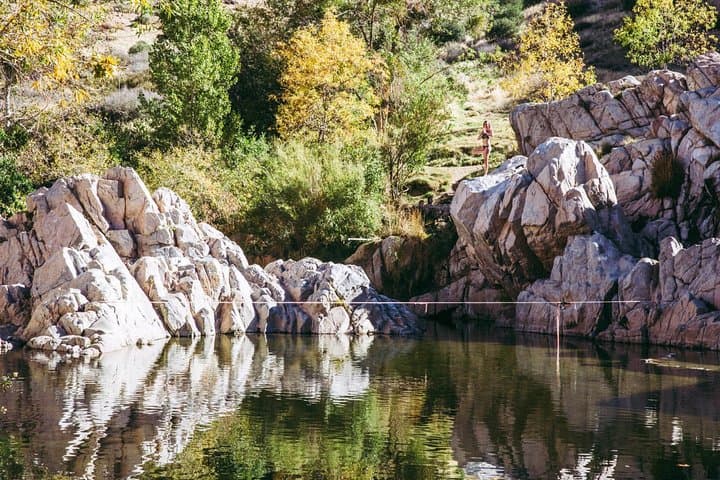
Deep Creek Hot Springs is not a resort but a discovery, a pocket of geothermal warmth tucked into the Mojave's meeting with the San Bernardino Mountains. On the map it sits near the Pacific Crest Trail, a ribbon that connects Canada to Mexico and which, for a few miles, offers hikers alpine vistas and desert transition zones in the same afternoon. The springs themselves are a series of terraced pools, fed by groundwater warmed along deep faults; depending on rock and season, you’ll find small soaking holes, larger pools, and always that steady sound of water negotiating its way downstream.
Geology here reads like a slow-motion argument. Deep Creek has cut through layers of alluvial fans and metamorphic rock, exposing seams where geothermal water finds easy passages to the surface. The canyon walls tell an old story of uplift and erosion; in quieter moments you can sense time as movement—rock shedding, rivers carving—rather than an abstract calendar. This is also Serrano country. Indigenous people have traversed and stewarded these lands for millennia; their knowledge of water, seasons, and routes is woven into the landscape.
A day trip to Deep Creek is kinetic and restorative in equal measure: a moderate hike on dusty, sometimes rocky trails; a deliberate descent into shade and ripple; then the indulgent gravity of warm water. The Viator day tour bundles it—a round trip from the coast, snacks and lunch, and a guided approach to the more adventurous sections where cliff jumping is an option. If you prefer to go unguided, plan for about 6 miles round-trip on mixed terrain with roughly 900 feet of cumulative elevation change depending on the route, and trail surfaces that range from smooth dirt to loose talus.
The water pushes on you, sometimes daring you toward the deeper pools and the cliffs where locals and experienced visitors leap. Cliff jumping here is not a casual activity; rock faces hide shallow shelves and variable currents. The guide-provided vantage points and local knowledge in a booked excursion make a real difference. The springs are small enough that crowds matter—early or late windows of the day feel most private, and weekdays are significantly quieter than weekend afternoons.
Practicalities thread closely with the pleasure. Hydration is essential: desert air will wick water faster than you expect. Footwear should be sticky and supportive—the approach has slick stones and loose scree—and a lightweight layer is handy when canyon breezes cool you after a soak. Respect is non-negotiable: these are natural hot springs, not a managed spa. Pack out everything, keep noise down, and follow local customs; the area has faced sustained pressure from careless visitors and wildfire risk. Recent seasons have shown how quickly a fragile place can suffer, and stewardship is part of the visit.
Culturally, the springs occupy a modern mix: day-trippers from the Inland Empire, PCT thru-hikers passing through, and Los Angeles escapees who value solitude just outside the metro sprawl. Because the pools are exposed and access informal, attitudes about modesty vary—know what to expect and plan accordingly. Guides commonly route groups to the safest soaking pools and cliff-jump spots, and they help interpret the canyon’s ecology: where riparian plants cluster, how water supports amphibians, and why certain trail stretches are more susceptible to erosion.
If you go, aim for shoulder seasons. Fall brings the best weather balance—cool mornings and warm afternoons—and spring has wildflowers and a fuller creek. Summer packs heat and crowds; winter can deliver surprising cold and flash-flood risk. The Viator tour format does the heavy lifting of logistics—transport, basic gear, and a curated route—so you can focus on the canyon and the water. For independent travelers, arrive early, mind the day-use nature of the area, and carry emergency supplies: a simple first-aid kit, a headlamp if you linger into dusk, and a way to treat water if you plan to refill.
At the day’s end the van climbs back into civilization and radio chatter returns. But the silence of the canyon clings—heat on skin, the mineral taste of water, the creek’s confident flow—small things that take up space in your head and loosen whatever pressure the city builds. Deep Creek is a contained wildness: accessible, fragile, and immediate. It’s the sort of place that asks you to slow down and, for a few hours, be measured by the movement of water instead of the clock.
Trail wisdom
Small choices, better day.
Start early
Beat both the crowds and midday heat—arrive at the trailhead or join the morning shuttle to enjoy quieter pools.
Wear grippy shoes
Expect mixed terrain: slick river rocks, loose scree, and short steeps—trail runners or approach shoes work best.
Hydrate and salt
Bring at least 2 liters of water and a salty snack—the desert air and hot soaks dehydrate faster than you think.
Assess cliff spots
Don’t jump blind—use a guide or scout entry and exit points; water depth and submerged shelves vary by pool.
Local knowledge
Read the place, not just the route.
Watch for native species including Western toad, Red-tailed hawk.
Keep an eye out for wildlife during the transition between areas and habitats. Respect distance guidelines.
The site feels the pressure of heavy visitation and wildfire risk—pack out trash, limit noise, and avoid building new fire rings to protect riparian habitat.
Follow the guide's instructions on size limits, ethical handling, and leave-no-trace practices.
Upper seep pools upstream of the main terrace (smaller and quieter). Short PCT spur views just above the canyon that show the desert-to-mountain transition
Locally recommended viewpoints and quiet spots known best to local operators.
This canyon lies within lands traditionally used by Serrano people; the creek has long been a seasonal water source and meeting place.
Maritime roots and regional tradition shape the waterways and working coasts.
Seasonal guide
Four versions of the same landscape.
Spring
Best forWildflowers · Full creek flows · Milder soaking temperatures
ChallengesHigher creek flows · Possible muddy trails
Spring brings water and color; pools are full and the canyon is lively, but sections of trail can be saturated—use caution near faster currents.
Summer
Best forWarm evening soaks · Long daylight hours
ChallengesHigh temperatures · Increased crowds · Low creek levels in late summer
Summer delivers hot days and pleasant nights for soaking, but plan around heat—early starts and shade breaks are necessary.
Fall
Best forStable weather · Pleasant hiking · Fewer crowds
ChallengesShortening daylight · Cooler evenings
Fall is often the ideal window: warm afternoons for soaking and cool mornings for the hike, with lighter visitation.
Winter
Best forHot-water comfort · Dramatic skies
ChallengesCold air temps · Flash-flood risk after storms
Winter soaks can be sublime when the pools contrast with cold air, but check weather forecasts—recent rains can make the canyon unsafe.
Operator details
What the booking data adds.
Included
- ✓Bottled water
- ✓Snacks
- ✓Lunch
- ✓Air-conditioned vehicle
Good to know
- ✓Service animals allowed
- ✓Public transportation options are available nearby
- ✓Infants are required to sit on an adult’s lap
- ✓Not recommended for travelers with spinal injuries
- ✓Not recommended for pregnant travelers
- ✓Not recommended for travelers with poor cardiovascular health
- ✓Suitable for all physical fitness levels
Pack with intention
What to bring.
Good to know
Common questions.
Routes vary, but expect roughly 4–6 miles round-trip depending on your starting point and the trail variant—plan for several hours including soak time.
Plan the edges
The details that make the day easier.
Deep Creek Hot Springs are fed by groundwater heated along faults in the San Bernardino Mountains; the canyon sits within traditional Serrano lands and has long been a seasonal water source.
After a soak, head back toward Hesperia or Victorville for hearty comfort food—local Mexican spots and classic diners along old Route 66 make for a relaxed post-adventure meal; for craft beer, check breweries in Victorville.
- Closest airport
- Ontario International (ONT) ~60 miles; Driving distance from Hesperia trailheads: 20–40 minutes depending on route; Cell service: intermittent in canyon; Permits
- passes
- no universal permit, but check local closures and parking rules before arrival.
This is a sensitive riparian area—pack out all trash, avoid soaps in the water, and stick to established trails to reduce erosion and protect wildlife.
Explore by topic
Follow the threads.
Keep exploring
Make the story part of the trip.
Set out from Bass Harbor for a private, customizable day on Blue Hill Bay — lighthouses, puffins, seals, and the chance to feel Acadia from the water. Small groups, local captains, unforgettable views.
In four hours you can move from shaded canyon ferns to wind-scoured coastal ridgelines, guided by someone who knows where the light—and the hidden views—live. This private half-day hike on the Monterey Peninsula or Big Sur is compact, curated, and perfect for travelers who want depth without a multiday commitment.
 Related story
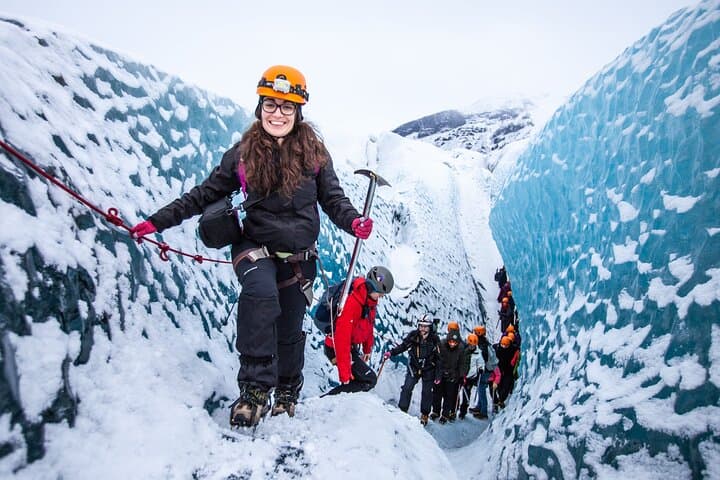
Beneath a sky of shifting light, Skaftafell’s ice reads like a map of time. This three-hour guided glacier hike mixes technical instruction with geology and culture: compact, safe, and unforgettable.