
What the day feels like
Morning in Breckenridge arrives with a hush that feels earned. The Tenmile Range sits like a row of sentinels above town, and the creek threads through spruce and fir, whispering you uphill. The path leaves pavement behind quickly, trading storefront chatter for the soft percussion of footfalls. Needles underfoot cushion each step. Water braids alongside, daring you to match its pace, while chickadees flicker through branches like punctuation marks in the quiet. This is not a race. It is a three-hour permission slip to slow down, to let the high-country air pry open your senses, and to turn what you notice into marks on a page. Creative Hiking: Artists Observe is part stroll, part studio—an easy-going rise from Main Street to a peaceful reservoir where water stands still and your ideas can, too. The climb is modest but honest, a gentle gain that reminds you Breckenridge sits over 9,600 feet. The altitude gives the light extra sharpness. Rocks gleam after last night’s dew. Willows lean in, curious. Pines hold their breath when you pause to switch from walking to seeing. A bend in the trail reveals a pocket of shade, a flat rock, the perfect ledge for a sketchbook. The creek encourages a first line. Then a second. Your hand follows the rhythm of the current, and the scene turns into shapes you can carry home. This hybrid of hike and art session thrives on Breckenridge’s blend of alpine calm and creative energy. The town’s mining past still runs through its bones—founded in 1859, it grew from gold rush grit and later dredge boats that gnawed the Blue River for ore. Today, the same valleys are prized for their wildness, and their renaissance as a creative hub shows in the Breckenridge Arts District, a cluster of restored cabins and studios that keep the town’s cultural heartbeat steady. That blend of old and new—ore to art—is part of what makes this outing quietly remarkable. The trail climbs alongside a burbling stream toward a small, mirror-still reservoir tucked in the woods a short walk above town. In June and July, wildflowers throw color at your ankles: paintbrush, columbine, asters. By September, the aspens run gold along the edges, and their reflections ripple like liquid foil across the water. Geologically, the Tenmile Range is a story of uplift and ice; the rounded basins and hanging valleys you’ll glimpse on the skyline are the handiwork of long-vanished glaciers. That history leaves a kind of clarity on the land. Edges read cleanly. Doing art here feels inevitable. You don’t need experience. Start with pen lines that capture the lean of a trunk. Try a watercolor pencil to tease out the curve of the creek; brush on a little reservoir blue. If you’ve never mixed color outdoors, let the landscape teach you: shadows are never just gray, water never just blue, and the sun pushes highlights forward like a confident editor. A compact kit is plenty—sketchbook, a tiny palette, water brush, and a sit pad. Even better, this hike invites the company of others making their own observations. Silence becomes collaborative. When you later gather to share pages, you realize how the same bend in a path produced five different point-of-view stories. That’s the gift of looking closely. While the outing is art-forward, it retains the pragmatism every mountain walk demands. Hydrate early. Mornings are calm; afternoons can flip the script with fast-moving thunderheads. In summer, clouds muscle in by two, drum a warning, and drop a quick burst of rain. Layers are your friend, as is a brimmed hat. Sunscreen is non-negotiable at this elevation. Good shoes with traction matter for short, gravelly pitches. Pack it all light—you’ll want a hand free for your sketchbook. Bring respect, too. Alpine meadows and shorelines are fragile. Keep paints and rinse water away from the stream and reservoir; a small, reusable dump bottle is the responsible move. Stay on durable surfaces. You’re here to observe, not to leave a mark that doesn’t belong. Between brushstrokes, put the pen down and listen. A Steller’s jay heckles from the spruce; squirrels run logistics along the logs. Sometimes a cow moose ghosts through willow thickets near water—give wildlife wide room, no exceptions. The landscape leads, you follow, and your art simply notes the agreements you make along the way. If you want deeper local context—where to set up for a better angle, which side path holds a pocket of shade, or how to adjust to the elevation—consider tapping into insights from <a href="https://app.advcollective.com/local-experts/undefined">local experts in Breckenridge</a>. Their on-the-ground perspective can sharpen both your route-finding and your art practice. Many creative travelers also coordinate with <a href="https://app.advcollective.com/local-experts/undefined">Breckenridge guides</a> to time the outing around morning light or peak fall color. And beginners often appreciate quick technique refreshers from <a href="https://app.advcollective.com/local-experts/undefined">creative hiking instructors</a> who know what plays well in alpine conditions. Back at the reservoir, the water holds your reflection steady enough to make you a character in your own sketch. Wind lifts and sets, the surface edits itself, and your brush keeps time with it. Before heading down, there’s a quiet moment of show-and-tell. The group reconvenes, pages open, humility intact. You see your hike twice—once in memory, again in ink. And the walk back to town feels shorter, as descents often do, gravity and gratitude conspiring to make the return easy. This is the rare adventure that refuses to choose between movement and stillness. You get both. Legs carry you into the trees, and then the work of seeing takes over. The route is short, the impact long. If you’ve wanted to add a creative edge to your mountain time, this is your clean, simple invitation to begin.
Trail wisdom
Small choices, better day.
Respect the Altitude
Drink water before you feel thirsty and keep your pace conversational; this route climbs gently but starts around 9,600 feet.
Pack a Compact Art Kit
A small sketchbook, travel watercolor set, water brush, and a lightweight sit pad are enough to capture the scene without weighing you down.
Beat Afternoon Storms
Start early to avoid typical summer thunderheads; if you hear thunder, head down immediately and avoid exposed shorelines.
Leave No Trace with Paint
Keep rinse water and pigments away from the creek and reservoir; pack a small dump bottle and dispose of it in town.
Local knowledge
Read the place, not just the route.
Watch for native species including Steller’s jay, Moose (give extra space if encountered).
Keep an eye out for wildlife during the transition between areas and habitats. Respect distance guidelines.
Stay on durable surfaces to protect shoreline plants, and keep pigments and rinse water out of streams and the reservoir to avoid aquatic impacts.
Follow the guide's instructions on size limits, ethical handling, and leave-no-trace practices.
A quiet boulder perch on the reservoir’s leeward side that blocks wind for steadier brushwork. A creek-side footbridge near the lower trail where dappled light makes great thumbnail studies
Locally recommended viewpoints and quiet spots known best to local operators.
Breckenridge was founded in 1859 during the Colorado Gold Rush; today its nationally recognized historic district preserves many 19th-century buildings now home to galleries and studios.
Maritime roots and regional tradition shape the waterways and working coasts.
Seasonal guide
Four versions of the same landscape.
Spring
Best forSnowmelt cascades · Quiet trails before summer crowds
ChallengesMuddy sections · Lingering snow and cold mornings
Expect variable conditions—patchy snow at higher shaded spots and brisk temps; bring waterproof shoes and warm layers.
Summer
Best forWildflowers · Long daylight for art sessions
ChallengesAfternoon thunderstorms · Intense UV at altitude
Start early, carry sun protection, and plan to be below treeline and off exposed edges by midafternoon.
Fall
Best forAspen color · Crisp, steady light for sketching
ChallengesCool winds at the reservoir · Shorter daylight
Bring a wind layer and warm hat; mornings are ideal for calm reflections and saturated color.
Winter
Best forSnow-draped pines · Minimal crowds
ChallengesIcy or packed-snow trails · Cold fingers for painting
Use microspikes and insulated gloves; consider quick line sketches outside and adding color indoors later.
Pack with intention
What to bring.
Good to know
Common questions.
Plan for roughly 2–3 miles round-trip with gentle to moderate elevation gain from town to the reservoir and back.
Plan the edges
The details that make the day easier.
BreckCreate (Breckenridge Creative Arts), founded in 2014, transformed historic buildings into a walkable arts district that hosts classes, installations, and community events year-round.
After your descent, swing by Breckenridge Brewery & Pub for a local pint and mountain views, or queue up at Crepes A La Cart for a sweet or savory reward. If you’d rather keep the art vibe going, wander the Breckenridge Arts District studios and galleries—many evenings host open houses and small performances.
- Closest airport
- Denver International Airport (DEN), about 104 miles (2 hours) via I-70. Trailhead: Steps from downtown near 150 W Adams Ave; no shuttle needed if you’re staying in town. Cell service: Generally good in town, spotty along the creek and at the reservoir. Permits: None required for day hiking; standard town parking rules apply.
This high-alpine watershed feeds the Blue River—pack out all trash, keep pigments and rinse water out of streams and the reservoir, and stick to established paths to protect sensitive shorelines.
Explore by topic
Follow the threads.
Keep exploring
Make the story part of the trip.
In four hours you can move from shaded canyon ferns to wind-scoured coastal ridgelines, guided by someone who knows where the light—and the hidden views—live. This private half-day hike on the Monterey Peninsula or Big Sur is compact, curated, and perfect for travelers who want depth without a multiday commitment.
 Related story
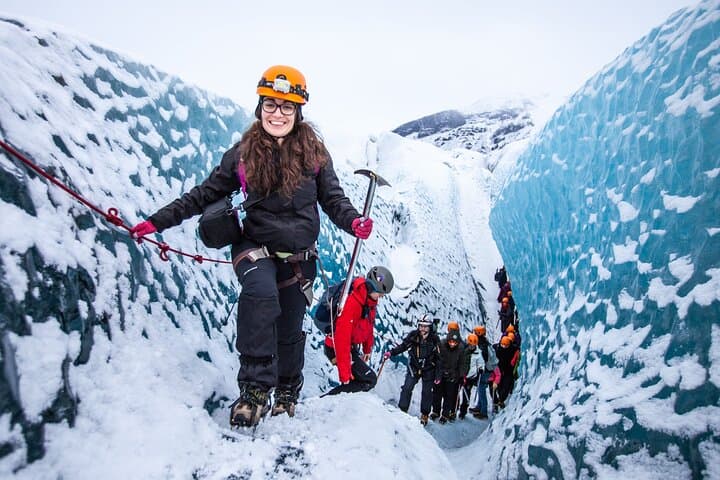
Beneath a sky of shifting light, Skaftafell’s ice reads like a map of time. This three-hour guided glacier hike mixes technical instruction with geology and culture: compact, safe, and unforgettable.
 Related story
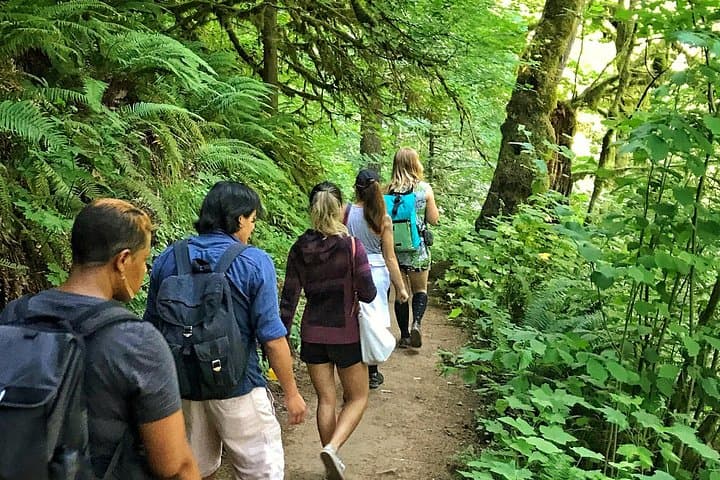
Lose the city for a few hours without leaving it: this 5-mile, 900-foot-gain Forest Park loop threads old-growth pockets, city viewpoints, and cultural landmarks for a compact taste of Portland’s wild side. Expect moss, roots, and stories.