
What the day feels like
Morning light slides into Tombstone Canyon like a curtain being pulled back, revealing a town that wears its history in copper and color. In Old Bisbee, staircases climb steep hillsides and galleries lean into narrow streets, and the canyon walls echo a slow desert heartbeat. This is where the Art of Bisbee Tour begins—on foot, unhurried, with a guide who knows which alleys hold surprises and which facades tell stories. The town greets you with chipped paint and bright murals, a palette born from mining grit and creative defiance.
You wander past iron balconies and brick storefronts, the canyon’s breeze nudging you forward. Mural after mural appears—some small and sly on utility doors, others towering and declarative on backlot walls. Names surface as you go: Rose Johnson’s incandescent figures, Judy Perry’s desert palettes, the incisive linework of Jules Muck, and contributions from Carolyn Toronto, Ben Dale, and Pablo Pencil that stitch together an identity that’s equal parts playful and profound. Bisbee’s surfaces speak; they dare you to look closer. Even the sun seems to play curator here, spotlighting a spray of color, then shifting to reveal a hidden vignette in the shade.
The route is short in miles—1 to 2, depending on detours—but rich in elevation and texture. Stairs step up where the canyon narrows; sidewalks tilt and meander. Wear good shoes and bring water. The town was built to haul ore, not coddle ankles, and that’s part of its charm. Around a bend, the canyon opens to Gallery 818, a world-class space whose collection leaps from local to global in a single threshold. Inside, you’ll find contemporary works by 100 artists from 40 countries—a startling roll call that includes Banksy, Swoon, Cey Adams, PichiAvo, Warhol, and Lady Pink. The juxtaposition is the point: Bisbee’s contemporary voice is in conversation with the world, and the gallery is where those voices converge.
To understand how this happened, you have to remember what Bisbee was. Founded in the late 19th century and fueled by the Copper Queen Mine, the town helped wire the American century. Nearly eight billion pounds of copper came out of these hills, along with gold, silver, lead, and zinc. Geology wrote the first act—limestone and ore seized by fault lines, then carved by a tenacious creek that still talks in the background—and labor wrote the second. When the mines slowed, artists arrived, turning vacant spaces into studios and reinvention into a civic craft. The canyon didn’t resist; it welcomed color the way it once welcomed ore cars. In Bisbee, the terrain collaborates: walls catch shade for street art, steps pull you toward rooftop views, and narrow lanes frame compositions so tight they feel cinematic.
Culture thrives in these layers. The tour threads past community galleries, private studios tucked behind gardens, and public art that locals debate and defend. You learn when to pause—like you would on a trail—to absorb a piece that shifts with the angle of light. Your guide might point to a subtle stencil tucked under a staircase or a collage that borrows rusted tin and typography from the town’s industrial past. This is a living gallery where curators are neighbors and neighbors are patrons. If you want to go deeper, consider tapping trusted [local experts](https://app.advcollective.com/local-experts/undefined) for additional studio visits or to extend your exploration beyond the tour.
Gallery 818 anchors the experience. It’s a self-guided immersion with international scope, and its curation ties Bisbee’s creative surge to a larger moment in contemporary art. Seeing Warhol’s cool detachment across the room from the raw velocity of Lady Pink or the social wit of Banksy reframes the murals you just passed. It also underscores the town’s confidence: Bisbee is no longer just a picturesque relic of mining history—it’s a desert art capital with an edge. If you’re the type who likes context, ask about current shows, rotating exhibits, and how the collection evolves. If you want more intel on artists exhibiting around town, the best source remains on-the-ground knowledge—again, reach out to [local experts](https://app.advcollective.com/local-experts/undefined) who can steer you to pop-ups, opening nights, and works-in-progress hidden in plain sight.
Practically, the tour is straightforward and accessible—ideal for travelers who prefer cultural depth with a hint of exertion. Expect a couple of mild stair climbs, uneven sidewalks, and frequent stops to parse meaning and technique. Hydration matters more than you’d think; the high-desert air is dry even when canyon shade feels cool. The experience fits nicely into a half-day: take the morning tour, linger at Gallery 818, then break for lunch before wandering back to photograph your favorite pieces in better light. Return in late afternoon if you can—the canyon’s golden hour gives murals a new voice and makes colors hum.
What sets this tour apart is its relationship with the land. The canyon cradles town and art alike, forcing the eye to look up, then in, then back down again. Hillside houses perch on stilts like attentive birds. Alley cats drift from stoop to stoop. Ravens patrol the ridgelines as if appointed by the city council. In that chorus, the art feels inevitable. It’s a dialogue among geology, history, and the people who decided to stay and make something new. By the time you reach the last stop, you’ve read the canyon’s text in a different language—one written in aerosols and brushwork, in wheat paste and welded metal.
If you’re building a larger itinerary, Bisbee rewards lingering. Add time for the Copper Queen Mine Tour to ground the art in origin story. Stroll Brewery Gulch for local tastes and live music. And keep your eyes open: Bisbee’s best pieces aren’t always on maps. A few blocks off the main drag you might find a doorway that’s become a portal, a fence that learned to dance, a brick wall wearing a new face. That’s part of the pleasure—this tour doesn’t just show you the art; it teaches you how to keep finding it, with or without a guide. And when you want to go deeper, there’s always another layer waiting—often a conversation or a recommendation away from the next [local expert](https://app.advcollective.com/local-experts/undefined).
Trail wisdom
Small choices, better day.
Footing First
Wear supportive walking shoes—Old Bisbee’s sidewalks tilt, and stair climbs add up quickly.
Hydrate in the High Desert
Even in shade, the dry air dehydrates fast. Carry at least 1 liter of water per person.
Mind the Light
Plan extra time to revisit murals in late afternoon when canyon light turns colors vibrant and shadows dramatic.
Gallery Etiquette
Ask about photography rules inside Gallery 818 and smaller studios; some works prohibit flash or close-ups.
Local knowledge
Read the place, not just the route.
Watch for native species including Ravens riding canyon thermals, Urban javelina occasionally wandering near residential stairways.
Keep an eye out for wildlife during the transition between areas and habitats. Respect distance guidelines.
Street art is fragile—avoid touching murals and respect private property. Support local artists and galleries that maintain and commission public works.
Follow the guide's instructions on size limits, ethical handling, and leave-no-trace practices.
Muheim Heritage House overlook for a canyon-wide perspective on murals and rooftops. Subway Street’s tucked-away stencil and paste-up corridor
Locally recommended viewpoints and quiet spots known best to local operators.
Founded in the 1880s, Bisbee’s Copper Queen operations helped electrify the country; the mines produced billions of pounds of copper and shaped life throughout the Southwest.
Maritime roots and regional tradition shape the waterways and working coasts.
Seasonal guide
Four versions of the same landscape.
Spring
Best forComfortable walking temps · Vivid afternoon light
ChallengesWindy afternoons · Allergy season for some travelers
Pleasant temperatures and long daylight hours make spring prime for exploring murals and galleries without summer heat.
Summer
Best forEarly morning starts · Indoor gallery time during midday
ChallengesHigh heat · Intense sun in exposed stretches
Beat the heat by starting early, hydrating often, and using galleries as cooling interludes.
Fall
Best forBalanced weather · Golden-hour photography
ChallengesWeekend crowds · Occasional afternoon storms
Crisp mornings and warm afternoons create ideal walking conditions; aim for weekdays to dodge crowds.
Winter
Best forQuiet streets · Clear desert skies
ChallengesChilly mornings · Shorter daylight hours
Cool but generally mild; pack layers and plan your tour in the sunniest part of the day.
Pack with intention
What to bring.
Good to know
Common questions.
Plan on 1–2 miles with a few short stair climbs and gentle grades through Old Bisbee.
Plan the edges
The details that make the day easier.
The Bisbee mining district produced nearly 8 billion pounds of copper, along with significant gold and silver, fueling rapid growth in the early 20th century.
Refuel at Bisbee Coffee Co. on the plaza, grab a pint at Old Bisbee Brewing Company, and book dinner at Cafe Roka for a refined desert meal. For picnic supplies and a stellar sandwich, swing by High Desert Market & Cafe.
- Closest airport
- Tucson International (TUS), ~95 miles
- 1.75–2 hours. Meeting point
- Old Bisbee near Tombstone Canyon. Expect spotty cell service in narrow streets and alleys. No permits required; advance tour booking recommended.
Treat murals as you would artifacts—no touching, no leaning, and pack out any trash. Choose reusable bottles, support local galleries, and stay on sidewalks to protect fragile hillside landscaping.
Explore by topic
Follow the threads.
Keep exploring
Make the story part of the trip.
In four hours you can move from shaded canyon ferns to wind-scoured coastal ridgelines, guided by someone who knows where the light—and the hidden views—live. This private half-day hike on the Monterey Peninsula or Big Sur is compact, curated, and perfect for travelers who want depth without a multiday commitment.
 Related story
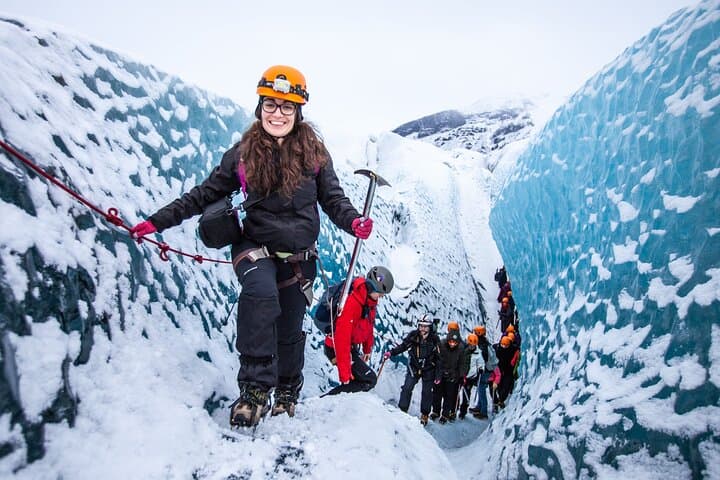
Beneath a sky of shifting light, Skaftafell’s ice reads like a map of time. This three-hour guided glacier hike mixes technical instruction with geology and culture: compact, safe, and unforgettable.
 Related story
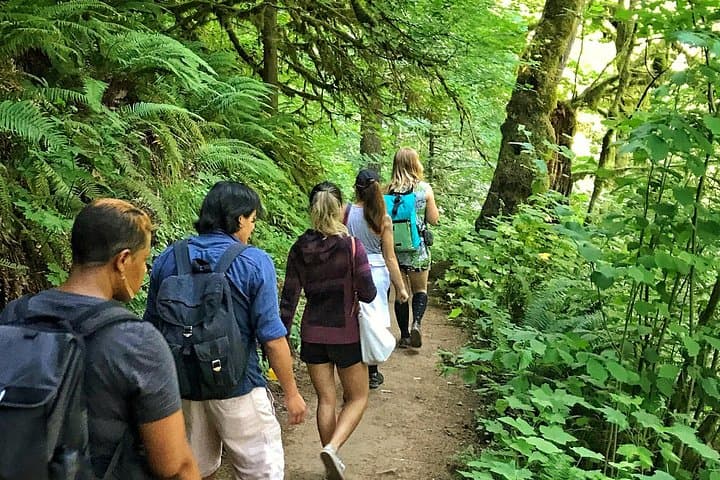
Lose the city for a few hours without leaving it: this 5-mile, 900-foot-gain Forest Park loop threads old-growth pockets, city viewpoints, and cultural landmarks for a compact taste of Portland’s wild side. Expect moss, roots, and stories.