
What the day feels like
The highway is still half-asleep when the mountains begin to stir. Pines stand at attention along the dark ribbon of road, and the Bow River murmurs like it’s in on the secret. By the time the van swings up the final switchbacks toward Moraine Lake, the night has thinned to a deep cobalt and the Ten Peaks are ghosting into view—quiet giants stretching, shrugging off the last stars. You step into the chill, a hot drink warming your hands, and the lake greets you with a level stare—mirror-flat, daring you to blink first.
This is the rare stillness that lingers just before sunrise in Banff National Park, the moment when the Valley of the Ten Peaks tilts toward the day and the world leans in. Exclusive access means you’re here ahead of the rush, a front-row seat to one of the Rockies’ most coveted shows. The first blush of alpenglow touches Wenkchemna like a match to kindling—orange, then rose, then gold. The peaks seem to exhale. The water shifts, not in waves but in mood, pulling sky into itself until the whole basin is lit from within. You sip again, and the heat reminds your body it’s early—even in July, dawn temperatures can nip. Bring layers; the morning is no place for bravado.
This is the promise of the Moraine Lake & Lake Louise Sunrise Adventure: stress-free transport, small-group energy, and a simple plan—show up, keep your eyes open, and let the lakes do what they do best. The guides are part timekeepers and part storytellers, cueing you to the best vantage points and sharing the lake’s lore without crowding the silence. They’ll help you frame a shot, offer a headlamp for the pre-dawn steps, and top up your mug when the steam fades. If you’re mapping the experience, think 1.5 unrushed hours at Moraine Lake, a quick village stop, and another 1.5 hours at Lake Louise before the rest of the world arrives. It’s a soft landing into a big day—the adventure equivalent of a well-timed deep breath.
Geology writes the script here. Glaciers grind the mountains to flour, and that suspended silt turns the water electric once the light arrives—milk-turquoise at Lake Louise, rich cyan at Moraine. In late spring, snow still clings to the ridges like an old habit; by midsummer, the high country is all stone and sky. The Rockpile at Moraine Lake, a short, stepped trail with the classic postcard view, feels like a gallery opening to the day. At Lake Louise, the shoreline walk is an easy glide along a glacial amphitheater where Mount Victoria guards the far end and the lake’s color changes by the minute. If the lake is calm, set your camera low and let that symmetry do the heavy lifting.
There’s history in the quiet. Moraine Lake graced Canada’s $20 bill in the late 1960s—a national calling card before social media made it everyone’s screensaver. Today, Parks Canada limits private vehicles on Moraine Lake Road to reduce congestion and protect wildlife corridors, which is why this guided sunrise window matters. It’s not just convenient; it’s how you reliably get there when it counts. The park’s wildlife keep their own schedule—elk often patrol the meadows at first light, Clark’s nutcrackers click through the woods, and pikas squeak from rock piles with a work ethic that puts us all to shame. Give them room. Here, the land decides the terms.
Not a morning person? The lakes will try to convert you. At Lake Louise, the scene shifts from blue hour to breakfast with a short stop in the village, then back to the shoreline for that rare tranquility before the waves from late-morning canoes smudge the reflections. If a canoe session is on your bucket list, early is best: less wind, fewer ripples, better photos. Prefer to move? Stroll to the Fairview Lookout for a quick gain and a fresh angle. Want to linger in the quiet? Find a bench and let the light do the talking.
The practicalities are the point. This is a low-impact, high-reward morning—light walking on uneven paths, lots of standing, and the kind of cold that asks for gloves even in summer. Dress in layers you can peel as the sun climbs. Sturdy shoes beat fashion boots. Bring a reusable bottle; refills are part of the plan. The guides carry the details so you don’t have to: pick-ups in Banff and Lake Louise, timing anchored to sunrise, and a gentle itinerary that leaves elbow room for you to wander or ask for the inside track. If you want to dig deeper into planning, or book this exact experience, you can find more details at the Adventure Collective’s page for the tour here: <a href="https://app.advcollective.com/local-experts/moraine-lake-lake-louise-sunrise-adventure" target="_blank" rel="noopener">Moraine Lake & Lake Louise Sunrise Adventure</a>.
As the morning matures, the lakes trade mystery for clarity. Shadows slip back into the trees. The currents push forward, quietly insistent, as tour buses begin to arrive and day hikers click into their rhythms. You’ll be heading the other direction—breakfast on the brain, memory card heavy with the good stuff, the day still young. The Rockies don’t hand out guarantees, but they do reward those who show up when the light is honest. Here, first light doesn’t just reveal the landscape—it sets the tone for everything that follows.
If you’re returning to Banff, make the most of the momentum. The town wakes with the sun in summer, bakeries opening like flowers, patios angling for the day’s first warmth. You’ve already done the hard part: you said yes to an alarm and let the mountains have your morning. Now they’ll stay with you—caught in the gleam of a coffee cup, echoing in your stride—long after the last glow fades from the peaks.
For booking details, seasonality tips, and insider advice straight from local experts, revisit the Adventure Collective guide: <a href="https://app.advcollective.com/local-experts/moraine-lake-lake-louise-sunrise-adventure" target="_blank" rel="noopener">Moraine Lake & Lake Louise Sunrise Adventure</a>. The lakes will do the rest.
Trail wisdom
Small choices, better day.
Rockpile First, Then Wander
Head straight to Moraine Lake’s Rockpile for the classic reflection, then explore shoreline viewpoints as the light changes.
Dress for the Coldest Hour
Even in midsummer, pre-dawn can dip near freezing—bring a warm layer, hat, and light gloves.
Filter the Glare
A circular polarizer helps control glare and deepen lake color once the sun clears the peaks.
Mind the Wildlife Buffer
Give elk and other wildlife ample space; use zoom instead of stepping closer.
Local knowledge
Read the place, not just the route.
Watch for native species including Clark’s nutcracker, Pika.
Keep an eye out for wildlife during the transition between areas and habitats. Respect distance guidelines.
Moraine Lake Road is closed to most private vehicles to reduce congestion and protect wildlife corridors—use shuttles or guided tours, pack out all trash, and stay on signed paths.
Follow the guide's instructions on size limits, ethical handling, and leave-no-trace practices.
Fairview Lookout for a quick, elevated view of Lake Louise. Consolation Lakes trailhead area for a quiet stroll near Moraine Lake (check conditions and bear advisories)
Locally recommended viewpoints and quiet spots known best to local operators.
Moraine Lake famously appeared on Canada’s $20 bill from 1969–1979, cementing its status as an icon of the Canadian Rockies.
Maritime roots and regional tradition shape the waterways and working coasts.
Seasonal guide
Four versions of the same landscape.
Spring
Best forSnow-framed sunrise photos · Cool, crowd-light mornings
ChallengesIcy paths · Unpredictable weather
Late spring can bring lingering ice on trails and crisp dawns; reflections are excellent on calm days.
Summer
Best forMirror-calm lakes · Canoe sessions before wind picks up
ChallengesPeak visitation · Early wake-ups
Long days and stable weather set the stage for vivid colors—arrive early to stay ahead of the rush.
Fall
Best forLarch color near high passes · Later sunrise times
ChallengesColder mornings · Occasional early snow
Autumn light is warm and low; bring extra layers and expect fewer crowds after mid-September.
Winter
Best forSnowy peaks · Quiet trails at Lake Louise village
ChallengesLimited Moraine Lake access · Deep cold
Moraine Lake road is closed; focus on Lake Louise area views and winter activities nearby.
Pack with intention
What to bring.
Good to know
Common questions.
Pick-ups are staggered to match sunrise and will be confirmed at booking based on your location in Banff or Lake Louise.
Plan the edges
The details that make the day easier.
Since 2023, Parks Canada has closed Moraine Lake Road to most private vehicles year-round; access is by shuttle, tour, bike, or with a disabled parking placard.
Refuel at Trailhead Café in Lake Louise Village for quick breakfast staples, or detour to Wild Flour Bakery in Banff for pastries and strong coffee. For a post-adventure pint, Banff Ave Brewing pours local favorites, while Alpine Social in Lake Louise is a solid sit-down option with hearty mountain fare.
- Closest major airport
- Calgary (YYC). Drive times: Calgary to Banff ~1.5–2 hours; Banff to Moraine Lake
- Lake Louise ~1–1.25 hours (tour handles transport). Cell service
- limited to none at lakes. Passes: A valid Parks Canada pass is required for Banff National Park; tour includes timing and logistics but bring your pass if you’re staying longer.
Travel on designated paths, keep 30–50 meters from wildlife (more for bears), and minimize noise at dawn when animals are most active. Use a reusable bottle and mug—this is grizzly and elk habitat; your light footprint matters.
Explore by topic
Follow the threads.
Keep exploring
Make the story part of the trip.
In four hours you can move from shaded canyon ferns to wind-scoured coastal ridgelines, guided by someone who knows where the light—and the hidden views—live. This private half-day hike on the Monterey Peninsula or Big Sur is compact, curated, and perfect for travelers who want depth without a multiday commitment.
 Related story
Beneath a sky of shifting light, Skaftafell’s ice reads like a map of time. This three-hour guided glacier hike mixes technical instruction with geology and culture: compact, safe, and unforgettable.
 Related story
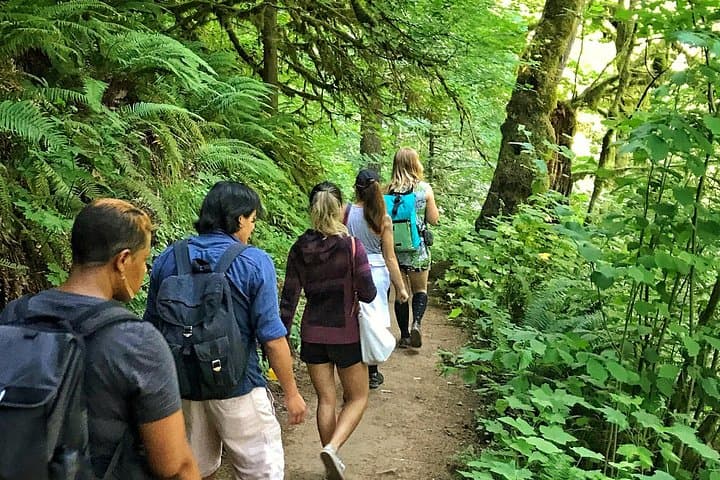
Lose the city for a few hours without leaving it: this 5-mile, 900-foot-gain Forest Park loop threads old-growth pockets, city viewpoints, and cultural landmarks for a compact taste of Portland’s wild side. Expect moss, roots, and stories.