
What the day feels like
The road curls through the Mule Mountains, and Bisbee slides into view like a mirage of brick and tin, clinging to a steep amphitheater of rust-red hills. Mornings here are crisp, the high-desert air skimming your lungs clean as light and shadow chase each other up narrow staircases. The streets curve like old rumors. The wind carries a low hum from Brewery Gulch. On this quick, two-day arc through Southern Arizona, you’ll taste wine born of sunbaked grasslands, wander a copper boomtown turned artist enclave, and stand where a gunfight etched itself into American myth.
Day one starts in the Sonoita–Elgin grasslands, where rolling oak-studded hills flash between fencelines and pronghorn sometimes pace the horizon. This is Arizona’s original wine country, a federally recognized AVA since 1984, perched around 4,500–5,000 feet. The higher elevation cools the grapes at night, and the monsoon-drenched summers push vines to dig deep. In tasting rooms that feel more like living rooms, you’ll meet growers who speak in the language of wind direction and limestone. Reds lean robust; whites flirt with mineral edges. If you’d rather not navigate the backroads, tap trusted planning help from our <a href="https://app.advcollective.com/local-experts/undefined">local experts in Southern Arizona</a>—they know which tasting rooms pair best with your palate and schedule.
By afternoon, the Mule Mountains call. Bisbee rises at 5,538 feet, its Victorian bones dressed in desert light. You check into a top-rated hotel—quiet hallways, creaky charm, a view across a canyon of corrugated rooftops—and step into the kind of small town that rewards unhurried walking. A City Cart Tour eases you into the story: miners’ cottages perched on stair-steep lanes; the elegant courthouse; brick storefronts from the copper age; murals blooming on alley walls. The cart hums up grades that would test calves, pausing for anecdotes that turn dates into people—immigrant miners, risk-taking entrepreneurs, union organizers—and for the uneasy footnote of the 1917 Bisbee Deportation, when striking workers were forced out of town. The hills remember; the steps still climb; the buildings stand and watch.
Twilight lands fast in the canyons. Brewery Gulch flickers. Galleries and cafes exchange the day’s last conversations. Grab a table, absorb the easy buzz, and listen as the wind picks up through the alleys. The town exhales, then invites you to do the same.
Morning breaks brighter on day two, the sun pushing forward as you roll 24 miles northwest to Tombstone. Boardwalks creak, spurs chime, and the OK Corral relives its 1881 moment with brisk re-enactments that trade on the West’s tightrope between fact and fable. Walk past clapboard facades, study the museum placards, and you’ll feel the distance between the booming 19th century and the modern Southwest shrink to the width of a street. It’s touristy, sure, but there’s a reason people still come—history lives loud here.
Heading back, take a few minutes at the Lavender Pit Overlook on the edge of Bisbee. The mine yawns open like a textbook on geology: turquoise-tinted benches, fractured layers, the scale impossible until a truck crawls along the rim. Copper built this place. Between 1877 and 1975, the Queen Mine and its neighbors produced millions of pounds of copper, silver, gold, lead, and zinc, powering a nation’s wiring as Bisbee grew into one of the West’s most important mining towns. Today, art studios occupy former company offices and staircases serve as both commute and community.
The Sky Islands—the name locals give to the isolated mountain ranges that rise from the Sonoran and Chihuahuan deserts—are the quiet star of this trip. These ranges trade species like postcards: hummingbirds from the tropics, high-country pines, agaves blazing on rocky slopes. Climb a block in Bisbee and the air trims a degree. Drive a half hour and the plants change their accent. This is a land built for short adventures stitched into longer stories.
Practical notes keep the pace smooth. Tucson International Airport (TUS) sits about 95 miles from Bisbee—plan 1.5 to 2 hours of drive time. Bisbee’s elevation and aridity are sneaky; hydrate early and often, and take breaks when the steps start daring you. In summer, afternoon monsoons surge fast; carry a light shell and treat lightning with respect. Many tasting rooms in Sonoita–Elgin prefer reservations on weekends; bring a valid ID for tastings, and a designated driver or safe transport plan. Cobblestone streets and steep sidewalks reward supportive footwear. For specific add-ons—like choosing tasting rooms or timing your City Cart Tour—lean on our <a href="https://app.advcollective.com/local-experts/undefined">Southern Arizona local experts</a> to dial in the details.
Two days is quick, but it’s enough to feel the region’s rhythm. The mountains pull close, the deserts exhale warmth, and old stories step out of saloon doors to stretch their legs. You leave with red dirt on your shoes and a sense that the landscape has been watching, amused, as travelers move through it—just as it watched the miners, the cowboys, and every new chapter the wind ushers in.
Trail wisdom
Small choices, better day.
Hydrate at Altitude
Bisbee sits above 5,500 feet and the air is dry—start hydrating the night before and carry a bottle all day.
Wear Real Shoes
Stairs and sloped sidewalks are part of the charm; supportive footwear beats flip-flops every time.
Time the Monsoon
In July–September, aim outdoor strolls for morning; afternoon storms can arrive suddenly with lightning.
Bring Valid ID
Southern Arizona tasting rooms card—ensure everyone in your group has a government-issued ID.
Local knowledge
Read the place, not just the route.
Watch for native species including Broad-billed hummingbirds in riparian pockets, Javelina in the early morning around oak grasslands.
Keep an eye out for wildlife during the transition between areas and habitats. Respect distance guidelines.
The Sky Islands are biodiversity hotspots—stay on sidewalks and marked paths, respect private property around tasting rooms, and conserve water in this arid region.
Follow the guide's instructions on size limits, ethical handling, and leave-no-trace practices.
Lavender Pit Overlook for a quick geology lesson and sweeping views. Erie Street in Lowell, a photogenic time capsule of mid-century Americana
Locally recommended viewpoints and quiet spots known best to local operators.
Bisbee boomed on copper, with the Queen Mine operating from 1877 to 1975; the town also faced pivotal labor history during the 1917 Bisbee Deportation.
Maritime roots and regional tradition shape the waterways and working coasts.
Seasonal guide
Four versions of the same landscape.
Spring
Best forMild wine-country afternoons · Stairway strolls and city tours
ChallengesWindy days on open ridgelines · Cool evenings
March–May brings 60s–70s by day and crisp nights. Wildflowers and clear skies set a relaxed pace.
Summer
Best forLush monsoon landscapes · Late-day photography after storms
ChallengesAfternoon thunderstorms · Heat in low valleys
June starts hot and dry; by July–September, monsoons build dramatic clouds and short, intense storms.
Fall
Best forComfortable walking temps · Harvest-season tastings
ChallengesBusy weekends at tasting rooms
October–November is prime: warm days, cool nights, and steady light that flatters Bisbee’s colorful facades.
Winter
Best forCrowd-free streets · Crisp, clear air for long views
ChallengesChilly mornings · Occasional light snow at elevation
December–February stays sunny but cold at night. Layer up and enjoy quiet galleries and cafes.
Pack with intention
What to bring.
Good to know
Common questions.
Expect short, frequent walks on steep streets and staircases during the City Cart Tour and while exploring downtown. Supportive footwear is recommended.
Plan the edges
The details that make the day easier.
The Sonoita–Elgin region became Arizona’s first federally recognized American Viticultural Area (AVA) in 1984, thanks to its high-elevation grasslands and unique soils.
After your city tour, head to Old Bisbee Brewing Company for a Desert Blonde and a patio view, or grab wood-fired pies at Screaming Banshee Pizza. For breakfast, Bisbee Breakfast Club (in Lowell) does Southwestern classics right. In Tombstone, Big Nose Kate’s Saloon pairs live music with a sense of theater straight off the boardwalk.
- Closest airport
- Tucson International (TUS), ~95 miles
- 1.5–2 hours to Bisbee. Drive times
- Bisbee to Tombstone ~24 miles
- 1 hour. Cell service
- Generally reliable in town centers; spotty in canyons and along parts of AZ-80. Permits: None required; bring ID for tastings and confirm any venue reservations.
These Sky Island ranges knit together habitats from desert to pine forest—pack out all trash, use refill stations to reduce single-use plastics, and stay on established walkways to protect fragile slopes.
Explore by topic
Follow the threads.
Keep exploring
Make the story part of the trip.
In four hours you can move from shaded canyon ferns to wind-scoured coastal ridgelines, guided by someone who knows where the light—and the hidden views—live. This private half-day hike on the Monterey Peninsula or Big Sur is compact, curated, and perfect for travelers who want depth without a multiday commitment.
 Related story
Beneath a sky of shifting light, Skaftafell’s ice reads like a map of time. This three-hour guided glacier hike mixes technical instruction with geology and culture: compact, safe, and unforgettable.
 Related story
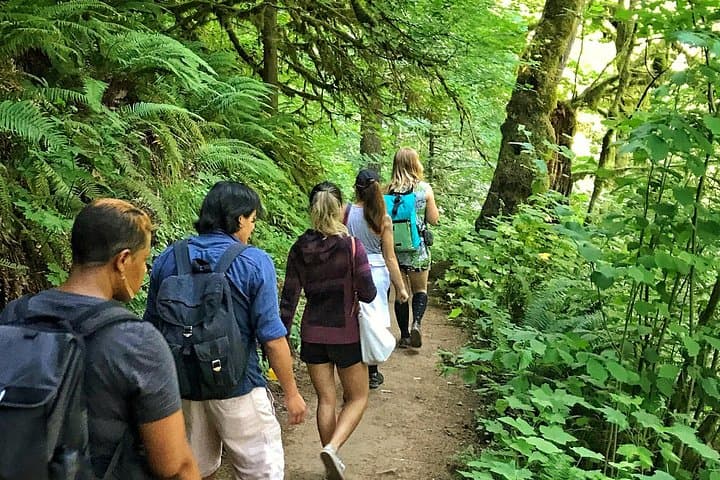
Lose the city for a few hours without leaving it: this 5-mile, 900-foot-gain Forest Park loop threads old-growth pockets, city viewpoints, and cultural landmarks for a compact taste of Portland’s wild side. Expect moss, roots, and stories.