
What the day feels like
Morning comes soft to Sarasota Bay. The water stretches out like polished glass, then stirs as if reminded of its job. A pelican throws a slow-motion dive. Mangroves breathe in briny air. And somewhere under the surface, resident bottlenose dolphins roll awake, their exhale a quick hush that the bay happily keeps secret—until your captain points and the day opens wide.
This is the Private Two Hour Dolphin Tour, a crowd-pleasing, camera-happy ride out of Bradenton Beach Marina on Anna Maria Island—a thoughtful way to earn a front-row seat to the Gulf Coast’s daily rhythm. It’s private, so the deck is yours: families with small kids, multigenerational groups, friends ready to trade beach chairs for binoculars. If you’re looking to secure your spot, you can learn more and connect with local experts through this page: <a href="https://app.advcollective.com/local-experts/private-two-hour-dolphin-tour" target="_blank" rel="noopener">Private Two Hour Dolphin Tour</a>.
The crew knows these waters intimately. Sarasota Bay is a cradle of life, part saltwater, part freshwater, all pulse. The dolphins here aren’t migratory drifters; they’re lifers, woven into the shoals and sandbars, the ebb and flow of the Intracoastal Waterway. Their residency isn’t lore. For over five decades, the Sarasota Dolphin Research Program has quietly documented the longest-running study of wild dolphins on the planet, identifying individuals and family lines much the way a small town might track generations. Out here, the bay doesn’t just host dolphins—it mentors them.
Your boat idles past Bradenton Beach’s back side—the working side—where Church Avenue ends and the marina begins. In minutes the skyline is mangroves and osprey nests. The water—blue-green with crushed-quartz clarity—holds a patchwork of seagrass meadows and sandy halos that can flicker with stingrays, needlefish, and the random skitter of mullet. The current nudges you toward open pockets where the dolphins like to play. The bay urges you forward, then rests, as if timing the day for your arrival.
Expect a tour that blends gentle motion with richer context. Guides point out the outline of historic Cortez, one of Florida’s last working Gulf Coast fishing villages; its modest fish houses and timbered docks speak to a century of net mending and early mornings. They’ll talk tide, wind, and water clarity, and why this estuary functions like a nursery for everything from juvenile snook to the occasional manatee floating through like a gray blimp on island time. They’ll give the dolphins space—50 yards is the gold standard—because this is their living room and the etiquette matters.
When the dolphins arrive, it feels like an introduction, not a show. A dorsal fin arcs; a mother surfaces with a calf; a pair of adolescents draft the boat’s wake, daring the prop wash to a race. The bay grins. The current eggs them on. And you, who came to see them, feel seen by a place that clearly knows how to welcome guests.
On a private charter, the pace is yours. Want to linger by a rookery to watch pelicans preen and snowy egrets posture? Curious about the quartz sand that powders Anna Maria’s beaches whiter than sugar? The story traces back to ancient Appalachian rock weathering into silica that drifted down rivers to settle here; it’s what makes the water glow a shade of mint that your camera will struggle to replicate. With fewer people onboard, questions travel easily from bow to stern, and the captain can trim the route to suit your curiosity and conditions of the day.
Practicalities anchor the experience. The tour runs two hours—enough time to meander past sandbars and mangroves, learn the lay of Sarasota Bay, and capture a dozen good frames of dorsal fins without rushing. Traffic over the Cortez Bridge can snarl midday in peak season (January to April), so aim for an early departure. Seating is shaded and comfortable, but the sun still throws its weight around. Bring reef-safe sunscreen, polarized sunglasses, and a light layer; the breeze can rise when the boat does.
You don’t need sea legs to enjoy this ride; motion is generally mild inside the bay. Kids typically settle into the hunt quickly, calling out fins and feeding frenzies, learning to spot the subtle ripple that hints at something about to break the surface. For many families, it becomes a highlight of the week—the shared thrill of seeing wildlife at eye level, on its terms.
There’s also the quiet pleasure of perspective. Island life is easy to love for its beaches and pastel cottages, but from the water the narrative expands: working skiffs sneaking out at first light, kayakers sliding between mangroves, the sparkle line where the Gulf shoulders the bay. The dolphins tie it together—ambassadors that turn an ordinary morning into a story you’ll bring home. If this sounds like your speed, get the full overview and booking details here: <a href="https://app.advcollective.com/local-experts/private-two-hour-dolphin-tour" target="_blank" rel="noopener">Anna Maria Island dolphin tour</a>.
By the time you glide back into the marina, the day will have changed. The sun stands taller, the breeze threads the rigging, and lunch plans suddenly include local seafood. The bay exhale is softer now, like it’s settling back into its routine. The dolphins are still out there, weaving lines under the surface, writing their own logbook. And for a couple of hours, you got to read along. If you’re ready to make it happen, this resource is a great place to start: <a href="https://app.advcollective.com/local-experts/private-two-hour-dolphin-tour" target="_blank" rel="noopener">Bradenton Beach Marina dolphin tour</a>.
Trail wisdom
Small choices, better day.
Go early for calmer water
Morning departures typically offer gentler wind and better visibility for spotting dorsal fins and seabirds.
Use polarized lenses
Polarized sunglasses cut surface glare so you can see into the shallows and catch more wildlife action.
Respect the 50-yard rule
Keep a respectful distance from dolphins and manatees—your captain will model best practices for wildlife viewing.
Plan for Cortez Road traffic
In peak season (Jan–Apr), the bridge and approach can back up 10 a.m.–2 p.m. Leave extra time for parking and check-in.
Local knowledge
Read the place, not just the route.
Watch for native species including Atlantic bottlenose dolphin, West Indian manatee.
Keep an eye out for wildlife during the transition between areas and habitats. Respect distance guidelines.
Follow NOAA guidelines by keeping 50 yards from marine mammals, use reef-safe sunscreen, and never feed or attempt to touch wildlife; Sarasota Bay’s seagrass meadows and nurseries depend on respectful visitation.
Follow the guide's instructions on size limits, ethical handling, and leave-no-trace practices.
Leffis Key Preserve: a short boardwalk loop with bay overlooks and mangrove tunnels just south of the marina. Cortez Fishing Village back docks: watch commercial boats unload and grab fresh-caught seafood from dockside markets
Locally recommended viewpoints and quiet spots known best to local operators.
Cortez, founded in the late 1800s by North Carolina fishermen, remains one of Florida’s last traditional working fishing villages and anchors the cultural identity of this coastline.
Maritime roots and regional tradition shape the waterways and working coasts.
Seasonal guide
Four versions of the same landscape.
Spring
Best forMilder temperatures · Clearer water
ChallengesHigh visitor demand · Occasional windy afternoons
Spring brings comfortable temps and excellent visibility—prime time for spotting wildlife and enjoying smooth bay conditions.
Summer
Best forWarm water · Active marine life
ChallengesStrong sun and heat · Afternoon thunderstorms
Expect hot, bright days and pop-up storms; morning tours are best to beat the heat and wind.
Fall
Best forLighter crowds · Pleasant weather
ChallengesVariable rain patterns · Hurricane season early in fall
Shoulder-season calm returns with warm water and softer light for photography.
Winter
Best forCooler air · Crisp visibility
ChallengesChillier breezes on the water · Peak traffic around holidays
Clear air and gentle seas are common; pack a light layer for the ride.
Pack with intention
What to bring.
Good to know
Common questions.
Wildlife is unpredictable, but Sarasota Bay’s resident bottlenose dolphins are frequently seen year-round. The crew knows common hotspots and behaviors to improve your chances.
Plan the edges
The details that make the day easier.
Sarasota Bay hosts the world’s longest-running study of wild bottlenose dolphins, led by the Sarasota Dolphin Research Program since 1970.
After docking, head a mile across the bridge to the Star Fish Company in Cortez for blackened grouper and hushpuppies at picnic tables overlooking the working docks. Prefer to stay island-side? Anna Maria Oyster Bar on the Bridge Street Pier delivers sunset views, peel-and-eat shrimp, and a low-key locals’ vibe. For a post-tour pint, Tide Tables offers waterfront taps and fresh ceviche within sight of passing trawlers.
- Closest airport
- Sarasota–Bradenton International (SRQ), ~14 miles. Departure: Bradenton Beach Marina, Church Avenue. Drive time: ~25–35 minutes from SRQ depending on traffic. Cell service: Generally reliable on the bay. Permits: None required for passengers; arrive 20 minutes early for check-in and boarding.
Sarasota Bay’s seagrass meadows fuel the entire food web. Skip chemical sunscreens, pack out all trash, keep a respectful distance from wildlife, and let captains set the pace and proximity for sightings.
Explore by topic
Follow the threads.
Keep exploring
Make the story part of the trip.
In four hours you can move from shaded canyon ferns to wind-scoured coastal ridgelines, guided by someone who knows where the light—and the hidden views—live. This private half-day hike on the Monterey Peninsula or Big Sur is compact, curated, and perfect for travelers who want depth without a multiday commitment.
 Related story
Beneath a sky of shifting light, Skaftafell’s ice reads like a map of time. This three-hour guided glacier hike mixes technical instruction with geology and culture: compact, safe, and unforgettable.
 Related story
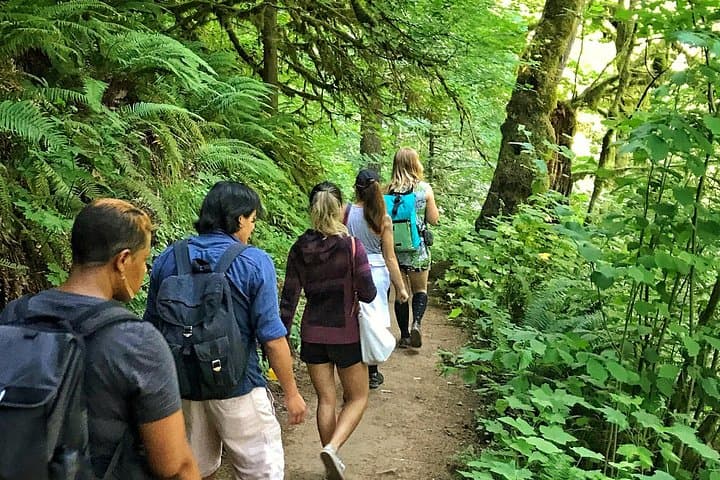
Lose the city for a few hours without leaving it: this 5-mile, 900-foot-gain Forest Park loop threads old-growth pockets, city viewpoints, and cultural landmarks for a compact taste of Portland’s wild side. Expect moss, roots, and stories.