
What the day feels like
The snow hushes everything the moment you step into Castle Creek Valley. The creek moves under its glassy lid, shouldering along like an old friend with stories to tell, while the aspen groves stand attentive, pale trunks banded with charcoal scars. A Naturalist from the Aspen Center for Environmental Studies raises a gloved hand, and the small group settles into the rhythm of winter—soft steps, slow breaths, the white-country quiet that makes you feel like you’ve just walked into your own private national park.
This is the Aspen Center for Environmental Studies Snowshoe Private Tour, a half-day wander through the historic Ashcroft ghost town and the spruce-fir forests that cradle it. It feels intimate and grounded, not a conquest but a conversation with the valley. Tracks spool across the meadows: the tidy prints of snowshoe hare, the purposeful stitch of a fox line. Your guide kneels to read the night’s news in the snow, translating the hieroglyphics of winter survival—where a pine marten hunted, which tree a chickadee chose for shelter, how the corridor of Castle Creek becomes a lifeline when the mercury drops.
The route is a gentle 3.5 miles, paced to let the landscape speak. At roughly 9,500 feet, the air is crisp and clean; you feel it in your lungs, but the grade is kind. The ghost town emerges like a film set dusted with powdered sugar—the weathered saloon, cabins softened by drifts, the sense that the mountains kept more than they gave in the silver rush days. Your guide threads in geology and local lore: how Ice Age glaciers carved this U-shaped valley, how avalanches still sculpt its slopes, and how the boom-and-bust of Ashcroft is etched into every hand-hewn log.
Winter brings a clarity that can border on austere, but here it’s welcoming. The trail winds on toward Pine Creek Cookhouse, where a gourmet lunch awaits on Wednesdays through Sundays. You pass under spruce boughs that shrug off their snow in muffled puffs, past a meadow where the wind claps you on the shoulder and says keep moving. Lunch in this landscape is not just a meal; it’s a hand-warming, soul-lifting interlude with views that stretch out like a promise. On a private tour, your guide syncs the pace to the group, so the day stretches or quickens with your energy.
Beyond the romance of the scene, there’s substance. This is not a sufferfest. It’s an accessible adventure engineered for learning, where a Naturalist’s insight turns every bend into a lesson on subalpine ecology, birdlife, and avalanche awareness. It’s the kind of outing that works for families and friend groups alike, the kind that leaves you better tuned to mountain winter. If you want to go deeper—connect with vetted Aspen guides and local naturalists—start with these <a href="https://app.advcollective.com/local-experts/undefined">local experts</a> who know the valley by heart.
Practicality is part of the appeal. Tours depart daily at 10:00 a.m. from the King Cabin at the Ashcroft Ski Touring Center, about 11 miles up Castle Creek Road from Aspen’s main roundabout. The cost—$500 per private tour for up to eight guests—covers your guided experience; plan on an additional splurge if lunch at Pine Creek Cookhouse is on your list. Expect about four hours round-trip, with plenty of stops for wildlife signs, views down-valley toward the Elk Mountains, and warm sips from a thermos. Bring water, sunscreen (winter sun at altitude bites), and layering pieces. The snow may be soft as cake in the meadows but can crust firm and squeaky in the shadows; your guide keeps you on terrain that’s friendly, scenic, and safe.
As you loop back toward Ashcroft, the afternoon light pours over the valley and turns the aspens a faint, improbable gold. The wind picks up, nudging you along; Castle Creek dares you to come back in spring, when the banks break and the water hustles by in a bright rush. But winter holds its ground, steady and sure. On the final stretch, the ghost town watches you pass, a reminder that this valley has always demanded patience and rewarded presence.
For planning, remember that winter in Aspen can swing from bluebird to flurries fast. Good boots, proper layers, and a sense of flexibility keep this tour squarely in the sweet spot—achievable yet adventurous. If you’re building an itinerary around a few days in town, lean on <a href="https://app.advcollective.com/local-experts/undefined">Aspen’s knowledgeable guides</a> to pair this snowshoe with a Nordic morning or a museum visit. And if you crave more context—ecology, history, geology—book the Naturalist-led option; they’re the kind of <a href="https://app.advcollective.com/local-experts/undefined">local experts</a> who make landscapes feel legible.
What you’ll remember is the way the valley speaks. The aspens whisper against the sky; the creek shoulders forward; the snow absorbs your footfalls and hands them back as steady, confident strides. Ashcroft doesn’t just show you winter—it invites you into it, one quiet step at a time.
Trail wisdom
Small choices, better day.
Layer Like a Local
Start cool; you’ll warm up fast on the climb out of Ashcroft. Bring a breathable midlayer and a windproof shell for exposed meadows.
Hydrate at Altitude
At ~9,500–10,000 feet, dehydration sneaks up on you. Carry at least 1 liter of water per person—even in cold weather.
Sun Smart in Winter
Snow reflects UV. Wear sunscreen, lip balm with SPF, and polarized sunglasses to cut glare.
Footing Matters
Waterproof, insulated boots with ankle support make snowshoe travel more comfortable on uneven or crusty sections.
Local knowledge
Read the place, not just the route.
Watch for native species including Snowshoe hare, Red fox.
Keep an eye out for wildlife during the transition between areas and habitats. Respect distance guidelines.
You’re traveling within the White River National Forest where wintering wildlife is sensitive to disturbance. Stay on guided routes, keep voices low near meadows, and pack out all waste.
Follow the guide's instructions on size limits, ethical handling, and leave-no-trace practices.
A quick detour to the Ashcroft schoolhouse ruins for a window into frontier life. The open meadow just south of Pine Creek Cookhouse for Elk Mountain views
Locally recommended viewpoints and quiet spots known best to local operators.
Ashcroft boomed in the 1880s silver rush, then faded by the early 20th century; its preserved buildings are listed on the National Register of Historic Places.
Maritime roots and regional tradition shape the waterways and working coasts.
Seasonal guide
Four versions of the same landscape.
Spring
Best forQuiet shoulder-season solitude · Melting-snow creek views
ChallengesVariable snowpack · Icy mornings and muddy afternoons
Early spring can still feel wintry at Ashcroft. Expect freeze–thaw cycles and mixed surfaces; some tours may shift to hiking or Nordic depending on conditions.
Summer
Best forWildflower meadows · Clear, long daylight
ChallengesAfternoon thunderstorms · Mosquitoes near water
Summer opens the valley to hikers and bikers. This specific guided snowshoe is seasonal, but the area remains a scenic hub with strong sun exposure.
Fall
Best forAspen foliage · Cooler temperatures
ChallengesEarly snowfalls · Shortening daylight
Autumn brings golden aspen stands and crisp air. Snowshoe tours generally resume when consistent snow returns, often late fall into early winter.
Winter
Best forConsistent snowshoeing · Wildlife tracking in fresh snow
ChallengesCold temps and wind · Snowstorms affecting visibility
Prime season for this tour. Expect packed or fresh snow, bright sun, and occasional storms—dress in layers and follow guide advice.
Pack with intention
What to bring.
Good to know
Common questions.
It’s approximately 3.5 miles round-trip on gentle terrain at a leisurely pace. Most active travelers with basic fitness can enjoy it.
Plan the edges
The details that make the day easier.
Ashcroft Ghost Town sits around 9,500 feet in the White River National Forest and is listed on the National Register of Historic Places for its 1880s silver-mining heritage.
Cap your tour with a lingering lunch at Pine Creek Cookhouse—game dishes, hearty soups, and valley views are the draw. Back in Aspen, warm up with a pint at Aspen Brewing Company or a casual bite at White House Tavern. For a culture fix, swing by the Aspen Historical Society to connect the dots from Ashcroft’s boomtown days to modern mountain life.
- Closest airport
- Aspen
- Pitkin County (ASE). Trailhead
- King Cabin, Ashcroft Ski Touring Center (approx. 25–30 minutes, 11 miles up Castle Creek Road from Aspen). Cell service: Spotty to none in the valley—download directions. Permits: None required for the guided tour; advance booking recommended. Parking: Limited—carpool if possible.
Winter is a stressful time for wildlife—avoid approaching animals, stick to established routes, and minimize noise. Pack out all trash and food waste, and use reusable bottles and containers to cut down on disposables.
Explore by topic
Follow the threads.
Keep exploring
Make the story part of the trip.
In four hours you can move from shaded canyon ferns to wind-scoured coastal ridgelines, guided by someone who knows where the light—and the hidden views—live. This private half-day hike on the Monterey Peninsula or Big Sur is compact, curated, and perfect for travelers who want depth without a multiday commitment.
 Related story
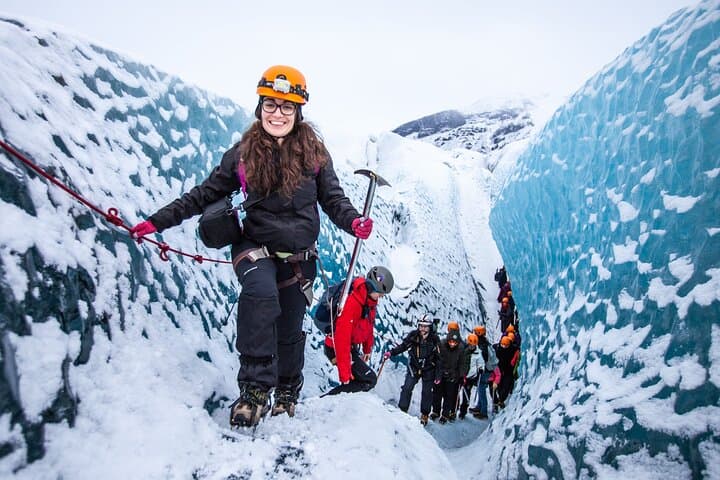
Beneath a sky of shifting light, Skaftafell’s ice reads like a map of time. This three-hour guided glacier hike mixes technical instruction with geology and culture: compact, safe, and unforgettable.
 Related story
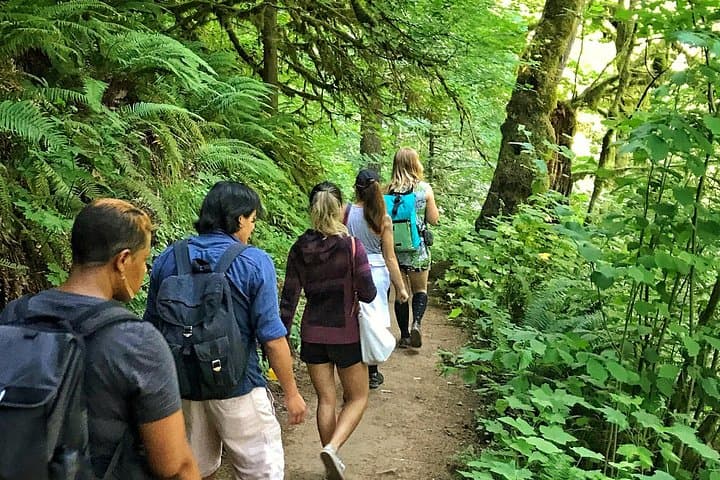
Lose the city for a few hours without leaving it: this 5-mile, 900-foot-gain Forest Park loop threads old-growth pockets, city viewpoints, and cultural landmarks for a compact taste of Portland’s wild side. Expect moss, roots, and stories.