
What the day feels like
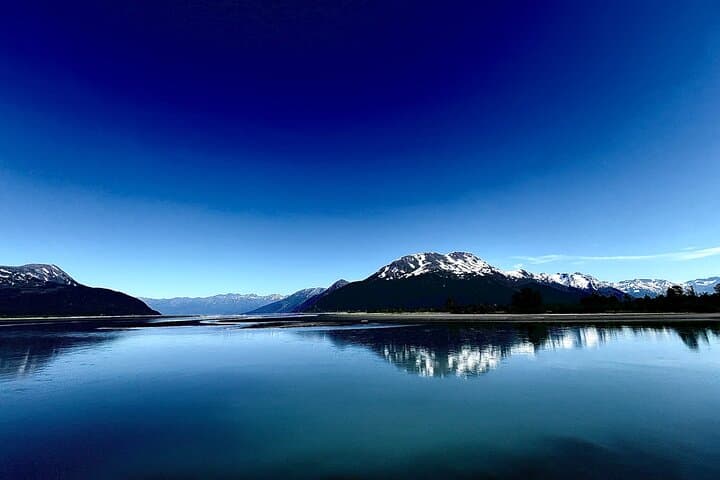
Turnagain Arm unfurls like a silver ribbon beside you, the tide pushing forward with a quiet insistence that feels personal. The Chugach Mountains move in, steep and confessional, shouldering the sky. Ravens patrol the light poles. The day is yours to shape—a private, flexible road trip that folds Anchorage’s greatest hits and under-the-radar detours into a choose-your-own route along one of the most dramatic drives in North America.
It begins with a decision, and in Alaska, decisions are usually made by the weather. Gray morning? Start slow at Potter Marsh, where the boardwalk floats above cattails, and the marsh chatter—yellowlegs, shoveler ducks, and the odds-on bald eagle—sets the tone. The water is busy, and it makes no attempt to hide it. The marsh dares you to linger, to notice how the wind braids ripples across the shallows. If the day opens up, you point south.
The Seward Highway hangs to the edge of Turnagain Arm, a National Scenic Byway that never stops negotiating with the tides. When the bore tide is running—a single, muscular wave driven by one of the world’s largest tidal swings—you can see it bulldoze inland, surfers and pack-rafts stealing its shoulder. Dall sheep post up high on the rock faces, white punctuation marks in the gray. Beluga Point earns its name late summer into fall, when white whales sometimes ghost the water on the flood tide, teasing the shoreline. The land feels alert, as if everything is watching you back.
You choose the kind of day you want. Maybe it’s a ride up the Alyeska Aerial Tram in Girdwood, a minute-and-a-half ascent that erases 2,300 vertical feet in a smooth swoop. The tram flirts with the mountain, lifting you into cooler air and wider views of glaciated bowls. On clear afternoons, Turnagain Arm lies like a map at your feet. Step off at the top and walk the short ridge trails, watch paragliders foot-launch into the void, then sink into a cup of chowder with a window seat on the sky.
Or make it a wildlife-forward day. The Alaska Wildlife Conservation Center, set in a valley cupped by peaks and glaciers, feels like a field notebook brought to life. Brown bears shoulder past alder thickets, wood bison churn the meadow, and porcupines regard you with a slow blink. This is a place where Alaska’s heavyweights get second chances; you witness the work that keeps wildness intact, even when it needs a little help.
If your curiosity leans coastal, thread Portage Valley to Whittier through the Anton Anderson Memorial Tunnel, North America’s longest combined rail-highway bore—a 2.5-mile, single-lane wormhole that alternates traffic on a timetable. Whittier is a town born from wartime logistics and stubborn weather; the mountains keep their hands on it year-round. On bluebird days, the Prince William Sound light pours in like a promise. On storm days, the wind sculpts the narrative. Either way, it’s a good story.
History rides shotgun on this route. Anchorage began as a railroad construction camp in 1915; the line unlocked the port, the port fed the city, and the city became Alaska’s hub. Turnagain Arm got its second-chance name from Captain Cook, who sailed in looking for a Northwest Passage and found only a stubborn coastline and a tidal trap that made him—yes—turn again. Today, the Arm still asserts itself, flexing mudflats and a tide that can swing 30-plus feet, reminding you that schedules mean less here than patience and observation.
Geology keeps score. The 1964 Good Friday Earthquake, a 9.2 rattling that remains the strongest recorded in North America, dropped sections of shoreline and rearranged the valley floor. Boardwalks and viewpoints are quiet markers of what moved and what didn’t. The mountains push up, the glaciers grind down, and the road rides the seam between them.
What makes this day sing is its elasticity. You can layer a city orientation—Ship Creek’s salmon run, the Tony Knowles Coastal Trail, a quick bakery stop on 4th Avenue—before rolling south to meet the mountains. Or you slot a short hike into the schedule: Winner Creek Gorge with its rushing teal water and wood bridges; Bird Ridge’s lower viewpoints for a casual fix of elevation. Your guide keeps up a steady narration of local lore and logistics without hogging the view.
By late afternoon, the light slants and the Arm shows its mood. The wind pushes off the water, the tide turns, and you lean into the last choice: one more turnout, or a straight shot back to Anchorage for dinner. Either is correct. The day holds because you built it.
Practicalities matter here. Weather changes fast; carry layers. Good walking shoes make boardwalks and pullouts easier to linger on. If you’re tunnel-bound, your guide times the crossing; if you’re chasing the bore tide, you’ll want tide tables aligned with your window. Wildlife sightings are gifts, not guarantees; binoculars are leverage. This trip is less about ticking boxes and more about reading the landscape in real time—and letting it read you back.
In the end, Alaska is a partner, not a backdrop. The marsh mouthes your footsteps. The tram floats you into thinner, cooler air that tastes faintly of snow even in July. The currents flip the script every few hours. Turnagain Arm doesn’t just sit there—it moves the day along, nudging you from one choice to the next until you’ve built something that feels personal and, somehow, necessary. That’s the promise of a choose-your-own-adventure: not chaos, but a well-guided freedom in a place that rewards curiosity.
Trail wisdom
Small choices, better day.
Watch the Bore Tide
Check tide tables for Turnagain Arm; a strong bore tide can arrive fast and surprise shoreline walkers. Stay off the mudflats—they act like quicksand.
Dress in Modular Layers
Weather swings from coastal wind to alpine chill on the Alyeska Tram—pack a base layer, insulating mid-layer, and a windproof shell.
Binoculars Boost Sightings
Dall sheep and eagles often hold their distance; a compact 8x binocular makes wildlife viewing far more rewarding.
Time the Whittier Tunnel
The Anton Anderson Tunnel operates on a strict alternating schedule; missing a window can add up to 30 minutes of waiting.
Local knowledge
Read the place, not just the route.
Watch for native species including Dall sheep, Bald eagle.
Keep an eye out for wildlife during the transition between areas and habitats. Respect distance guidelines.
At the Alaska Wildlife Conservation Center, rescued animals receive long-term care and rehabilitation; visitor fees support habitat and species conservation. Stay on boardwalks at Potter Marsh to protect nesting birds and fragile wetlands.
Follow the guide's instructions on size limits, ethical handling, and leave-no-trace practices.
Bird Point turnout’s sweeping Arm views and reliable Dall sheep sightings. Portage Valley’s pullouts for glacier reflections and short, quiet walks
Locally recommended viewpoints and quiet spots known best to local operators.
Turnagain Arm was named by Captain James Cook after repeated failed attempts to find a Northwest Passage here in 1778. Anchorage grew from a 1915 railroad work camp into Alaska’s largest city and travel hub.
Maritime roots and regional tradition shape the waterways and working coasts.
Seasonal guide
Four versions of the same landscape.
Spring
Best forMigratory bird watching at Potter Marsh · Snow-draped mountain views
ChallengesUnpredictable rain/snow mix · Icy pullouts early season
April–May brings returning birds and big snowpack on the peaks. Expect cool temps and fast-changing weather along Turnagain Arm.
Summer
Best forAlyeska Tram rides and ridge walks · Long daylight for flexible itineraries
ChallengesCrowds at popular turnouts · Glare and heat on calm days
June–August means endless light, lush valleys, and peak roadside wildlife activity. Book ahead for tram and allow time for traffic.
Fall
Best forChance beluga sightings · Gold-color foliage in September
ChallengesShortening daylight · Increased wind along the Arm
September turns the hillsides to amber and can bring belugas chasing salmon on flood tides. Layers and wind protection are key.
Winter
Best forSnowy mountain drama · Quiet roads and wildlife tracking
ChallengesIcy conditions · Limited daylight and cold
December–March offers stark beauty and far fewer people. Roads can be slick; check conditions and be ready for subfreezing temps.
Operator details
What the booking data adds.
Included
- ✓Bottled water
Not included
- —Gratuities
- —Wildlife Conservation Center, Tram, Whittier Tunnel
Good to know
- ✓Service animals allowed
- ✓Public transportation options are available nearby
- ✓Suitable for all physical fitness levels
Pack with intention
What to bring.
Good to know
Common questions.
Yes—this private tour is designed to be flexible. Discuss priorities with your guide at pickup and adjust based on weather, tides, and traffic.
Plan the edges
The details that make the day easier.
The Anton Anderson Memorial Tunnel to Whittier is North America’s longest combined rail and highway tunnel, stretching 2.5 miles through Maynard Mountain.
Celebrate the day back in Anchorage with pizza and a pint at Moose’s Tooth Pub & Pizzeria, or try local seafood at Glacier Brewhouse. If you end in Girdwood, Double Musky Inn is a Cajun-Alaskan institution—arrive early. Coffee people should detour to The Bake Shop near the Alyeska Tram for soup, sweet rolls, and trail gossip.
- Closest airport
- Ted Stevens Anchorage International (ANC). Start
- finish
- Anchorage. Drive times: Anchorage–Girdwood ~45–60 minutes; Girdwood–Portage
- Whittier ~30 minutes (plus tunnel schedule). Cell service
- Generally good near Anchorage and Girdwood; patchy along Turnagain Arm and Portage Valley. Permits
- passes
- None required for the drive; expect a toll
Turnagain Arm’s mudflats and marshes are critical bird habitat—stay on boardwalks and pullouts, pack out all trash, and give wildlife generous space. Support conservation by visiting the Alaska Wildlife Conservation Center, which rehabilitates and protects native species.
Explore by topic
Follow the threads.
Keep exploring
Make the story part of the trip.
In four hours you can move from shaded canyon ferns to wind-scoured coastal ridgelines, guided by someone who knows where the light—and the hidden views—live. This private half-day hike on the Monterey Peninsula or Big Sur is compact, curated, and perfect for travelers who want depth without a multiday commitment.
 Related story
Beneath a sky of shifting light, Skaftafell’s ice reads like a map of time. This three-hour guided glacier hike mixes technical instruction with geology and culture: compact, safe, and unforgettable.
 Related story
Lose the city for a few hours without leaving it: this 5-mile, 900-foot-gain Forest Park loop threads old-growth pockets, city viewpoints, and cultural landmarks for a compact taste of Portland’s wild side. Expect moss, roots, and stories.