
What the day feels like
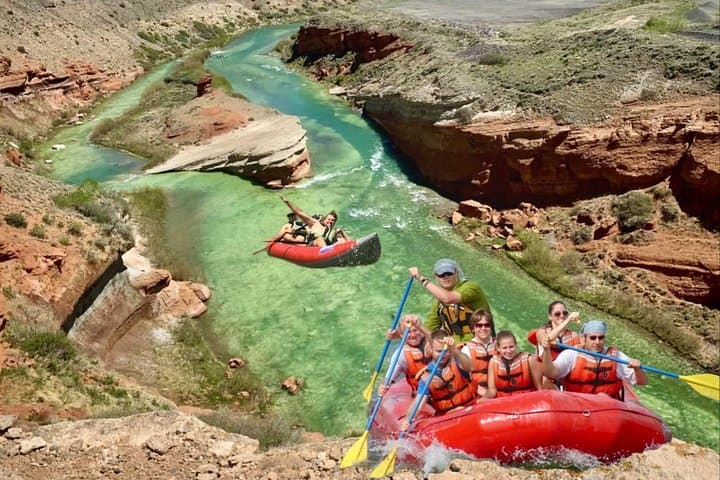
By mid‑afternoon the Shoshone has warmed and the canyon loosens its morning hush. You step off the riverbank near downtown Cody, pull on a snug lifejacket and let the guide—part storyteller, part safety officer—count you into a raft that will ride seven miles of river in roughly two hours. The Shoshone doesn’t roar for long stretches; it teases. Ripples gather and then the current opens into a playful, churning sentence that dares you to keep up. Rapids like Little Big Drop and Colters Falls are short, concentrated, and family‑friendly: the kind that jump your stomach and make you laugh instead of panic.
This is not a wilderness expedition so much as an intimate canyon conversation. The walls here are volcanic and sedimentary, layered evidence of the Absaroka Range’s volcanic past and the river’s erosive patience. You float beneath highs of orange rock and stands of cottonwood, and your guide tosses in a tale about John Colter’s solitary years in this country, about Jim Bridger’s fur‑trapper routes and Buffalo Bill Cody’s later civic imagination—how Cody built the Irma Hotel a block from where you met. History arrives in quick vignettes between sets of rapids, and it sticks: the river was a travel corridor long before it became a recreational highlight.
Geologically the Shoshone is a busy teacher. The canyon narrows after each bend because of harder bedrock; in other spots softer layers yield to plunge pools. In spring the flows are generous—wild and glinting—fed by snowmelt from the Absaroka crest. By late summer the river is lower, exposing beaches of cobble that guides use for quick stops: a chance to admire riparian plants, search for track lines of elk and deer, or spot raptors riding thermals along the cliff edges.
Cody is both gateway and character. Founded by Buffalo Bill at the turn of the 20th century as a base for tourism into Yellowstone, the town has a small‑town western feel with a roster of museums, local craft brews and family eateries that make a post‑trip beer and burger feel earned. The Irma’s porch will remind you why the West began selling itself as a place of story and spectacle.
On the practical side: the trip is 7 miles and about two hours on the water, meeting downtown at 2:45 p.m. and back around 5:00 p.m. Operators run this as a family‑friendly run—no previous rafting experience required. Guides handle paddling commands, safety briefings, and the occasional interpretive aside about buffalo and the mountain men who passed through these valleys. The trip price starts from around $59; with instant confirmation and free cancellation policies common to operators, it’s an easy afternoon booking during summer.
Still, river travel asks for simple preparedness. Wear quick‑dry clothes, bring a sun hat or cap that can be secured, and leave heavy jewelry or electronics in downtown lockers or your vehicle. Expect intermittent cell service once the river squeezes through the canyon; that’s part of the appeal. Wildlife sightings are common—bald eagles and bighorn sheep are frequent, while elk and mule deer graze the riparian edges. Respect their space and let your guide handle close encounters.
The trip is a compact, reliable way to feel the Shoshone’s pulse: an accessible whitewater jolt without the logistics of a multi‑day expedition. It’s perfect for families with older children, couples who want a lively afternoon, or anyone who wants to connect a few hours of active outdoor time to Cody’s wider lineup of cultural experiences. If you go mid‑afternoon you get softer light for photos and gentler daytime traffic on the river. And if you stay in town afterward, the dinner and museum options make for a full, local evening that keeps the river story going long after you’ve changed out of your shoes.
Trail wisdom
Small choices, better day.
Wear quick‑dry layers
Temperatures shift in the canyon; moisture‑wicking layers keep you comfortable when the spray hits.
Secure small items
Bring a small dry bag or leave phones and keys in your vehicle—rafts can flip and pockets leak.
Listen to your guide
Guides give simple paddle commands and safety cues—following them keeps the run fun and safe.
Time for photos
Bring a wrist‑strapped camera or use a waterproof phone case; best light is late afternoon when the canyon warms to amber.
Local knowledge
Read the place, not just the route.
Watch for native species including Bald eagle, Bighorn sheep.
Keep an eye out for wildlife during the transition between areas and habitats. Respect distance guidelines.
The river corridor runs through public land with sensitive riparian habitat; stick to designated take‑out beaches, avoid trampling vegetation and pack out all trash.
Follow the guide's instructions on size limits, ethical handling, and leave-no-trace practices.
Scout’s Rest Ranch (Buffalo Bill’s homestead and museum) for a short cultural detour. Little pull‑outs along Highway 14/16/20 for vantage views of the Shoshone canyon walls
Locally recommended viewpoints and quiet spots known best to local operators.
Cody grew around the persona of Buffalo Bill—he opened the Irma Hotel in 1902 and promoted access to Yellowstone, shaping the town’s tourism legacy.
Maritime roots and regional tradition shape the waterways and working coasts.
Seasonal guide
Four versions of the same landscape.
Spring
Best forHigh flows · Wildflower bloom · Birdwatching
ChallengesColder water temperatures · Higher, swifter currents
Spring brings snowmelt and livelier rapids—expect faster flows and colder spray; guides adjust lines accordingly.
Summer
Best forWarm afternoons · Family outings · Post‑trip dining in Cody
ChallengesLower water levels late season · Stronger sun exposure
Summer is peak season for easy scheduling and warm weather; sun protection is essential and flows can drop by late August.
Fall
Best forCrisp air · Fall colors · Fewer crowds
ChallengesColder mornings and evenings · Shorter daylight
Fall gives clear light and colorful cottonwoods; plan warmer layers and earlier meeting times as days shorten.
Winter
Best forScenic quiet on the frozen riverbanks · Off‑season research trips
ChallengesTrip typically not offered · Icy conditions and river lows
Rafting operations largely pause; winter is for planning and enjoying Cody’s museums rather than river runs.
Pack with intention
What to bring.
Good to know
Common questions.
Yes—this is marketed as family friendly. Children should be comfortable in a lifejacket and able to follow guide directions; operators often set a minimum age—check at booking.
Plan the edges
The details that make the day easier.
The Irma Hotel in downtown Cody was opened by Buffalo Bill in 1902 and named for his daughter Irma; it remains a local landmark.
After the trip grab dinner at the Irma’s dining room for history and hearty fare or head to RoughStock Brewing Company for a local beer; extend the evening with a visit to the Buffalo Bill Center of the West or the Cody Nite Rodeo (summer).
- Closest airport
- Yellowstone Regional Airport (COD) in Cody; Meet: downtown Cody next to Irma Hotel (0–5 min from most Cody hotels); Driving distance: meets in town—no additional shuttle required; Cell service: reliable in town, intermittent in canyon; Permits: none required for guided commercial trips—book with operator.
This river corridor is ecologically sensitive—pack out everything, stay off fragile riverbanks, and use reef‑safe sunscreen to protect aquatic life.
Explore by topic
Follow the threads.
Keep exploring
Make the story part of the trip.
Set out from Bass Harbor for a private, customizable day on Blue Hill Bay — lighthouses, puffins, seals, and the chance to feel Acadia from the water. Small groups, local captains, unforgettable views.
In four hours you can move from shaded canyon ferns to wind-scoured coastal ridgelines, guided by someone who knows where the light—and the hidden views—live. This private half-day hike on the Monterey Peninsula or Big Sur is compact, curated, and perfect for travelers who want depth without a multiday commitment.
 Related story
Beneath a sky of shifting light, Skaftafell’s ice reads like a map of time. This three-hour guided glacier hike mixes technical instruction with geology and culture: compact, safe, and unforgettable.