
What the day feels like
The lamps along Church Street burn low, pooling a dim gold on brick and brick again, and the oaks lean in as if they, too, want to hear the story. Somewhere beyond the rooftops, the harbor breathes against the seawall, a slow tide that makes the whole city seem alive. On a one-hour Ghost Tour in Charleston, you don’t just walk through history—you listen to it. Cobblestones mutter underfoot. Shuttered windows watch. And the guide—part historian, part storyteller—threads a line through time with the names and dates that built this city and the rumors that refuse to die.
Charleston has an easy kind of drama at night. The pastel facades mute to slate. The flagstones hold a day’s heat that slips out beneath your steps. Families cluster in small, curious knots; couples drift along the edges of shadow. This is the Holy City, a place of soaring steeples and careful manners, but after dark the stories tilt—pirates jailed beneath the Old Exchange, theatergoers who never took their bow at the Dock Street Theatre, alleys that whistle when there’s no wind at all. The hour moves quickly, an economy of suspense that favors well-kept facts and the stubborn unknown. Even if you’re a skeptic, the setting does some of the heavy lifting. Streets this old have memory.
Charleston’s past is long and layered. Founded in 1670, it grew rich on trade, endured fire and siege, endured again. The city’s bones—tabby foundations, old brick, live oaks girdled in Spanish moss—carry that weight, and you feel it as the tour slips from the bright hum of the City Market into quieter blocks where gaslights preside and the night birds keep their watch. Depending on your guide and the route, you may stand near centuries-old churchyards along Meeting or Church Street, pause outside the Old Exchange and Provost Dungeon, or pass the glowing marquee of the Dock Street Theatre. None of it is kitsch when presented straight: the history anchors the hauntings, the hauntings animate the history.
This is a walking tour with a narrative spine, paced like good radio—beats, breaths, reveals. The guide knows when to let the silence work and when to drop a line that lands with a neat shiver. The best ones read the crowd and calibrate the scare. Families will appreciate that it’s more eerie than gruesome. Seasoned travelers will appreciate the specificity: dates, names, archival photographs sometimes pulled from a satchel, and the way a story clicks into place against a wall you can touch. If you want a primer on where to dig deeper, bookmark this helpful resource on South Carolina’s haunted lore: [Ghosts of the South](https://app.advcollective.com/local-experts/halloween-ghosts-south-carolina-ghosts-of-the-south). It’s a solid companion for anyone who loves the mix of footnotes and phantoms.
Geographically, Charleston’s Historic District is a dream for an hour on foot. Distances are small; the terrain is gentle. The challenges are the sort of things that give the city its character: uneven pavers, the occasional narrow sidewalk, a brisk inland breeze that gathers speed along Broad Street. In summer, the humidity sits close and the air tastes faintly of salt; in winter, a clear chill sharpens the night. Either way, the city feels like a stage set you get to walk through, the kind where even the alleyways have lines to deliver. Philadelphia Alley, if your tour happens to thread that way, is the rare side street that carries its own chorus—crickets, footfalls, maybe the echo of a duel or two if you’re willing to listen.
Culturally, this is where Charleston excels: turning preservation into a living conversation. The ghost tour leans into that dialogue, reminding you that history isn’t tidy. You’ll hear about the people whose names made the plaques and those kept off them; you’ll wrestle with contradictions that haunt in a different register. The stories show their seams, and that honesty makes the supernatural elements feel earned rather than staged. If you’re the type who likes to read ahead, the backgrounders and profiles at this [South Carolina ghost guide](https://app.advcollective.com/local-experts/halloween-ghosts-south-carolina-ghosts-of-the-south) deepen the context without spoiling the fun.
For all the atmosphere, the tour remains practical. It’s an easy hour, the kind you can slip between dinner and dessert. Wear shoes that can handle cobblestones; bring a light layer and a small bottle of water. Cameras are welcome, though the city’s low light asks for steady hands and patience. Most groups meet in a central, well-lit spot and set off on a loop that returns you to familiar ground. If you want to line up a post-tour treat, you’re within a few blocks of classic taverns and late-kitchen porches. The city rewards those who linger.
If you’re planning travel around the experience, fall may be your sweet spot: clear evenings, warm breezes, and a calendar that leans into harvest and Halloween themes. But summer’s long twilights, spring’s blooms, and winter’s crystalline air all give the tour a different tone. The Holy City plays with light. It knows how to set a scene.
You won’t get jump scares here. Instead, you’ll get a measured invitation to stand still and pay attention—how the live oaks shoulder the sky, how the streetlights carve a half-moon on a slate of brick, how history refuses to stay put. Not every story will land the same way. Not every listener will believe. But the city will make its case. And if you’re still curious after, keep reading beyond the hour. The stories sprawl well past the tour, especially if you browse this curated roundup of [Charleston ghost stories and South Carolina legends](https://app.advcollective.com/local-experts/halloween-ghosts-south-carolina-ghosts-of-the-south). The night is generous that way.
Trail wisdom
Small choices, better day.
Wear real walking shoes
Cobblestones and uneven brick are part of the charm—and the hazard. Closed-toe shoes with grip make the hour more comfortable.
Arrive a little early
Give yourself 10–15 minutes to check in and use the restroom before the group moves off; the route seldom loops past facilities.
Mind the neighborhood
Keep voices low in residential streets and avoid stepping into gardens or onto gravestones; respect is part of the experience.
Prep for Southern weather
In warm months, bring water and bug spray; in cooler months, a light layer keeps the ocean breeze honest.
Local knowledge
Read the place, not just the route.
Watch for native species including Bats weaving through the oaks at dusk, Night herons haunting the edges of nearby tidal creeks.
Keep an eye out for wildlife during the transition between areas and habitats. Respect distance guidelines.
Stay on sidewalks and respect graveyards and historic facades—touching and leaning accelerates wear on centuries-old materials.
Follow the guide's instructions on size limits, ethical handling, and leave-no-trace practices.
Philadelphia Alley, a whisper-quiet passage with layered history. The Powder Magazine courtyard, a pocket of calm and early colonial architecture
Locally recommended viewpoints and quiet spots known best to local operators.
Charleston, founded in 1670, became a pivotal port in the colonial South; the Old Exchange and Provost Dungeon once held prisoners including accused pirates.
Maritime roots and regional tradition shape the waterways and working coasts.
Seasonal guide
Four versions of the same landscape.
Spring
Best forMild evenings · Blooming gardens
ChallengesOccasional thunderstorms · Pollen
Azaleas glow even at night and temps are pleasant; keep an eye on quick-moving showers.
Summer
Best forLong twilight light · Lively streets
ChallengesHeat and humidity · Mosquitoes and pop-up storms
Expect warm nights and busy sidewalks; hydrate, dress light, and carry repellent.
Fall
Best forCrisp air · Halloween energy
ChallengesEvent crowds · Variable temps
Clear evenings and seasonal festivities set the tone; book ahead for October weekends.
Winter
Best forLow crowds · Clear, dry nights
ChallengesCool ocean breeze · Earlier sunsets
Cooler air sharpens the soundscape; bring a layer and enjoy quieter streets.
Pack with intention
What to bring.
Good to know
Common questions.
Yes. The stories are eerie rather than graphic, and the one-hour format works well for families.
Plan the edges
The details that make the day easier.
The Old Exchange and Provost Dungeon in Charleston once imprisoned pirates, including associates of the infamous Stede Bonnet, during the early 18th century.
Post-tour, slip into The Blind Tiger Pub for a pint in the courtyard or grab late-night shrimp and grits at Poogan’s Porch—both steps from many tour routes. If you prefer sweets, Jeni’s Splendid Ice Creams near the Market keeps evening hours that pair well with a night stroll.
- Closest airport
- Charleston International (CHS). Meeting locations vary within the Historic District—details arrive in your confirmation. Driving time from CHS to downtown: ~25 minutes. Cell service: Generally strong. Permits: None required for participants; advance reservations recommended, especially in October.
These routes pass through residential and historic zones—keep voices low, pack out any trash, and avoid touching headstones or fragile brickwork. Small choices protect the city’s fabric for future visitors.
Explore by topic
Follow the threads.
Keep exploring
Make the story part of the trip.
In four hours you can move from shaded canyon ferns to wind-scoured coastal ridgelines, guided by someone who knows where the light—and the hidden views—live. This private half-day hike on the Monterey Peninsula or Big Sur is compact, curated, and perfect for travelers who want depth without a multiday commitment.
 Related story
Beneath a sky of shifting light, Skaftafell’s ice reads like a map of time. This three-hour guided glacier hike mixes technical instruction with geology and culture: compact, safe, and unforgettable.
 Related story
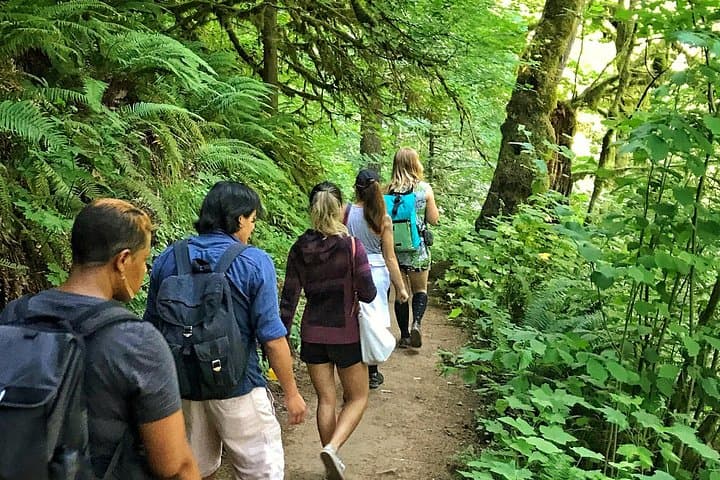
Lose the city for a few hours without leaving it: this 5-mile, 900-foot-gain Forest Park loop threads old-growth pockets, city viewpoints, and cultural landmarks for a compact taste of Portland’s wild side. Expect moss, roots, and stories.