
What the day feels like
You clip in at the edge of the platform and the forest exhales beneath you. For a breathless second there’s only timber and distance, a cathedral of pines and hardwoods that slopes away into blue haze. Then you step, and the world tilts into motion: the line hums, wind presses your face, and the valley unfolds — river silvering, farm fields patched like a quilt, ridgelines layered into the horizon. This is the Goliath Zip Line Tour, Foxfire Mountain’s headline act and the highest, longest zip line experience in the Smoky Mountains. It’s not a circus thrill; it’s a designed sequence of five high-speed flights that stitch mountain top to mountain top, each run inviting you to trade the comfort of ground for the raw perspective of air.
The route is pure Appalachian theater. From platforms anchored in old-growth stands you rocket as fast as 55–60 mph across spans that lift you as high as 475 feet above canyon floor. The runs are engineered for exhilaration and visibility — long, straight chords that let you look forward and see where you’re headed, with the occasional dip that funnels you toward river views and the tree canopy’s mid-story. Foxfire pairs adrenaline with classic Smoky Mountain scenery: thick, mist-prone hollows in the morning, green ridgelines in summer, and a fiery patchwork of maples and oaks come October.
Zip lines are modern infrastructure atop ancient geology. The surrounding terrain is old — the Appalachian chain is among the planet’s oldest mountain ranges — rounded rather than jagged, its valleys carved by countless winters and spring floods. That slow erosion is why you get long, sweeping vistas here instead of the knife-edge peaks of younger ranges. Human history is layered on top: the Cherokee called these mountains home long before settlers arrived, and later small-scale logging and farming shaped the visible landscape. Today, adventure operators like Foxfire have reimagined those ridgelines for recreation, threading cables between trees while keeping the forest largely intact.
Part of the appeal of zipping over this place is how it reveals less-accessible views of local life. Look down and you’ll see small, tidy farms, the occasional preserved homestead, and the ribbon of water that fed communities for generations. The region’s culture is a blend of Appalachian craft, mountain music, and a modern tourism economy clustered around nearby towns like Sevierville, Pigeon Forge, and Gatlinburg.
Practicality matters when you’re playing at height. The Goliath tour runs roughly two hours from check-in through the final landing, and operators move groups efficiently — safety briefings, harness fittings, and a skilled staff who clip and unclip you at each platform. There are age and weight restrictions: riders must be at least 10 years old and weigh between 100 and 250 pounds. Children under 16 need adult supervision. Expect a moderate amount of hiking between platforms and some stairs at the start and finish; the operator also grants access to hiking trails and a scenic bridge for seven days if you purchase a zipline pass.
If you’re planning a visit, time your booking. Tours have limited capacity and fill up, especially in fall leaf season and weekends. Morning slots offer crisper air and clearer light for photos; late afternoon runs can give you that golden-hour glow but may also be busier. Wear close-toed shoes with good grip, and dress in layers: mornings in the Smokies can be cool even in summer. The harness is snug, so keep loose scarves or long, dangly jewelry stowed.
Safety systems are redundant — helmets, dual lanyards, and trained guides performing the most critical tasks — but your attention counts. Listen to the crew’s instructions on braking technique and hand placement; most lines are designed for a comfortable, seated glide, and guides will coach you on how to use your body to stabilize. If you’re nervous, tell your guide; they’ll often let you do a shorter practice run or walk you through a tandem launch with an experienced staff member.
Photographers should plan ahead. The fastest runs demand stabilizing techniques — brace the camera to the chest, use burst mode, or rely on an operator’s GoPro service if available. Wide-angle lenses work best to capture the sense of scale; a long lens can isolate river or ridge details from platforms between lines.
Beyond the thrill, the Goliath Zip Line Tour is a practical way to extend a Smokies itinerary. It pairs well with a morning in Great Smoky Mountains National Park, an afternoon visiting small-town shops in Sevierville, or an evening at a local brewery. Unlike a backcountry climb, this is a high-impact, low-footprint way to access ridge-top perspectives without hours of scrambling.
If you go: book early, choose a morning slot for clear conditions, and prepare for the mental lift of stepping into open air. Then lean back, trust the harness, and let the mountain show you its lines. For a clean, efficient shot of adrenaline and a new way to read the Smokies’ geology and human footprint, the <a href="https://app.advcollective.com/local-experts/goliath-zip-line-tour">Goliath Zip Line Tour</a> delivers.
Trail wisdom
Small choices, better day.
Book morning slots
Mornings bring clearer skies and cooler temperatures — ideal for visibility and comfort.
Secure footwear
Wear sturdy, closed-toe shoes with a grippy sole; sandals and flip-flops are not allowed.
Bring a small daypack
Keep water, snacks, and a light layer available; most crews allow a small pack during transit between platforms.
Listen to your guide
Follow braking and body-position instructions closely — they’re designed for rider safety and comfort.
Local knowledge
Read the place, not just the route.
Watch for native species including White-tailed deer, Red-tailed hawks.
Keep an eye out for wildlife during the transition between areas and habitats. Respect distance guidelines.
Operators work to minimize habitat disturbance by placing platforms carefully and following Leave No Trace principles; visitors should stick to designated paths and pack out trash.
Follow the guide's instructions on size limits, ethical handling, and leave-no-trace practices.
Hike to the nearby scenic bridge included with the zipline pass. Check smaller morning tour slots for quieter runs and better light
Locally recommended viewpoints and quiet spots known best to local operators.
The Smokies are part of the ancient Appalachian chain; the region was historically home to Cherokee communities and later small-scale settlers.
Maritime roots and regional tradition shape the waterways and working coasts.
Seasonal guide
Four versions of the same landscape.
Spring
Best forWildflower views · Milder temperatures
ChallengesOccasional rain showers · Pollen sensitivity
Spring brings fresh green canopy and milder weather; lines may be wet after rain so wear quick-dry clothing.
Summer
Best forLonger daylight · Lush forest vistas
ChallengesHot afternoons · Higher humidity
Summer offers dense, verdant scenery — choose morning tours to avoid peak heat and afternoon storms.
Fall
Best forLeaf peeping · Crisp air and excellent visibility
ChallengesHigh demand and bookings · Cool mornings
Fall is peak for foliage and visibility — book well in advance for the best time slots.
Winter
Best forQuiet trails · Clear, distant views on cold days
ChallengesCold temperatures · Reduced staff hours
Winter can produce clear, expansive views; dress warmly and verify operating days as schedules may vary.
Pack with intention
What to bring.
Good to know
Common questions.
The full experience, including safety briefings and gearing up, is about two hours.
Plan the edges
The details that make the day easier.
The Great Smoky Mountains National Park is the most-visited national park in the United States — a title it has held for years due to its biodiversity and accessibility.
After your zip run, head into nearby Sevierville or Pigeon Forge for down-home Appalachian fare — try The Old Mill Restaurant for country-style comfort food, or sample local brews at Smoky Mountain Brewery. For crafts and music, check out Sevierville’s Main Street for handmade goods and live bluegrass.
- Closest airport
- McGhee Tyson Airport (TYS) ~45 minutes; Driving distance from Sevierville: 10–20 minutes depending on route; Cell service: variable on ridge tops; Permits
- Passes
- No special permits, but reservations required for tours.
Operators adhere to low-impact practices — stay on trails, carry out any trash, and avoid disturbing wildlife. Supporting local operators helps fund conservation and trail maintenance.
Explore by topic
Follow the threads.
Keep exploring
Make the story part of the trip.
In four hours you can move from shaded canyon ferns to wind-scoured coastal ridgelines, guided by someone who knows where the light—and the hidden views—live. This private half-day hike on the Monterey Peninsula or Big Sur is compact, curated, and perfect for travelers who want depth without a multiday commitment.
 Related story
Beneath a sky of shifting light, Skaftafell’s ice reads like a map of time. This three-hour guided glacier hike mixes technical instruction with geology and culture: compact, safe, and unforgettable.
 Related story
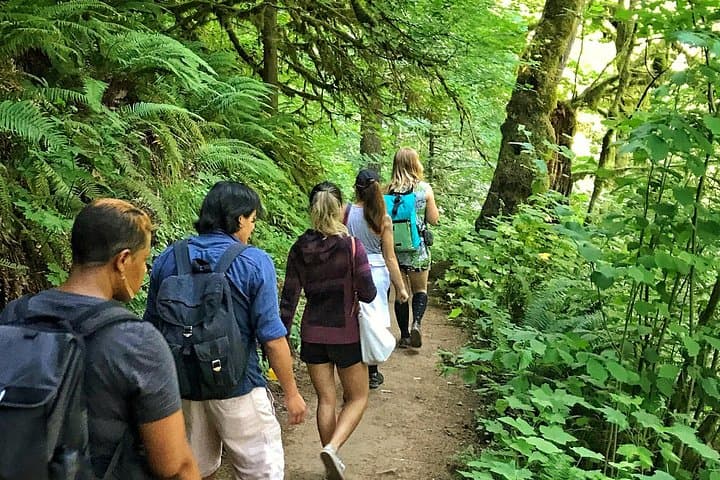
Lose the city for a few hours without leaving it: this 5-mile, 900-foot-gain Forest Park loop threads old-growth pockets, city viewpoints, and cultural landmarks for a compact taste of Portland’s wild side. Expect moss, roots, and stories.