
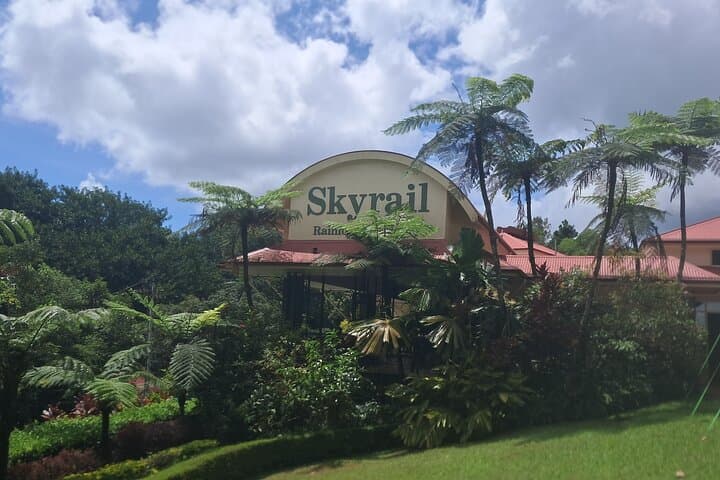
What the day feels like
By the time the van rolls through Cairns’ palm-lined streets at 8:00 a.m., morning humidity has already begun to lift off the harbor. You buckle into a window seat and watch the city slip backward: sugar-white beaches, the wash of the Coral Sea, then a green wall—an unbroken spine of rainforest that looks older than memory. The Skyrail’s terminal at Smithfield feels like an airport for trees. Minutes later you are suspended, moving over a cathedral of fronds. The canopy breathes beneath you—leaves flex, vines drape, a hidden creek flashes silver—and the rainforest takes on the deliberate pace of something that has been here a very long time.
This is the pulse of the Kuranda Tour Express Adventure: an efficient, sensory-rich loop that threads the Skyrail Rainforest Cableway, a village steeped in market culture, and the historic Kuranda Scenic Railway. It’s a day designed for curiosity—photographers, families, and anyone who wants a compressed, high-value encounter with Queensland’s Wet Tropics.
History and geology live side by side along the route. The Wet Tropics World Heritage Area shelters rainforests that are evolutionary archives; plant families here trace roots back to Gondwana. The railway itself is a Victorian-era feat—completed in the late 19th century to connect coastal Cairns to the Atherton Tablelands—and its curved tunnels and stone culverts are reminders of an engineering era that carved transport out of stone and cliff. The Barron Gorge, which the train skirts and the Skyrail spans, is both geological spectacle and living river system: water has cut this dramatic valley through basalt and schist, exposing cliff faces where orchids and ferns cling in improbable pockets.
Kuranda Village sits like a small, chatty station at the rainforest’s edge. The market—bustling with woven crafts, indigenous art, and tropical fruit—has a traveler-friendly cheer, and the village’s compact set of attractions (the Australian Butterfly Sanctuary, Birdworld, and small wildlife gardens) make it easy to collect experiences without feeling rushed. Artisans work in open-air stalls; cafes pour strong coffee; tour operators and gallery owners welcome questions about local Kuku Yalanji culture, the traditional owners of large parts of the surrounding rainforests.
Practicality steers this adventure. The full loop totals about seven hours (the Viator product runs roughly 420 minutes), and the logistics are straightforward: morning pickup in Cairns, Skyrail from Smithfield to Kuranda, four hours free to explore the village, then the Kuranda Scenic Railway down to Cairns. The experience is intentionally modular—book the full loop if you want the ease of door-to-door service and the narrative arc of cableway up and train down; skip the return train if you prefer to linger or ride the Skyrail both ways. Note: entry fees for private attractions in Kuranda are typically not included in the base fare, so factor a small budget if you plan to visit the butterfly house or wildlife parks.
Timing matters. The Skyrail is best in the morning light: shafts of sunlight filter through misted valleys and the barron waterfall often glints white. The crowds ebb and flow—weekday departures are calmer; school holidays bring families. Weather can be dramatic; tropical downpours are part of the rainforest’s rhythm, so expect sudden showers in wet season and plan rain layers.
What you’ll actually do: glide above the canopy, step into Kuranda’s market-laced streets, browse a butterfly house or bird aviary, and then ease into one of Australia’s most scenic train rides. The Kuranda Scenic Railway slows at lookouts and across historic bridges, giving you time to register Barron Falls’ vertical drop and the gorge’s carved walls. Bring a camera with a polarizer for waterfall shots, a compact daypack with water and sun protection, and shoes that can handle slick boardwalks and market pavements.
Who should go? This tour is engineered for variety: it’s accessible to most fitness levels, family-friendly, and rich with photo ops. It’s not a hardcore bushwalk—those wanting long hikes should plan separate treks into the Wet Tropics—but it does offer a genuine rainforest encounter without demanding miles of trail.
Local etiquette and conservation: Kuranda and the surrounding rainforest are living cultural landscapes. Listen and ask about Indigenous history. Stick to paths, avoid feeding wildlife, and treat cultural sites with respect. The Wet Tropics is fragile—small choices matter. Take reusable bottles, resist single-use plastics, and leave no trace in village stalls and trails.
The day ends with a return to Cairns that feels easy, not exhausted. Whether you came for wildlife, to see the falls from the perfect angle, or just for the novelty of floating above ancient trees, the Kuranda Tour Express compresses a lot of Far North Queensland into one satisfying, well-timed day.
Practical snapshot: Expect a comfortable, guided transfer from Cairns (pickups generally around 8:00 a.m.); total time onboard and exploring is about seven hours; price varies but typically starts in the low hundreds (Viator lists from USD 136.77 at time of writing). Bring cash or card for market purchases and pay attention to attraction admission policies if you plan to visit private sites. Finally, leave room in your schedule for a quiet moment on the Barron Falls lookout—the rainforest’s sound is the tour’s best souvenir.
Trail wisdom
Small choices, better day.
Book early for morning slots
Morning Skyrail cabins offer the best light and smaller crowds—book the earliest pickup available from Cairns.
Bring rain protection
Tropical weather can shift quickly; pack a lightweight waterproof or poncho even if the forecast is fair.
Cash for markets and small attractions
Some market stalls and wildlife attractions accept only cash—carry some Australian dollars for quick purchases.
Reserve camera time on the train
The Kuranda Scenic Railway pauses at lookouts; have your camera ready for Barron Falls and gorge views.
Local knowledge
Read the place, not just the route.
Watch for native species including Rainbow lorikeets, Tree kangaroos (rare sightings on the Tablelands).
Keep an eye out for wildlife during the transition between areas and habitats. Respect distance guidelines.
Kuranda sits inside the Wet Tropics World Heritage Area—visitors are encouraged to keep to paths, minimize waste, and support locally run eco-certified businesses.
Follow the guide's instructions on size limits, ethical handling, and leave-no-trace practices.
Barron Falls lookout on the Kuranda Scenic Railway for dramatic waterfall views. Small artisan workshops near the Kuranda Markets for authentic indigenous art and storytelling
Locally recommended viewpoints and quiet spots known best to local operators.
The Kuranda Scenic Railway was completed in the late 19th century to link Cairns to the Atherton Tablelands, and its construction is considered an engineering landmark.
Maritime roots and regional tradition shape the waterways and working coasts.
Seasonal guide
Four versions of the same landscape.
Spring
Best forWildflower displays · Birdwatching · Moderate temperatures
ChallengesOccasional rain showers · Higher humidity later in season
Spring brings lush growth and excellent bird activity; mornings are comfortable and the rainforest is vivid after wet-season rains.
Summer
Best forLush rainforest imagery · Butterfly activity · Long daylight hours
ChallengesHigh heat and humidity · Frequent afternoon storms · Stinger season offshore
Summer is dramatic and green but hot; expect heavy showers and plan for quick-drying gear and hydration.
Fall
Best forClearer skies · Calmer weather · Good photography conditions
ChallengesResidual humidity early in season
Autumn settles into drier, more stable weather—ideal for scenic shots and comfortable exploration.
Winter
Best forDry-season clarity · Cool mornings · Peak sightseeing conditions
ChallengesCooler mornings may require layers
Winter (June–August) is the most popular time: dry, sunny days and crisp air make it ideal for the Skyrail and village strolls.
Operator details
What the booking data adds.
Included
- ✓Friendly local driver with warm hospitality and great stories
- ✓Skyrail cable car
- ✓Air-conditioned vehicle with hotel pickup and drop-off from Cairns City
- ✓Kuranda Scenic Railway
Not included
- —Lunch
Good to know
- ✓Infants and small children can ride in a pram or stroller
- ✓Service animals allowed
- ✓Infants are required to sit on an adult’s lap
- ✓Suitable for all physical fitness levels
- ✓Skyrail will be undergoing major renovations from 20 July until 18 August 2026. From this date, Skyrail will be replaced with van transfer to Kuranda Village
- ✓On the following dates Skyrail will be undergoing scheduled maintenance. The tour operator will reachout with amendment to your itinerary: May 25-31 , June 1, Aug 24-25, 31, Sep 1, 7-8, 14-15, 21-22, 28-29, Oct 5-6, 12-13, 19-20, Dec 25
- ✓Please note, the cruise port pickup is for Cairns (city) Cruise Terminal only. If you dock in Yorkey's Knob, an extra fee will apply.
Pack with intention
What to bring.
Good to know
Common questions.
Allow about seven hours for the full experience—door-to-door pickup from Cairns, Skyrail up, roughly four hours in Kuranda Village, then the Kuranda Scenic Railway back.
Plan the edges
The details that make the day easier.
The Kuranda Scenic Railway opened in 1891 and was a major engineering achievement of its era, carved through rugged rainforest and rock to connect Cairns with inland mining areas.
Kuranda Village is compact and convivial—after exploring, sit for a coffee at a local café, sample tropical fruit from market stalls, and pick up hand-made Indigenous art. Back in Cairns, dinner options include seafood-focused restaurants on the waterfront and craft beer bars where you can compare local brews.
- Closest airport
- Cairns Airport (CNS); Driving distance from Cairns: ~25–35 minutes to Smithfield, then Skyrail; Cell service: patchy on Skyrail, better in Kuranda Village; Permits: none required for day visitors, but private attraction admissions are extra.
The route crosses part of the Wet Tropics World Heritage Area—help protect it by staying on paths, using refillable water bottles, and supporting certified local guides and businesses.
Explore by topic
Follow the threads.
Keep exploring
Make the story part of the trip.
In four hours you can move from shaded canyon ferns to wind-scoured coastal ridgelines, guided by someone who knows where the light—and the hidden views—live. This private half-day hike on the Monterey Peninsula or Big Sur is compact, curated, and perfect for travelers who want depth without a multiday commitment.
 Related story
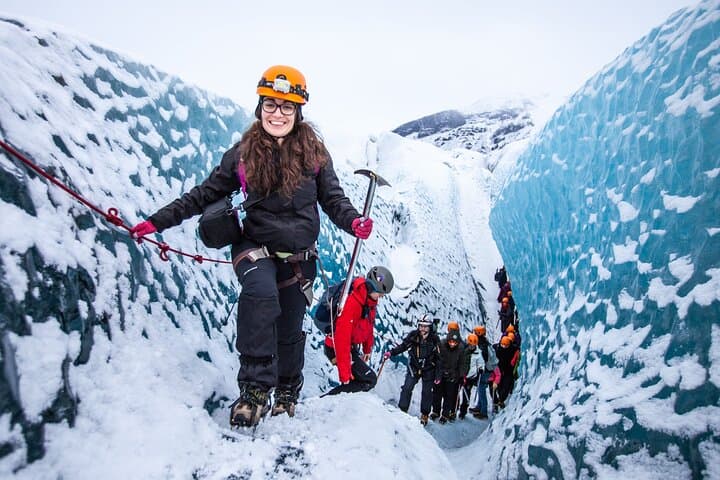
Beneath a sky of shifting light, Skaftafell’s ice reads like a map of time. This three-hour guided glacier hike mixes technical instruction with geology and culture: compact, safe, and unforgettable.
 Related story
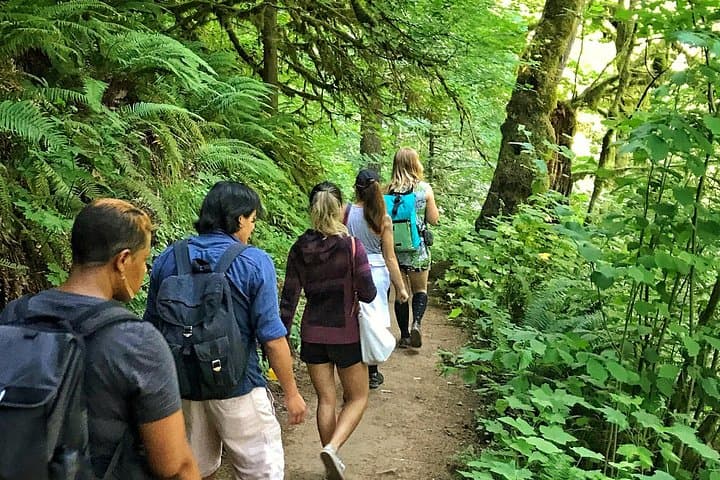
Lose the city for a few hours without leaving it: this 5-mile, 900-foot-gain Forest Park loop threads old-growth pockets, city viewpoints, and cultural landmarks for a compact taste of Portland’s wild side. Expect moss, roots, and stories.