
What the day feels like
The boat heels gently as the city recedes and the horizon opens into a band of restless blue. Salty wind finds the nape of your neck and the Atlantic-sized swell nudges the hull like a patient animal, testing your resolve. If you’ve booked the <a href="https://app.advcollective.com/local-experts/14-hour-trip-fishing-orange-beach-alabama">14-Hour Trip</a> out of Orange Beach, Alabama, this is the moment the guide smiles—this is when the day begins to earn its name.
A 14-hour private charter isn’t for someone chasing quick Instagram moments. It’s a deliberate plunge into the Gulf’s rhythm: morning trolling, mid-day anchor sets over reefs, and late-afternoon runs where currents stir big predators awake. Over the course of the day you’ll fish nearshore and farther out over deeper structure, chasing species that define Gulf angling: Red Snapper, King Mackerel, Spanish Mackerel, Cobia, Amberjack, and grouper that hug underwater plateaus. For families or seasoned anglers, the trip offers the same currency—time, and therefore more opportunity to learn, to work a line, and to feel a rod load that tells you a story in muscle and drag.
The Alabama coast around Orange Beach is a product of geology and Gulf currents. A shallow continental shelf extends offshore, then drops into deeper channels and reefs where structure accumulates—artificial reefs, natural hard-bottom and rock ledges—that bring baitfish and, by extension, larger predators. That mix of shelf and structure explains why a 14-hour window can yield both fast-paced trolling action and slow, technical bottom fishing.
Orange Beach itself is a small town with a long relationship to the sea. Historically a fishing and shipbuilding community, it has evolved into a destination where seafood restaurants, piers and charters form the local economy. The character here is ease: crews are pragmatic, safety-minded and fluent in local regulations—an important detail given seasonal closures and size limits for species like red snapper.
Practical detail matters on a trip of this length. The charter meets at 26619 Perdido Beach Blvd., and accommodates up to six people—small enough that everyone gets attention from the crew, but large enough for a social group. The boat provides bait, tackle and ice; you bring sunscreen, layered clothing for the morning chill and the blazing afternoon, snacks, and a willingness to participate. Expect a full day: anglers trade turns at the rod, help with gaffing and the deck routine, and learn how to fillet under a patient eye if they want to bring fish home. For those worried about motion, the crew recommends taking seasickness meds before departing—that small act preserves the rest of the day.
The best trips are equal parts adrenaline and ritual. Morning passes often reward trolling for spanish and king mackerel, the bite coming in flashes that demand quick hands. Midday can shift to slow, meticulous tactics—baiting heavy drops over structure, feeling the ocean through your rod as a series of subtle nudges before something commits. Late-day runs can bring bigger, solitary fish: amberjack and cobia that test tackle and patience. Between bites there’s a cadence of small pleasures: steaming coffee at sunrise, the abrupt laughter when a novice angler hooks their first keeper, and the quiet respect of cleaning a fish and sharing it at the dock.
For photographers and storytellers, light matters. The long day moves from cool pre-dawn blues to harsh noon, then soft late-afternoon gold. Keep a polarizer for glare, secure your gear with straps, and be ready for close-in, action shots when a fish erupts.
Safety and responsibility are built into a good charter. Licensed captains know closures and limits—on a private charter like the <a href="https://app.advcollective.com/local-experts/14-hour-trip-fishing-orange-beach-alabama">14-Hour Trip</a>, they manage the paperwork and advise on which catches can go home. Practice selective harvesting: when in doubt, release, and follow crew guidance on handling fish to maximize survival. On a long day, hydration and sun protection keep the crew moving—bring a reusable water bottle and reapply sunscreen.
Why choose a 14-hour trip instead of a half-day? Time. A longer charter reduces the premium on luck and increases learning. You’ll fish different zones, experiment with techniques, and ride out changing conditions rather than race the clock. For groups, it’s a shared story that ends with a chilled cooler and fillets to cook that night.
Practical planning: flights into Pensacola International (PNS) or Mobile (MOB) put you within an hour of Orange Beach. Book early for summer weekends—Red Snapper season and summer holidays push demand. Ask the operator about included equipment, storage and whether they will clean and bag fish for travel. Tipping is customary: 15–20% of the charter cost shows appreciation for a day of guiding, bait rigging and cleaning.
On shore after a day at sea, the town welcomes you back with seafood joints and local bars. Bring a bag to carry fillets, and consider a stop at a local fish market if you want to dry off and stock up on sides. The day’s best takeaway isn’t always a trophy fish; it’s the competence you gather—how to read a bite, how to gaff safely, how to tie a knot under pressure—and the shared memory of being far from the city with a single aim: to tangle honestly with the Gulf.
If you’re searching for a full-day saltwater challenge in a place where the ocean keeps a steady, demanding tempo, book the <a href="https://app.advcollective.com/local-experts/14-hour-trip-fishing-orange-beach-alabama">14-Hour Trip</a>. It’s a long day, and the Gulf will test you—but it will also reward you with fish, sun, and the exact kind of stories anglers live for.
Trail wisdom
Small choices, better day.
Take seasickness meds early
If you’re prone to motion sickness, take medication at least an hour before departure to stay active for the full day.
Layer for changing sun
Mornings are cool and afternoons can be hot—pack a windbreaker and a breathable sun shirt to adapt.
Non-slip footwear
Wear comfortable, closed-toe shoes with good grip for safety on a wet deck.
Bring your own snacks
The charter supplies ice and water but bring preferred snacks to keep energy up across 14 hours.
Local knowledge
Read the place, not just the route.
Watch for native species including Bottlenose Dolphin, Brown Pelican.
Keep an eye out for wildlife during the transition between areas and habitats. Respect distance guidelines.
The Gulf has regulated seasons and quotas—practice selective harvesting and follow crew guidance to support sustainable fisheries.
Follow the guide's instructions on size limits, ethical handling, and leave-no-trace practices.
Paddle around the back bays at dawn for birdlife. Grab a sunset drink at The Gulf on Fort Morgan Road
Locally recommended viewpoints and quiet spots known best to local operators.
Orange Beach grew from a working fishing community into a coastal resort town; many local captains come from generations of Gulf fishers.
Maritime roots and regional tradition shape the waterways and working coasts.
Seasonal guide
Four versions of the same landscape.
Spring
Best forMigratory mackerel runs · Mild temperatures
ChallengesUnpredictable frontal weather · Cooler early mornings
Spring brings active baitfish and migratory species—good action but watch the forecast for fronts that can change sea conditions quickly.
Summer
Best forRed Snapper season · Stable seas · Long daylight hours
ChallengesHot sun and strong midday heat · Higher charter demand
Summer is the prime season for many Gulf species and long days—come prepared for sun and busy booking calendars.
Fall
Best forAmberjack and cobia · Fewer crowds
ChallengesOccasional tropical activity late in season · Cooling water temperatures
Fall can offer excellent action with fewer crowds; keep an eye on hurricane season windows.
Winter
Best forCalmer seas some days · Good rates off-season
ChallengesCooler air and water temps · Shorter daylight window
Winter charters run but expect cooler conditions and shorter fishing windows—dress warm and manage expectations for species availability.
Pack with intention
What to bring.
Good to know
Common questions.
On federally permitted for-hire charters, the captain typically handles permits; confirm with your operator but most private charters include required licensing.
Plan the edges
The details that make the day easier.
The continental shelf off Alabama creates rich habitat for red snapper and other reef species; strict federal and state regulations govern seasons and size limits to protect these stocks.
After the trip, grab fresh fillets and a cold beer at Big Fish Restaurant & Bar or stop by the Flora-Bama for live music and Gulf views—both give a taste of coastal Alabama hospitality.
- Closest airport
- Pensacola International (PNS) ~45–60 min drive; Meeting point: 26619 Perdido Beach Blvd., Orange Beach; Driving distance from Orange Beach central: under 15 minutes; Cell service: reliable nearshore, intermittent offshore; Permits: captain handles charter permits—check local regulations for take-home limits.
Follow size and bag limits, use circle hooks when appropriate, and pack out all trash—charter crews and anglers share responsibility for Gulf habitat health.
Explore by topic
Follow the threads.
Keep exploring
Make the story part of the trip.
In four hours you can move from shaded canyon ferns to wind-scoured coastal ridgelines, guided by someone who knows where the light—and the hidden views—live. This private half-day hike on the Monterey Peninsula or Big Sur is compact, curated, and perfect for travelers who want depth without a multiday commitment.
 Related story
Beneath a sky of shifting light, Skaftafell’s ice reads like a map of time. This three-hour guided glacier hike mixes technical instruction with geology and culture: compact, safe, and unforgettable.
 Related story
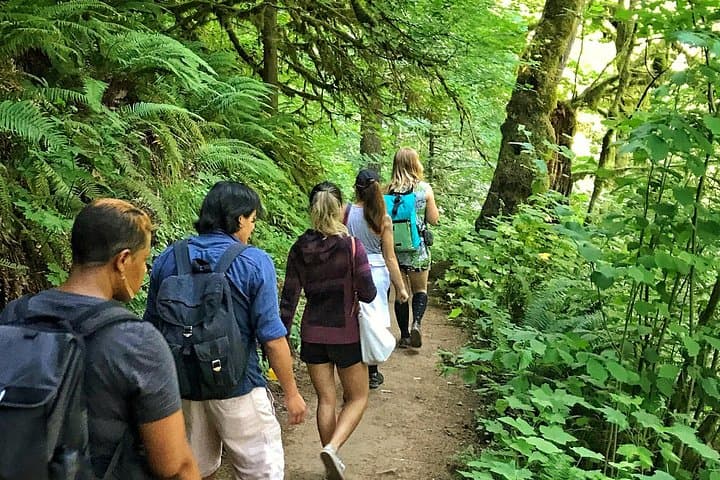
Lose the city for a few hours without leaving it: this 5-mile, 900-foot-gain Forest Park loop threads old-growth pockets, city viewpoints, and cultural landmarks for a compact taste of Portland’s wild side. Expect moss, roots, and stories.