About this landmark
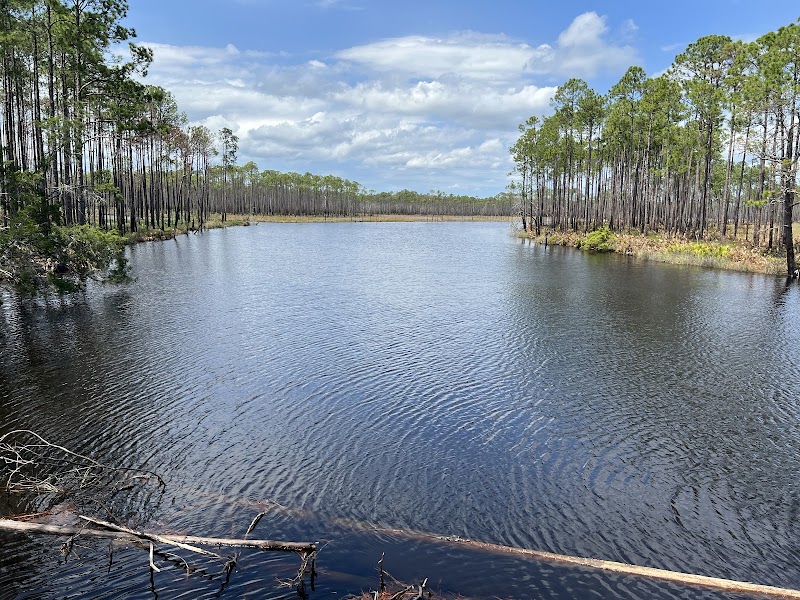
Tate's Hell State Forest, located near Carrabelle, Florida, is a captivating destination for nature enthusiasts and adventurers alike. Sprawling over 202,000 acres, this forest is a tapestry of wetland ecosystems, pine flatwoods, and cypress domes. The forest's distinct terrain offers a rare glimpse into Florida's natural landscape, making it a standout location in the region. Known for its biodiversity, Tate's Hell is home to a variety of wildlife, including black bears, bobcats, and a myriad of bird species. It's also renowned for its rich flora, featuring carnivorous plants like pitcher plants and sundews. The forest's name originates from a local legend involving a settler named Cebe Tate, who ventured into the woods and emerged days later, barely alive, claiming he had been to “hell and back.” This folklore adds a layer of intrigue to the area's allure. Visitors can immerse themselves in a host of outdoor activities, from tranquil paddling along the Carrabelle River to adventurous hiking on more than 30 miles of trails. The forest's waterways and dense vegetation create an ideal backdrop for photography and wildlife observation. Tate's Hell State Forest is a must-visit for those seeking serenity and adventure in one of Florida's most unique natural settings.
Adventure Guide
Adventure Guide to Tate's Hell State Forest
Carrabelle River Paddle
- What Makes It Special: Paddle through secluded waterways surrounded by lush vegetation.
- Key Features: Ideal for spotting wildlife like otters and turtles.
- Local Insights: Legend has it that Cebe Tate navigated these waters during his famous trek.
- Visitor Tips:
- Best Times: Early morning for calm waters.
- What to Bring: Lightweight kayak or canoe, life jacket, sunscreen.
- Directions: Located five miles north of Carrabelle, FL on Highway 67.
High Bluff Coastal Trail
- What Makes It Special: Offers scenic views of the Gulf Coast.
- Key Features: Overlooks and wildlife viewing platforms along the way.
- Local Insights: Part of the Great Florida Birding Trail.
- Visitor Tips:
- Best Times: Late fall to spring.
- What to Bring: Binoculars, camera, sturdy hiking boots.
Camping at Womack Creek
- What Makes It Special: Secluded camping spots along a serene creek.
- Key Features: Primitive sites equipped with fire rings and picnic tables.
- Local Insights: Listen for the calls of barred owls at night.
- Visitor Tips:
- Best Times: Spring and fall.
- What to Bring: Tent, insect repellent, portable water filter.
Visitor Tips
- Best Times:Spring and Fall for favorable conditions and optimal lighting.
- What to Bring:Plenty of water, sun protection, a camera, and respectful Leave-No-Trace mindset.