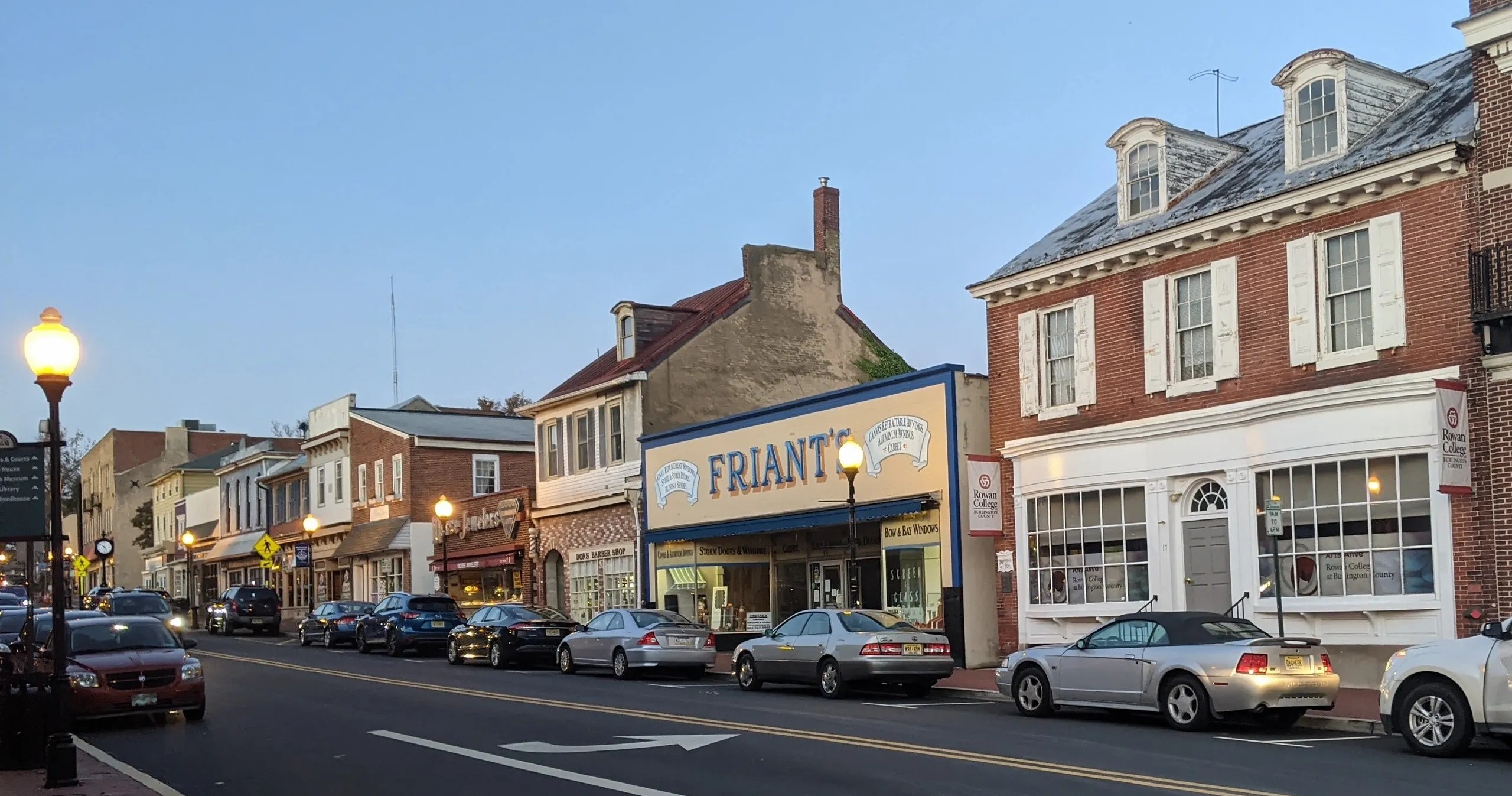
Why Vincentown Is a Standout Walking‑Tour Destination
Vincentown is the kind of place where a short walk can feel like a slow‑reveal story. Streets are measured in storefronts and clapboard houses rather than shopping plazas; hydrangeas and front‑porch swings frame façades that recall rural New Jersey life across the 19th and 20th centuries. Walking here is not about conquering distance but about close observation: the way the Rancocas Creek narrows and widens with tidal moods, how an old mill foundation sits half swallowed by knotweed, or how a single intersection can hold a bakery, a barber, and a historical plaque that hints at a past industry. These are modest scenes, but when stitched together into a walking tour they become a textured portrait of place, one that rewards curiosity and a slow pace.
The town’s topography favors walking. Routes are generally low‑grade and compact, letting visitors layer themes—architecture, waterways, craft food, and migratory birds—into the same day. Mornings are best for quiet exploration and light: shopkeepers unlock doors, mist lifts off the creek, and cafés start to smell of fresh coffee. Afternoons offer a different rhythm; gardens and riverbanks hum with activity, and light along tree‑lined streets becomes warmer. Because most tours are short loops or linear creekside paths, it’s easy to combine a self‑guided historical stroll with a kayak launch downstream, a longer cycle through the neighboring countryside, or a visit to a working farm stand during harvest months. That flexibility is central to Vincentown’s appeal—walkers can tailor an outing to an hour of focused discovery or an entire day of paired outdoor experiences.
Culturally, walking in Vincentown feels neighborly. Unlike city walking tours that orient around monuments or singular attractions, Vincentown’s walks emphasize sequence: a converted storefront here, a hidden meadow there, then a community green where locals gather. This sequence reveals a living landscape in which conservation-minded land trusts, active farms, and resilient small businesses coexist. From an environmental perspective, creekside walks offer accessible nature watching—seasonal wading birds, spring warblers, and fall raptor movements are visible from low, safe benches and footpaths. Infrastructure is modest; there are sidewalks and paved segments in the village core, and gentler dirt or packed gravel along the creek and nearby preserves. That combination makes Vincentown approachable for multi‑generational visitors while still delivering the texture and quiet that outdoor travelers seek. In short, Vincentown’s walking tours are about intimacy: an invitation to slow down and pay attention to how a small New Jersey town shapes and is shaped by its landscape, history, and community.
The variety of walks is the draw: short historic loops, gentle creekside nature routes, and farm‑and‑food circuits that pair walking with local flavors.
Seasonal shifts reshape the experience—spring wildflowers and river migration, hot but shaded summers, crisp fall color, and quiet winter views.
The harbor is the gateway, and the Pacific becomes the classroom.
Short distances and low elevation gain make most tours accessible to families and casual travelers; detailed route notes clarify surface conditions.
Choose by purpose
Whale watching, snorkeling, sunset sailing, cultural canoeing, harbor sightseeing, or private chartering.
Start near the city
Waikiki and Honolulu Harbor are primary hubs, with some trips launching near Hanauma Bay.
Confirm the vessel
Gangways, shaded seating, and boarding requirements vary according to vessel size and operator.