Why Slatington Is a Compelling Spot for Air Tours
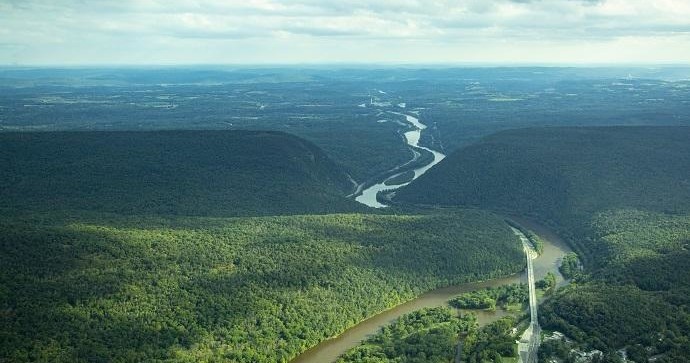
There is a distinct hush that falls over a landscape when you lift above it: the rush of individual details into a readable whole. Slatington’s story—its ribbons of river, its patches of reclaimed quarry, the linear shadow of the Blue Mountain—becomes legible only from the air. An air tour here does more than show you pretty geography. It reveals the layered history of industry and nature, how slate and limestone were carved and moved, how small towns clung to river arteries, and how ridgelines still direct weather and wildlife. For a traveler used to map views and roadside overlooks, a twenty- to forty-minute flight reconceptualizes distance and scale, turning a weekday commute into a canyon, a field system into a woven patchwork, and a rapid in the Lehigh into a bright, snaking seam.
Air tours in the Slatington area are intimate by necessity. You won’t find the large commercial sightseeing jets common in major tourist centers; instead, expect single-engine aircraft, helicopters, and the occasional hot-air ballooning outfit operating from small regional fields and private strips across the Lehigh Valley. That intimacy is part of the appeal. Pilots are often the company owner, the local guide, and the narrator all at once; they point out features you would otherwise miss and alter flight paths for better light, better photos, or a closer look at a quarry face or a migratory raptor riding the ridge lift. Because operations are small and typically regional, flights can be customized—shorter loops for families, longer photographic sorties for enthusiasts, or specialized helicopter access for those seeking dynamic low-level passes.
Beyond the technical and aesthetic, air tours around Slatington also knit together complementary outdoor experiences. A sunrise flight followed by a riverside paddle or a late-afternoon climb to an overlook on Blue Mountain turns a single perspective into a full-day itinerary: airborne reconnaissance in the morning, grounded exploration in the afternoon. Likewise, combining an air tour with a guided birding walk, a landscape photography workshop, or a visit to nearby slate-quarry ruins creates layered experiences that balance high-adrenaline vantage points with slow, tactile engagement on the ground. Practical considerations—seasonality, weather windows, and access restrictions—shape this type of travel more visibly than many other outdoor activities, but those constraints are usually manageable with flexible planning and a local operator who reads the wind as well as they read the map.
Flights are short and site-specific: most air tours operate between 20 and 60 minutes, giving concentrated views rather than long cross-country hops.
Pilots and operators are regional specialists; many flights include live narration about local geology, industrial history, and seasonal wildlife movements.
The harbor is the gateway, and the Pacific becomes the classroom.
Air tours pair especially well with ground-based activities—kayaking the Lehigh, ridge hikes on Blue Mountain, and local history tours of the Slate Belt.
Choose by purpose
Whale watching, snorkeling, sunset sailing, cultural canoeing, harbor sightseeing, or private chartering.
Start near the city
Waikiki and Honolulu Harbor are primary hubs, with some trips launching near Hanauma Bay.
Confirm the vessel
Gangways, shaded seating, and boarding requirements vary according to vessel size and operator.