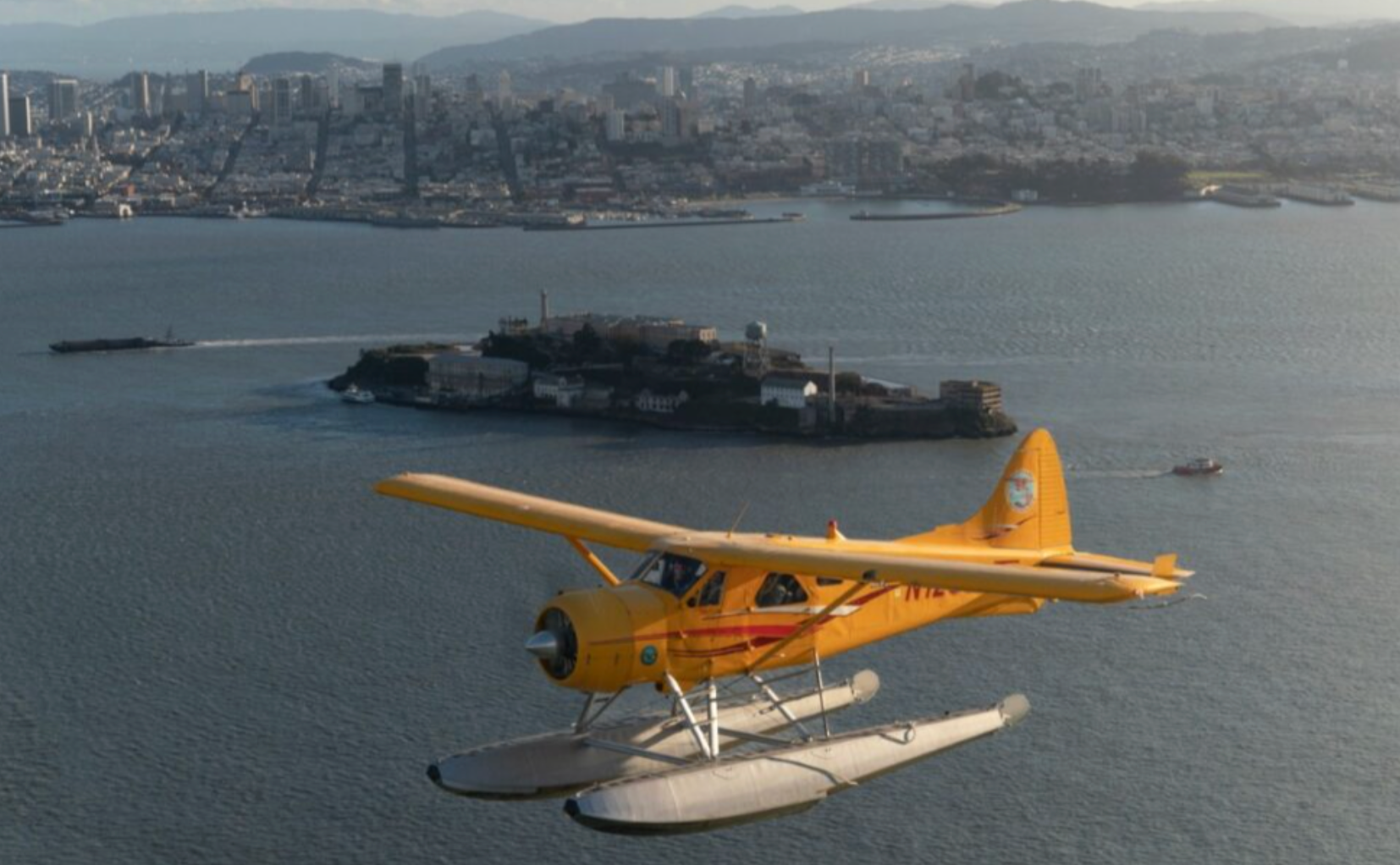
Pleasant Hill sits quietly at the edge of a larger Bay Area aviation tapestry—far enough from the busiest commercial corridors to feel accessible, close enough to the region’s iconic geography that every takeoff promises views. From the passenger seat of a light aircraft the modest suburban grid yields quickly to patchwork orchards, undulating ridgelines and the complex seams where urban development meets open space. The magic of airplane experiences here is that they compress scale: a half-hour flight can turn a daily commute into a cinematic sweep of the bay, the delta, and the fissured foothills that ring Mt. Diablo.
Aviation in and around Pleasant Hill is primarily general aviation—flight schools, small charter services, and individual pilots who keep the skies lively without the bustle of international terminals. That intimacy matters. Discovery flights and introductory lessons are often flown in two-seat trainers or four-seat Cessna-style planes where the pilot-instructor and passenger share the same small cabin. The proximity to navigable visual landmarks—ridges, water bodies, and cities—makes the area forgiving for learners while still offering dramatic photo opportunities for seasoned flyers. This blend of approachable operations and significant scenery is what draws both curious travelers looking for a singular Bay Area viewpoint and pilots building hours toward certifications.
Seasons and time of day play a more subtle role here than in high-mountain or arctic aviation, but they change the tone of a flight. Morning flights can float through soft marine layers that veil the bay in silver; afternoons—especially on clear days—offer high-contrast clarity that pulls distant shorelines into crisp relief. Wind and thermals from the inland valleys shape every landing and takeoff, so operators plan flights against local weather windows. Beyond pure airplane time, the activity acts as a node for complementary adventures: photographers and landscape painters find new reference angles; hikers plan summit routes after peeking at the terrain from above; even city-dwellers discover a fresh orientation to the region when they’ve seen it from a pilot’s vantage.
For travelers, the appeal is practical as much as aesthetic. Airplane experiences around Pleasant Hill scale well: short sightseeing hops for families, single-lesson experiences for those testing the idea of flight training, and longer cross-country segments for pilots seeking to expand skills. It’s an accessible entry into aviation culture—open to both thrill-seekers and contemplative travelers who crave perspective. Local operators, hangars, and flying clubs knit the scene together, offering opportunities to connect with pilots, book tailored aerial photography sessions, or schedule a series of lessons that could lead to a private pilot certificate. At its best, an airplane adventure here doesn’t just show you the Bay Area from above; it reorients the way you move through it afterward.
The practical draw: short transit times from central Pleasant Hill to nearby general aviation fields make morning or late-afternoon flights feasible as half-day excursions. Operators typically offer multiple short formats—introductory discovery flights, photo flights, and training lessons—so you can match time and budget to curiosity.
Aviation as a viewpoint: seeing suburban grids, regional parks, and the sweeping arc of the bay from a low-altitude aircraft clarifies landscape connections you can’t feel from the ground. That new perspective informs other outdoor plans—route choices for hikers, launch points for paragliders, and tide-aware timing for coastal paddles.
The harbor is the gateway, and the Pacific becomes the classroom.
Skill and safety: local flight schools emphasize stepwise learning—familiarization flights precede dual instruction, and cross-country planning is introduced incrementally. For non-pilots, choosing an experienced operator with current insurance and clear safety briefings is the most important planning step.
Choose by purpose
Whale watching, snorkeling, sunset sailing, cultural canoeing, harbor sightseeing, or private chartering.
Start near the city
Waikiki and Honolulu Harbor are primary hubs, with some trips launching near Hanauma Bay.
Confirm the vessel
Gangways, shaded seating, and boarding requirements vary according to vessel size and operator.