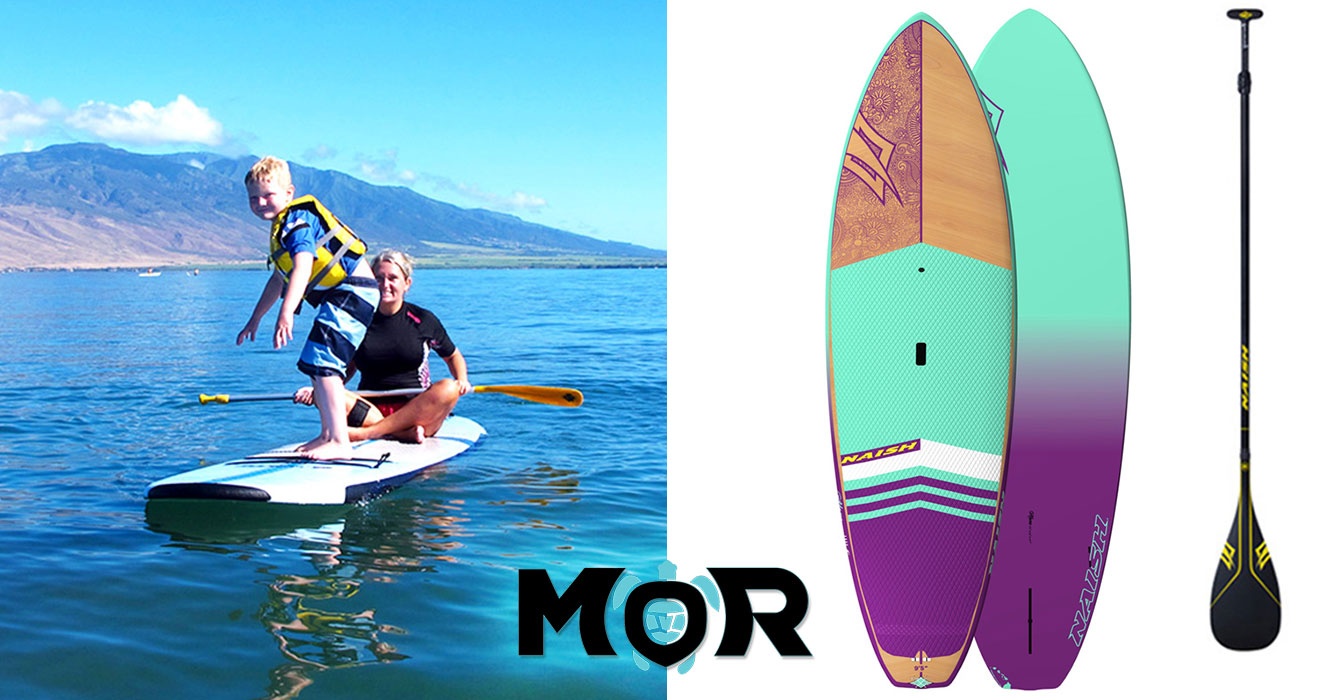
Top SUP Adventures in Paʻaʻa, Hawaii
Paʻaʻa SUP Guide

Top SUP Adventures in Paʻaʻa, Hawaii

Paʻaʻa is a stand‑out place to stand up: sheltered coves, reef‑guarded channels, and glassy mornings make this small Hawaiian coastal hub ideal for SUP paddlers of all stripes. From serene flatwater tours past native wetland birds to adrenaline‑tinged downwind runs on seasonal trade winds, Paʻaʻa offers an approachable yet varied paddling palette that pairs easily with snorkeling, coastal hikes, and cultural site visits.

Protected BaysReef PassagesCoastal Wetlands

Live destination inventory

Top SUP Trips in Paʻaʻa

38 trips · Book with confidence · Instant confirmation

The prototype intentionally does not invent replacement trip cards or add images that are not already part of the live source page.

The city from the water

Why Paʻaʻa Is a Standout SUP Destination

There’s a particular silence just before sunrise in Paʻaʻa—the ocean surface takes on the tone of polished basalt and the reef outlines look like brushstrokes beneath your board. Stand on that stillness and you’re immediately reminded why stand‑up paddleboarding has become the favored way to experience this coastline. Paʻaʻa’s shoreline is a stitched composition of shallow reef flats, protected coves, and a handful of deeper channels that funnel wind and swell in predictable ways. That combination creates an unusually broad playground: sheltered paddles that are perfect for first timers and families; guided ecology tours that thread mangrove edges and seabird roosts; and, when the trade winds set in, open‑water runs that reward timing and technique. What separates Paʻaʻa from many other Hawaiian launch points is accessibility layered with diversity. You can be on a flat, waist‑deep bay learning balance and stroke mechanics in the morning, then, by late afternoon and with local guidance, progress to a reef pass or downwind run that introduces current reading and wave negotiation. The reef is both stage and teacher—its shallow garden protects bays from the ocean’s long fetch while its channels create small, manageable windows of current for practicing sweep strokes, ferry glides, and short surf entries. Cultural touchpoints dot the coastline; local families still fish from traditional spots and taro patches inland speak to a landscape where water is livelihood as much as playground. Respect for that living shoreline—keeping distance from reef, following local launching norms, and using reef‑safe sunscreen—is woven into the paddling etiquette here. From a practical planning view, Paʻaʻa rewards a seasonally aware approach. Mornings are reliably calm most of the year, and glassy dawn sessions often produce the best photo light and wildlife encounters. Trade winds, strongest in summer months, are superb for downwinders but require experience or a guide; winter swells can make exposed stretches more challenging. Rent locally if you don’t want to manage logistics—shops here provide stable beginner boards, inflatable touring rigs, or high‑volume all‑around boards for mixed groups, and offer lessons tailored to reef etiquette and tide reading. For paddlers intent on combining activities, the shorelines around Paʻaʻa lend themselves to natural pairings: a snorkeling stop in a protected pocket to check the reef life, a short coastal hike to a lookout, or a wetland birdwatching pause near the estuary. In short, Paʻaʻa isn’t just a place to learn to SUP—it’s a layered coastal classroom. It’s where technique meets place: where paddlers refine balance and strategy against a backdrop of lava‑edged shorelines, where local history and conservation concerns shape the route you choose, and where every outing can be scaled to skill and appetite. Whether you seek quiet mornings among reef flats or a salty, wind‑charged afternoon run, Paʻaʻa’s water invites both patience and progression.

The reef systems create a natural progression for skill development—from flat sheltered bays to reef passes and occasional surfable shore breaks—allowing paddlers to expand skills in one day with a guide or instructor.

Local operators emphasize conservation: reef‑safe practices, reef‑respectful launching, and understanding tidal flows are standard parts of lessons and tours.

Activity focus

Choose by purpose

Whale watching, snorkeling, sunset sailing, cultural canoeing, harbor sightseeing, or private chartering.

Departure hubs

Start near the city

Waikiki and Honolulu Harbor are primary hubs, with some trips launching near Hanauma Bay.

Accessibility

Confirm the vessel

Gangways, shaded seating, and boarding requirements vary according to vessel size and operator.

Seasonal planning

Best Time to Visit

Paʻaʻa is warm year-round, but wind, swell, migration, visibility, and demand change the best match between traveler and trip.

Paʻaʻa boat tour
Year-round destination

Seasonal highlights change the reason to go

Winter favors humpback encounters; warmer, calmer months favor snorkeling visibility and smoother water.

Humpback season

Summer trade‑wind months draw more guided tours and day visitors to popular launch sites.

Prime whale watching, winter holidays, higher demand, and earlier sell-outs.

Snorkeling window

April–May–June–September–October

Typically gentler seas and clearer water for snorkeling trips.

Weather notes

Trade winds year-round

Mornings tend to be calmer and glassy year‑round; trade winds build most reliably in late spring and summer creating stronger afternoon winds and better downwind conditions. Winter can bring larger swells to exposed points—great for experienced paddlers but less predictable for sheltered‑bay outings.

Quieter opportunities

Late spring & summer weekdays

Shoulder seasons (spring and fall) offer quieter waters and excellent wildlife viewing; winter mornings can still be calm for sheltered launches, and experienced paddlers can access surf breaks with appropriate skill.

Match the trip to your comfort

Choose Your Experience Level

Low effort

Beginner

Flat, protected bays and shallow reef flats ideal for learning balance, basic strokes, and turning. Calm mornings provide the best conditions.

  • Glass‑flat bay introductory lesson
  • Short family coastal paddle to a sheltered cove
  • Guided ecology tour of mangrove edges
Active day trip

Intermediate

Longer touring routes, reef‑pass entries, and short downwind runs that require current reading and confident turning in variable conditions.

  • Reef‑pass navigation session with an instructor
  • Half‑day coastal tour combining snorkeling and paddling
  • Tide‑timed estuary and birdwatching paddle
Longer or technical

Advanced

Downwind runs, exposed point crossings, and surf‑style paddle entries that require strong paddling fitness, wave judgment, and familiarity with local conditions.

  • Open‑water downwinder timed to trade winds
  • Point‑to‑point coastal traverse with surf entry
  • Advanced reef‑pass drills and surf SUP sessions

Prepare for sun, spray, and swell

What to Bring

Essential

Core kit

  • Personal flotation device (PFD) or confirm rental provides one
  • Leash appropriate to board type
  • Reef‑safe sunscreen and sun protection (hat, UV shirt)
  • Water and electrolyte snacks
  • Light dry bag or phone safety case
Recommended

Useful extras

  • Water shoes or neoprene booties for rocky launches and shallow reef exits
  • Small first‑aid kit and basic repair kit if using your own board
  • UV‑blocking sunglasses with retainer
  • Compact hand pump (for inflatables) and patch kit
Optional

Trip-specific

  • Binoculars for birdwatching near estuaries
  • Underwater camera for reef photos
  • Light wind layer for cooler mornings or gusty afternoons
Always check local tide and wind reports, speak with a rental shop or lifeguard about current conditions, and be mindful of cultural sites and marine conservation rules.

Insider Tips & Local Knowledge

Reserve whale-watching and popular sunset cruises well ahead during December–April.
Choose morning snorkeling departures for calmer seas and better underwater visibility.
For motion sensitivity, choose a larger vessel, sit mid-ship, and take preventative medication before boarding.
Do not touch coral or wildlife, avoid standing on reefs, and use reef-safe sunscreen.
Community-based operators may add context about traditional navigation and stewardship.
Arrive early for parking and check-in because Waikiki departure areas can be busy.

Planning questions

Frequently Asked Questions

No—many sheltered bays are suitable for independent beginners—but hiring a local guide is strongly recommended for reef passes, downwind runs, or if you’re unfamiliar with local tides and currents.
Top SUP Adventures in Paʻaʻa, Hawaii
Ready for your sup adventure?

Browse 38 verified trips in Paʻaʻa.

Compare current availability and book with instant confirmation.

Explore Paʻaʻa sup