Why Oxford, New Jersey Works for Air Activities
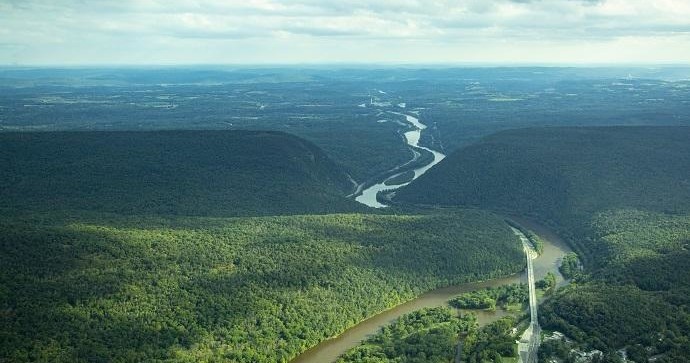
Oxford sits where rolling agricultural fields meet the low spine of the Skylands, and that meeting of open valley and gentle ridge creates a surprisingly generous canvas for flying. Mornings here often bake out into stable layers before daytime thermals break up the air, which is why you will see early launches—hot-air balloons and light-aircraft sightseeing flights—taking advantage of glassy dawn conditions. From above, the pattern of hedgerows, farm ponds, and the sinuous line of the Musconetcong and Delaware rivers reads like a living map of rural New Jersey, and the scale is intimate: you feel close enough to pick out the geometry of crop rows, church steeples, and historic stone walls.
There is a practical logic to Oxford for air activities. It is far enough from major metropolitan airspace to avoid heavy traffic controls, but near enough to regional airports and flight operators to make short, scenic sorties viable. The varied terrain—open valley floors, low forested ridges, and river corridors—means pilots can craft different flight profiles: slow, low-elevation balloon drifts that emphasize landscape detail; fixed-wing circuits that frame the surrounding ridgelines and distant Appalachian foothills; and training or introductory ultralight experiences that thrive where fields provide easy launch and recovery zones. This diversity lets travelers choose the mood of their flight: contemplative and slow, technical and instructional, or brisk and photographic.
Beyond technique, flying in and above Oxford is a cultural slice of a region that blends agricultural heritage and outdoor recreation. The countryside you pass over has been shaped by generations of farmers, stone masons, and small-town communities—features that reward aerial attention with textures that change through the seasons. In fall, the corridor of trees and pastures flashes with color; in spring the valley smells of new growth; in winter the clarity of light uncovers contours you barely notice from the road. Environmental stewardship is a constant undercurrent: pilots here are accustomed to working around migration corridors, nesting seasons, and private farmland, and reputable operators prioritize low-impact landings and preflight communication with landowners. That means your aerial adventure in Oxford is both a sensory experience and a practice in responsible recreation.
If you are planning a trip, think like a pilot: aim for early-morning windows for calmer air, expect schedule adjustments tied to wind and visibility, and choose operators who brief thoroughly on local landing zones and weather contingency plans. Arrive with warm layers even in summer—exposed heights and mornings off the ground are colder than the valley floor—and allow a half-day for the experience to include pick-up, safety briefings, and post-flight debriefs. The compact nature of Oxford also makes it easy to pair your flight with complementary activities: a riverside paddle after a late-morning landing, a hike along a nearby ridge, or a stop at a farmstand for seasonal produce. In short, Oxford gives you the satisfying mix of small-town calm and the dramatic scale change that only a good airborne perspective can provide.
Operators in the Oxford area tend to run seasonal schedules keyed to stable weather windows: spring and fall mornings are prized for clarity and manageable winds. Summers can offer spectacular views but also more thermals and the potential for afternoon cancellations, while winter flights are available on clear, cold days when airspace and operator policies allow.
Air activities here are often short in duration but high in payoff—30- to 60-minute flights deliver broad visual narratives over farms, rivers, and ridgelines. Because many takeoffs and landings happen on private fields, expect operators to coordinate recovery logistics and give clear preflight instructions about access and timing.
Choose by purpose
Whale watching, snorkeling, sunset sailing, cultural canoeing, harbor sightseeing, or private chartering.
Start near the city
Waikiki and Honolulu Harbor are primary hubs, with some trips launching near Hanauma Bay.
Confirm the vessel
Gangways, shaded seating, and boarding requirements vary according to vessel size and operator.