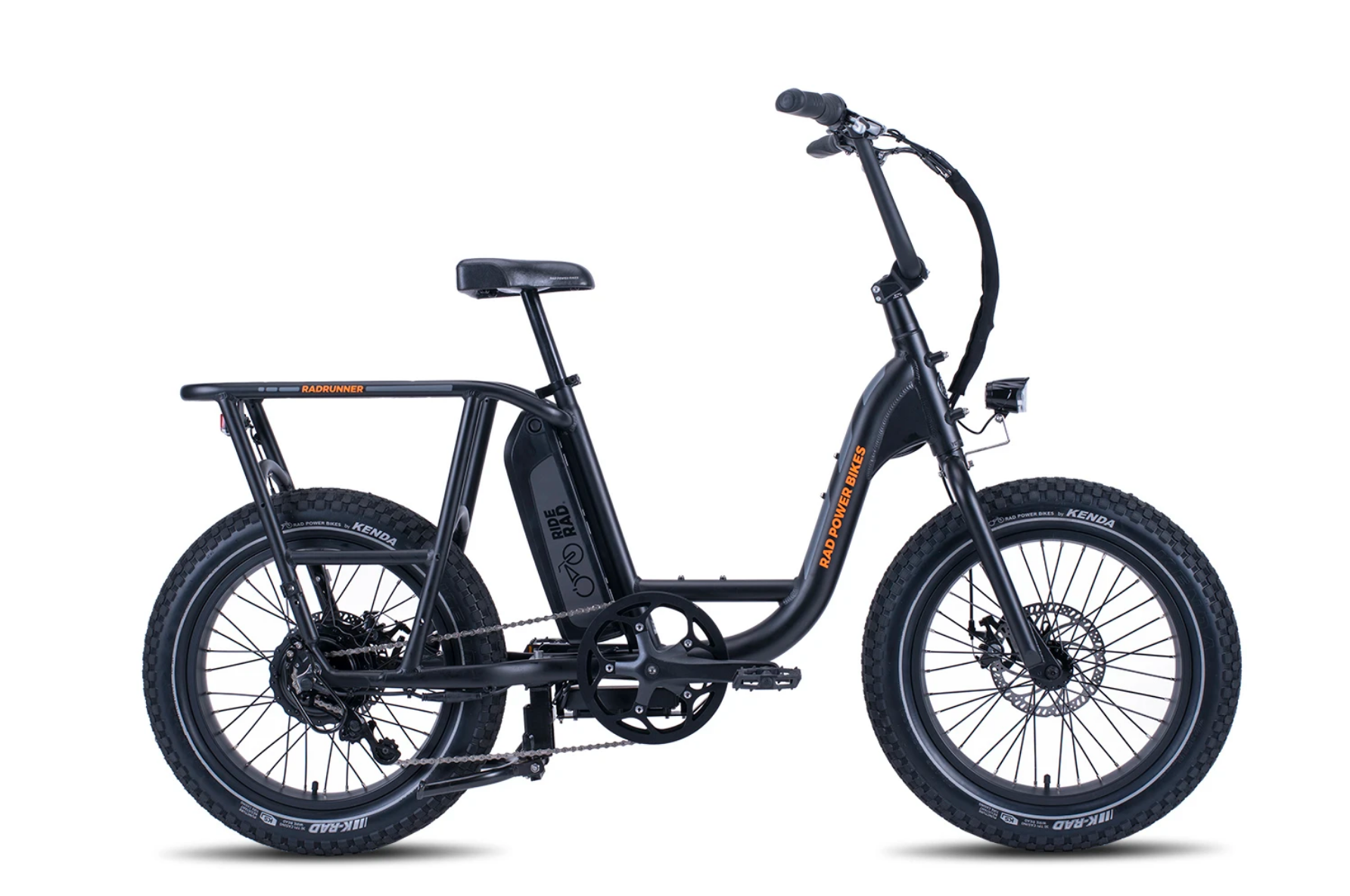
Millbrae’s scale is its superpower for e-bike travelers: compact neighborhoods, a walkable downtown, and immediate access to multi-use trails make it a low-friction place to get rolling. The town sits where the low-gradient Bay shoreline meets the first ridges of the Peninsula, meaning riders can tailor efforts from casual flats along tidal wetlands to steep but short climbs that reward with sweeping views of the Bay. E-bikes transform the local experience by smoothing those transitions — what might be a sweaty, high-effort climb on a conventional bike becomes a manageable sprint that leaves energy for exploring farther-flung segments.
Beyond practical range extension, Millbrae plugs into a dense network of sanctioned bike infrastructure. The San Francisco Bay Trail runs nearby, offering mileage along protected paths with frequent access points and interpretive marshland overlooks; quieter residential connectors create low-traffic options for families and mixed-ability groups. For riders wanting more drama, the Skyline corridors and Crystal Springs area present steeper grades and rural scenery once you cross into the coastal hills — perfect for using motor assist selectively to conserve battery for long descents and return legs.
Culture and logistics matter: Millbrae’s transit links — Caltrain, BART connections nearby, and regional bus service — let e-bikers pair rides with public transit (check e-bike class rules before boarding). Local shops and rental operations in the greater Peninsula region support battery swaps, repairs, and advice on legal access. Seasonality is forgiving: mild winters keep most routes rideable, while summer fog can cool mornings and obscure vistas. Ride choices hinge on your tolerance for wind, the need for charging or battery management, and whether you prefer curated loops or point-to-point runs that use transit or car shuttles to return.
E-bikes are especially useful here because they let riders combine low-stress family outings on flat paths with longer exploratory loops into coastal or reservoir landscapes that would otherwise require a car or extensive fitness.
Respect for shared-path etiquette and local regulations keeps everyone safe: many bayfront and park paths are multi-use, so use moderate speeds near pedestrians, yield when required, and check municipal rules for Class 3 e-bike restrictions on certain paths or in parklands.
Choose by purpose
Whale watching, snorkeling, sunset sailing, cultural canoeing, harbor sightseeing, or private chartering.
Start near the city
Waikiki and Honolulu Harbor are primary hubs, with some trips launching near Hanauma Bay.
Confirm the vessel
Gangways, shaded seating, and boarding requirements vary according to vessel size and operator.