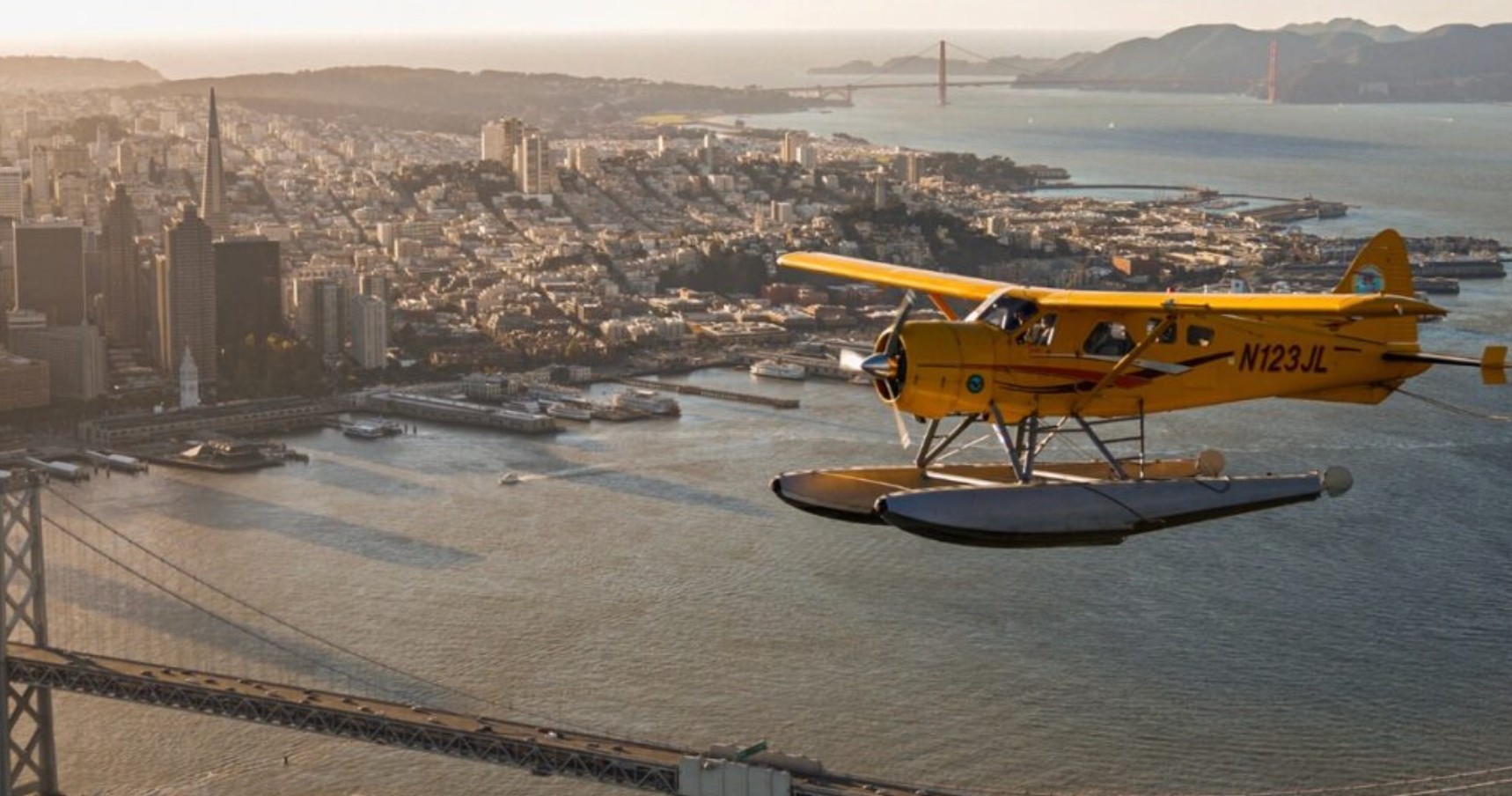
Top 18 Airplane Adventures in Millbrae, California
Millbrae Airplane Guide

Top 18 Airplane Adventures in Millbrae, California

Millbrae sits at the edge of one of the country’s busiest airports, where jetliners carve low, cinematic approaches over the peninsula and small planes practice touch-and-go patterns nearby. This guide unpacks airplane-focused experiences around Millbrae—spotting, flightseeing, introductory lessons, and the practicalities of photographing and accessing dynamic airspace—so travelers can plan memorable, safe encounters with aviation in a suburban-Bay Area setting.

San Francisco International Airport (SFO) approachesMillbrae Bluff & Bayside ParksBurlingame Shoreline & San Bruno Mountain

Live destination inventory

Top Airplane Trips in Millbrae

18 trips · Book with confidence · Instant confirmation

The prototype intentionally does not invent replacement trip cards or add images that are not already part of the live source page.

The city from the water

Why Millbrae Is a Special Place for Airplane Experiences

Millbrae occupies a rare vantage between suburban calm and constant motion: the town’s streets and parks frame arrivals and departures from San Francisco International Airport in a way that invites close observation. For anyone who loves the mechanical poetry of flight—the low rumble of a jumbo descending against a fog-swept shoreline, the nimble silhouette of a training Cessna tracing a pattern over a nearby field—this is a practical playground. The proximity to SFO means planes are visible throughout the day; prevailing winds, runway rotations, and seasonal weather change the tone of each outing so no two visits feel the same. This is not just spectacle. Millbrae’s airplane experiences sit at the intersection of infrastructure, landscape, and community. The shoreline and bluff parks provide safe public viewing opportunities where you can feel the low-pressure wash of landing jets while standing on coastal grasses or a paved promenade. Nearby aviation services offer ways to translate curiosity into hands-on experience—book an introductory flight, sit in on a discovery lesson, or schedule a flightseeing tour for an aerial perspective that reframes familiar landmarks. The experience is deliberately tactile: binoculars, camera, and a comfortable chair unlock hours of observation and conversation with fellow spotters. At times the activity spills into complementary outings—walk the Bayside trail after a morning of landings, combine a late-afternoon spotting session with a sunset hike on San Bruno Mountain, or pair a discovery flight with a scenic drive down Skyline Boulevard. Practical considerations shape how you plan. Runway use is wind-dependent, so certain spots that host dramatic low approaches one day may be quieter the next; check NOTAMS and local runway information if you’re chasing a specific approach or airline. Noise is part of the package—bring ear protection for long sessions—and the Bay’s microclimate adds another layer: mornings can be crisp and fog-bound, while late afternoons clear for golden light. Access is straightforward by car, and Millbrae’s transit hub (Caltrain and BART connections) makes it easy to reach from across the Bay without the headache of airport parking. Above all, airplane adventures here are as much about patience as they are about precision. A successful day is one that balances timing, vantage selection, and respect for operational boundaries. With the right preparation, Millbrae becomes more than a waypoint; it’s a small urban theater where the choreography of flight plays out in high resolution.

Close proximity to SFO means frequent, varied aircraft types—widebodies to regional jets—making each visit rich for spotting and photography.

Public parks and shoreline paths provide safe, legal viewing sites; organized flights and discovery lessons nearby let curious travelers step into the cockpit.

The harbor is the gateway, and the Pacific becomes the classroom.

Microclimates and runway rotations affect what you’ll see: check local airport advisories and plan sessions around predicted wind and visibility.

Activity focus

Choose by purpose

Whale watching, snorkeling, sunset sailing, cultural canoeing, harbor sightseeing, or private chartering.

Departure hubs

Start near the city

Waikiki and Honolulu Harbor are primary hubs, with some trips launching near Hanauma Bay.

Accessibility

Confirm the vessel

Gangways, shaded seating, and boarding requirements vary according to vessel size and operator.

Seasonal planning

Best Time to Visit

Millbrae is warm year-round, but wind, swell, migration, visibility, and demand change the best match between traveler and trip.

Millbrae boat tour
Year-round destination

Seasonal highlights change the reason to go

Winter favors humpback encounters; warmer, calmer months favor snorkeling visibility and smoother water.

Humpback season

Late summer through early autumn offers the most consistent visibility and calmer coastal conditions for photography.

Prime whale watching, winter holidays, higher demand, and earlier sell-outs.

Snorkeling window

May–June–September–October

Typically gentler seas and clearer water for snorkeling trips.

Weather notes

Trade winds year-round

Millbrae’s coastal location produces cool temperatures, marine layer/fog in late spring and early summer mornings, and clearer afternoons in late summer and fall. Wind direction determines runway assignments and therefore approach paths; summer afternoon sea breezes often bring clearer skies and better light.

Quieter opportunities

Late spring & summer weekdays

Winter mornings can produce dramatic low cloud bases and moody light—less predictable but striking for atmospheric imagery. Weekdays outside peak holiday travel can be quieter for undisturbed spotting.

Match the trip to your comfort

Choose Your Experience Level

Low effort

Beginner

Casual plane spotting from public parks and waterfront paths—low commitment, great for families and first-time spotters.

  • Bayside park viewing session
  • Short walk along the shoreline to watch arrivals
  • Sunset spotting with binoculars and snacks
Active day trip

Intermediate

Combines organized flightseeing tours, guided spotting meetups, and longer photo sessions requiring better gear and patience.

  • 90-minute flightseeing tour over the Bay
  • Guided spotter meetup with local enthusiasts
  • Half-day photography session focusing on approaches and golden hour
Longer or technical

Advanced

Hands-on aviation experiences like discovery flights, pilot training lessons, or long-form aeronautical photography requiring permissions and specialized equipment.

  • Introductory pilot discovery flight (dual instruction)
  • Advanced low-light aviation photography session with long lenses
  • Coordinated flights or charters for aerial filmmaking (via licensed operators)

Prepare for sun, spray, and swell

What to Bring

Essential

Core kit

  • Binoculars or a telephoto lens (200–400mm recommended for photography)
  • Camera with fast shutter or mirrorless + spare batteries
  • Ear protection (over-ear or high-quality earplugs) for prolonged sessions
  • Layered clothing for coastal wind and fog
  • Transit fare or parking change, plus water and snacks
Recommended

Useful extras

  • Light folding chair or stadium seat for long waits
  • Tripod or monopod for stable long-lens shots
  • Field notebook or spotting app to log aircraft and runways
  • UV filter and lens cleaning kit (coastal air can be gritty)
Optional

Trip-specific

  • Spotting scope for registration-plate reading
  • Compact weather radio or aviation app for runway updates
  • Small umbrella or windbreaker for sudden squalls
  • Portable phone charger
Respect operational boundaries, watch for changing runway patterns, and pack for wind and noise.

Insider Tips & Local Knowledge

Reserve whale-watching and popular sunset cruises well ahead during December–April.
Choose morning snorkeling departures for calmer seas and better underwater visibility.
For motion sensitivity, choose a larger vessel, sit mid-ship, and take preventative medication before boarding.
Do not touch coral or wildlife, avoid standing on reefs, and use reef-safe sunscreen.
Community-based operators may add context about traditional navigation and stewardship.
Arrive early for parking and check-in because Waikiki departure areas can be busy.

Planning questions

Frequently Asked Questions

Yes. Several bayside parks and bluff paths provide legal, public vantage points for observing aircraft. Stick to established trails, viewing platforms, and public waterfront access; do not trespass on airport property or restricted areas.
Top 18 Airplane Adventures in Millbrae, California
Ready for your airplane adventure?

Browse 18 verified trips in Millbrae.

Compare current availability and book with instant confirmation.

Explore Millbrae airplane