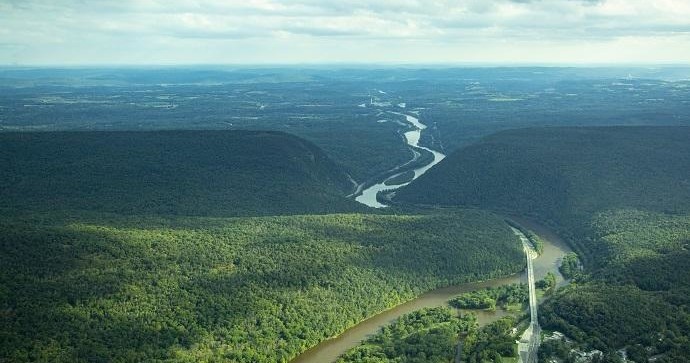
The air above Lafayette reads like a layered landscape: a blue bowl of sky, a stitched patchwork of fields and woodlots, and a sharp spine where the Kittatinny Ridge catches thermals and low cloud. For aviators and passengers alike this combination is a practical advantage—clear ridge lift for paragliders, long open valleys for ultralights and gyrocopters, and predictable early-morning calm that balloon pilots prize. Launch sites are typically small and community-led: farm fields, roadside clearings, or managed grass strips where pilots collaborate with landowners and local clubs. That cooperative local culture extends to businesses based in nearby Sussex County and Warren County that offer tandem experiences, training, and scenic rides.
What makes Lafayette distinct from big metropolitan air-tour hubs is scale and intimacy. Commercial helicopter tours fly over sprawling cities; here, the narrative is personal—your pilot explaining ridge-side thermals, pointing out the dark band of the Paulins Kill, or easing a basket to the field while cattle look on. That intimacy also shapes the safety and logistics: most air providers in the area are small operations with seasonal schedules and strict weather windows. In practice that means planning around dawn or dusk flights and building flexibility into itineraries. Many air activities pair naturally with land-based exploration—arrive for a sunrise balloon and spend the afternoon on a High Point trail; take a tandem paraglide and follow with river paddling downstream. Because Lafayette sits near several public parks and open agricultural land, the vistas from any airborne vantage feel agricultural and ancestral rather than urbanized; you see patchwork farms, stone walls, and ridgelines older than the towns themselves.
Environmental stewardship is also part of the story. Responsible operators prioritize low-impact takeoffs and landings, seek permission for private fields, and work to minimize disturbance to nesting birds and raptors that hunt the same thermals. Weather-wise, early spring and fall deliver crisper, more stable morning air; summer afternoons build stronger thermals that are fun for experienced pilots but can curtail tandem or balloon flights. Winter brings clear visibility but often too much wind or frozen ground that limits field operations. For travelers, the key planning currency is flexibility: keep an open schedule for rebooked flights, prioritize morning slots, and communicate closely with operators about weight, health, and comfort concerns. With that preparation, Lafayette’s small-air scene rewards visitors with quiet panoramas and the rare pleasure of flying close to story-rich landscapes rather than over anonymous gridlines.
Air activities here lean toward small-scale, outfit-driven operations—tandem paragliding, hot-air balloon rides at dawn, scenic helicopter sorties from nearby airfields, and ultralight or gyrocopter experiences that use the valley corridors and ridge lift.
Seasonality and weather windows are decisive: operators prefer calm morning or evening conditions; thermals in midday and stronger winter winds often restrict flights.
The harbor is the gateway, and the Pacific becomes the classroom.
Complementary adventures—trail hikes, fishing the Paulins Kill, microbrewery stops—pair naturally with air outings for a full-day experience.
Choose by purpose
Whale watching, snorkeling, sunset sailing, cultural canoeing, harbor sightseeing, or private chartering.
Start near the city
Waikiki and Honolulu Harbor are primary hubs, with some trips launching near Hanauma Bay.
Confirm the vessel
Gangways, shaded seating, and boarding requirements vary according to vessel size and operator.