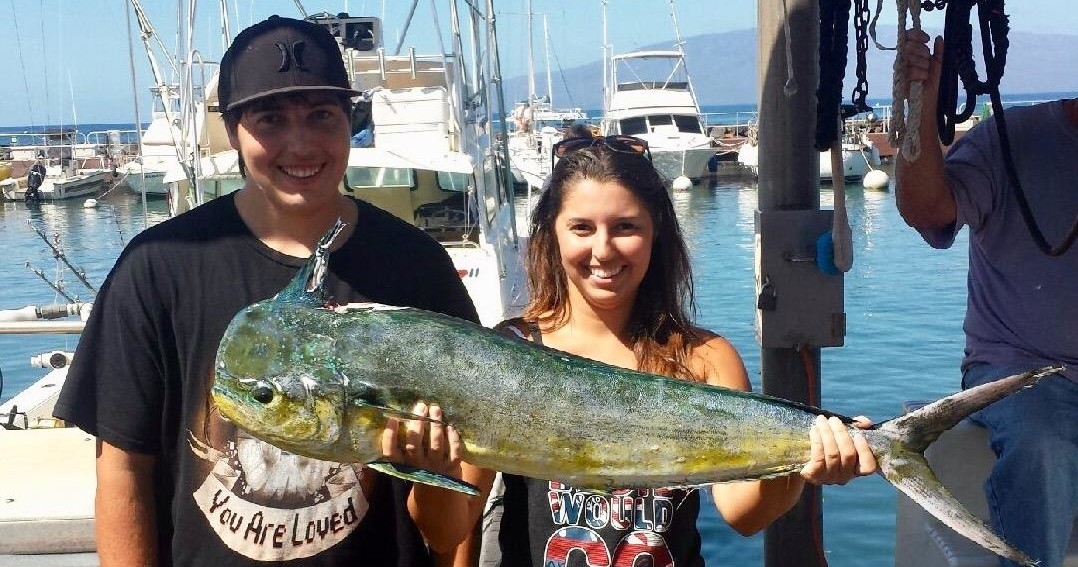
Fishing in Keaʻau, Hawaii — Shorelines, Reefs & Offshore Charters

Keaʻau, Hawaii

Perched on the verdant flanks of Hawaii Island, Keaʻau is a quiet launching point for a fishing experience that folds reef flats, black-sand shoreline casts, and pelagic runs into one compact region. From dawn surf casts for ulua in shallow coastal channels to full-day charters tracking ahi and mahi offshore, the waters near Keaʻau serve anglers of varied appetites. This guide focuses on the real work and the reward of fishing here: reading volcanic coastline, respecting fragile reef systems, timing the trade winds, and pairing an angling day with snorkeling, tidepool exploration, or a post-fish meal at a local market.

6
Activities
Year-round (seasonal species peaks)
Best Months

Top Fishing Trips in Keaʻau

6 trips • Book with confidence • Instant confirmation

Why Keaʻau Works for Anglers

Keaʻau’s appeal to anglers is immediate and tactile: a coastline carved by lava, reefs that sculpt calm pockets among pounding surf, and easy access to deeper water not far from shore. Fishing here isn't a single scene; it’s a set of shifting vignettes. Before sunrise you can be on a seaside lava bench casting jig or bait toward reef channels that concentrate gamefish, then by midmorning join a small-boat charter out of nearby harbors searching for fast-moving pelagic schools. The volcanic geology that created the black-sand coves also creates structure beneath the waves—ledges, drop-offs and underwater pinnacles where fish congregate.

There’s a cultural layer to the experience. Local fishermen and fishpond traditions on Hawaii Island emphasize seasonal knowledge and respect for ocean resources; conversations with community anglers, tackle shops or charter captains often yield the best pointers on safe spots and sustainable practices. Keaʻau itself is understated, which works in an angler’s favor: fewer crowds, quieter ramps and an easy transition from a day on the water to a simple shore-side barbecue. But the region also demands humility—the ocean conditions can alter quickly, and reef systems are both productive and fragile. Successful fishing in Keaʻau blends patience, a sense of place, and a readiness to adapt to wind, swell and tide.

From a planning perspective, Keaʻau is practical. The town sits within reach of Hilo’s services and launches, yet it opens onto quieter southern and eastern exposures favored by certain species. Anglers can tailor a trip: shore-based intertidal foraging and light tackle casts for reef species; kayak or SUP fishing around protected bays; or booking a half- or full-day offshore charter for tuna, wahoo and mahi-mahi. Complementary activities—snorkeling healthy reef stretches, hiking old lava flows, or visiting local farmers markets—make for balanced travel days that center fishing without exhausting it. For those who value ethical angling, Keaʻau and the broader Puna coast offer meaningful lessons in fisheries stewardship: know the seasonal rules, release selectively, and favor local expertise when targeting larger or protected species.

A compact range of environments—reef flats, sheltered coves, and quick access to open water—lets anglers chase multiple species in a single day.

Local knowledge is invaluable: talk to tackle shops in Hilo or Puna-area guides for up-to-date conditions and legal closures.

Pairing a fishing day with snorkeling or tidepooling deepens appreciation for the marine environment and underscores why sustainable practices matter.

Activity focus: Saltwater fishing — shore, reef, and offshore
Number of matching local trips: 6
Species commonly targeted: reef fish, bottom species, and offshore pelagics (seasonal)
Access points: small boat ramps and rocky shore launches near Keaʻau and Hilo
Regulations and protected areas: local rules and marine sanctuaries may apply

Best Time to Visit

Best Months

AprilMayJuneJulyAugustSeptemberOctober

Weather Notes

Hawaii Island benefits from relatively stable tropical weather, but local trade winds, passing squalls and occasional swell can change conditions quickly. Mornings are often calmer; afternoons can see stronger winds. Offshore conditions improve for pelagic runs in calmer sea states—charters monitor wind and swell closely.

Peak Season

Late spring through early fall often brings more consistent opportunities for pelagic species; reef and shore fishing remain accessible year-round.

Off-Season Opportunities

Winter months can still produce good bottom fishing and offer quieter access to ramps and shores. Always check swell forecasts before planning shore or small-boat outings.

Frequently Asked Questions

Do I need a fishing license or permit to fish near Keaʻau?

Regulations can vary by species and protected area. Consult Hawaii Department of Land and Natural Resources and local charter operators for current rules and restricted zones. Many recreational saltwater activities are locally permitted but bag limits, size limits and special protections may apply.

Where are the best launch points for small boats or shore fishing?

Keaʻau provides access to nearby rocky shoreline pockets and beaches; for formal ramps and charter departures, Hilo Harbor and small harbors along the Puna coast are common. Local tackle shops and charters will advise on safe launch points depending on wind and tide.

Is it safe to fish from the lava benches and black-sand beaches?

Lava benches and rocky shorelines are productive but can be hazardous—sneaker waves, slippery algae and sudden swells are real risks. Wear grippy footwear, never turn your back on the ocean, and avoid exposed cliffs during high surf.

Choose Your Experience Level

Beginner

Shore and reef-edge fishing from protected coves, short guided half-days, and light-tackle experiences suitable for families and first-time anglers.

  • Morning shore cast at a protected beach
  • Half-day reef fishing with a local guide
  • Tidepool exploration and light tackle practice

Intermediate

Trips that require basic knowledge of tides, reef structure, and boat etiquette—perfect for anglers comfortable with casting from rocky points or joining a small-boat outing.

  • Kayak or SUP fishing around a calm bay
  • Full-day inshore/nearshore charters targeting reef and bottom species
  • Evening shore sessions for feeding coastal species

Advanced

Offshore trolling, fast-pitch jigging and tactical runs for pelagic species that require heavier gear, boat handling skills, and experience reading open-ocean conditions.

  • Full-day offshore charter for tuna, wahoo and mahi-mahi
  • Targeted jigging on deep-water pinnacles
  • Long-range trips requiring sea-kindness and advanced tackle

Insider Tips & Local Knowledge

Respect local rules, fragile reef systems, and changing ocean conditions—ask before you fish private ramps or culturally significant shoreline areas.

Start early: mornings are often calmer and fish are active near rising light. Build relationships with local shops and captains—word-of-mouth on seasonal bites and safe launch windows is invaluable. Favor reef-safe sunscreen and handle undersized or protected fish carefully; many local anglers practice selective release to protect breeding stocks. If you plan to cook your catch, know local rules on species and size limits and consider using local community markets or shore-side facilities for cleaning. Finally, leave time in your itinerary for complementary activities—snorkeling the same reef that holds fish, hiking nearby lava flows to reset after a long day on the water, or sampling island-grown produce—these touches turn a day of fishing into a fuller island experience.

What to Bring

Essential

  • Tackle for the expected venue (light spinning for reef/shore; heavier gear for offshore)
  • Personal flotation device if launching by kayak or joining a small-boat trip
  • Sun protection: wide-brim hat, reef-safe sunscreen, polarized sunglasses
  • Quick-dry clothing and a waterproof shell for spray or sudden showers
  • Plenty of water and high-energy snacks

Recommended

  • Basic first-aid kit including seasickness remedies
  • Landing net and fillet knife (pack in checked luggage or bought locally if traveling by air)
  • Small cooler with ice for the catch
  • Local tide chart and a marine VHF or charged phone in waterproof case

Optional

  • Lightweight rod and reel for shore casting if you’ll explore beaches
  • Underwater camera or mask for post-fish snorkeling
  • Multi-tool for quick tackle repairs

Ready for Your Fishing Adventure?

Browse 6 verified trips in Keaʻau with instant booking

Explore Top 15 Keaʻau, Hawaii Adventures →