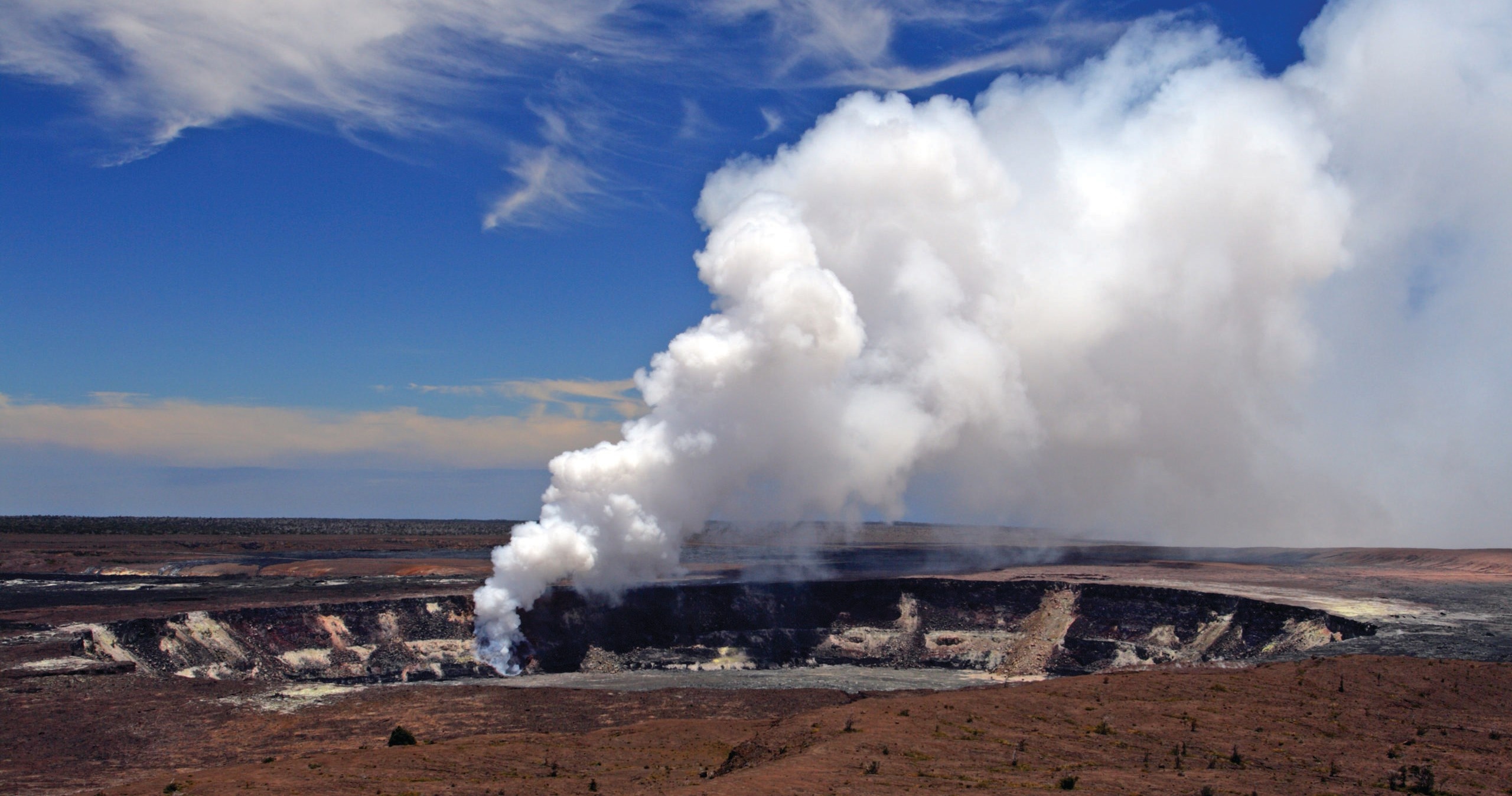
Perched on Hawaiʻi Island’s east flank, Keaʻau functions less like a single town and more like a staging ground — a practical, low-key starting point for experiencing the island’s most elemental features. What makes bus tours here so compelling is their ability to fold distance and local knowledge into a single, comfortable package: one vehicle can ferry you from humid lowland gardens to the windswept rim of Kīlauea, from lava-scarred coastline to roadside stands selling the season’s mangoes and kona coffee. That contrast—immediate, stark, and often bewilderingly beautiful—defines the trip. On a single morning you can pass through neighborhoods where taro grows in sheltered gulches and by the time the sun drops you can be watching the coastline glow orange where fresh flows meet the ocean (when conditions allow).
The terrain around Keaʻau is dramatic but variable: young pahoehoe and ʻaʻā flows, broad agricultural flats, and pockets of dense tropical forest. Roads snake through these changes, and that’s where guided buses shine. Drivers and guides read the landscape in real time—adjusting schedules around park closures, vog (volcanic smog), and ocean conditions, and pivoting to scenic alternates when viewing is limited. For travelers who want to focus on photography, geology, or a calm, interpretive experience that foregrounds local history and Hawaiian cultural context, bus tours deliver layered storytelling—why a particular lava bench formed, how native and immigrant communities adapted to the island’s soil, and what sacred sites mean to kupuna (elders) and cultural practitioners today.
Beyond the core volcanic narrative, Keaʻau tours tend to weave in excellent complementary experiences. Short coastal walks let you feel the trade winds and inspect tidepools; quick hikes into native forest reveal endemic birds and orchids; botanical tour add-ons highlight ethnobotany and agroforestry. For adventurous travelers, many operators coordinate multi-modal combos—bus-to-boat lava viewing (where permitted), heli transfers for aerial perspective, or guided hikes that begin with a shuttle drop and end with a comfortable ride back. This mix makes Keaʻau uniquely flexible: it’s ideal if you have a single day to sample the island’s extremes, or if you’re building a longer, layered Hawaiʻi itinerary that combines bus tours with snorkeling, waterfall hikes, and cultural site visits.
Accessibility is a core advantage: bus tours reduce the stress of navigation on variable island roads and eliminate the risk of driving unfamiliar routes after long travel days. Many companies offer wheelchair-accessible vehicles and small-group vans for more intimate experiences.
Local guides bridge science and story—interpreting volcanic processes, explaining land stewardship and cultural protocols, and pointing out flora and fauna that casual passersby might miss.
The harbor is the gateway, and the Pacific becomes the classroom.
Seasonality affects what you see: vog, ocean conditions, and park access can change rapidly, so tours that emphasize flexibility and real-time planning offer the best odds of a meaningful experience.
Choose by purpose
Whale watching, snorkeling, sunset sailing, cultural canoeing, harbor sightseeing, or private chartering.
Start near the city
Waikiki and Honolulu Harbor are primary hubs, with some trips launching near Hanauma Bay.
Confirm the vessel
Gangways, shaded seating, and boarding requirements vary according to vessel size and operator.