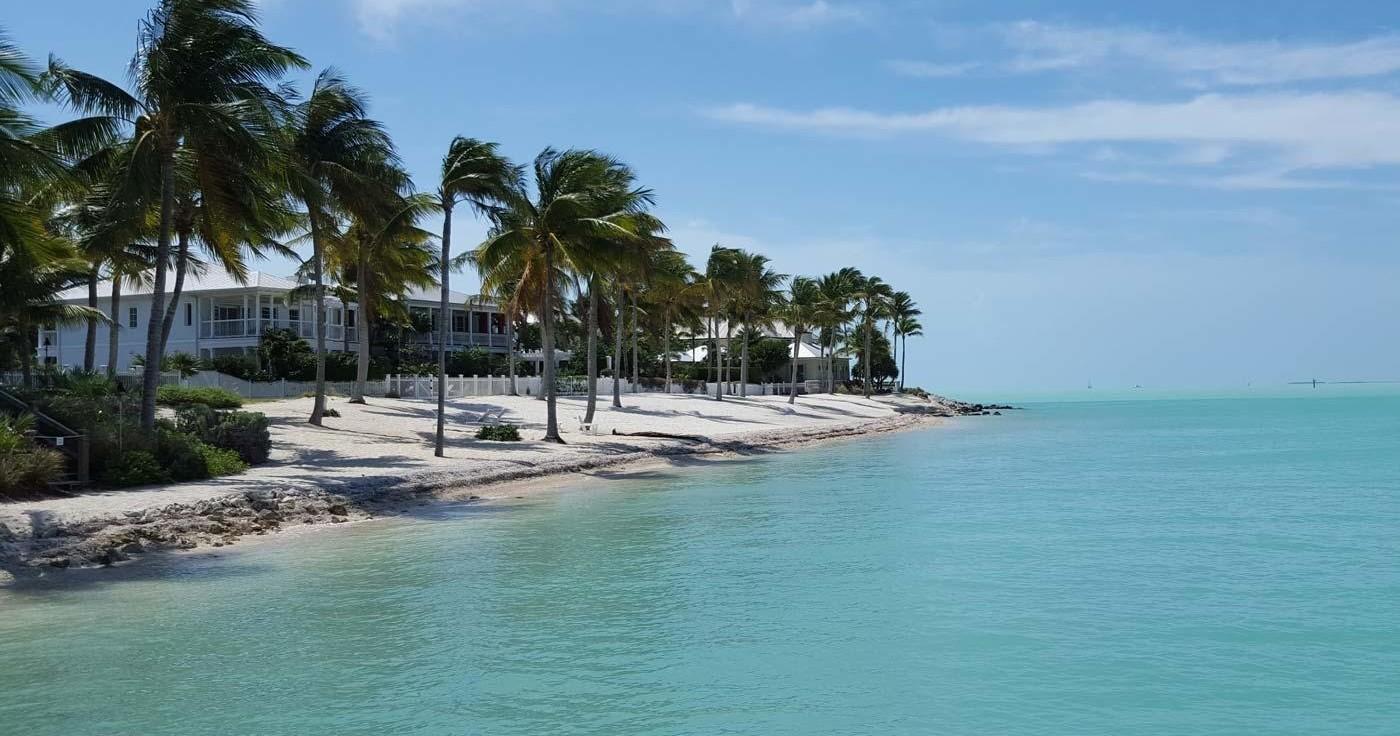
Why Hallandale Beach Is a Standout Snorkel Destination
Located between Fort Lauderdale and Miami, Hallandale Beach offers a low-barrier entry to South Florida’s subtropical underwater world. The coastline here is modest in scale but generous in variety: shallow sand flats that warm quickly with the sun, scattered limestone ledges, and nearshore artificial structure that attracts schooling fish and curious ray species. For travelers who value short drives and long snorkeling windows, Hallandale is the sort of place where you can slip into the water with a simple mask-and-snorkel setup, see meaningful marine life on a half-day outing, and still be back in time for a late-afternoon beach walk or waterfront dinner.
The local waterway geometry—protected bays, a managed beachfront, and nearby Atlantic reef tracts—creates multiple micro-conditions that benefit snorkelers of differing comfort levels. On calm mornings, visibility improves and tidal currents slacken, revealing intricate patterns of coral, sponge, and seagrass. When easterly breezes pick up, the same seasonally shifting currents can bring schools of baitfish and the larger predators that follow them, offering dramatic, if more advanced, viewing opportunities. Unlike remote tropical islands where long boat rides are the norm, Hallandale’s snorkeling often begins from shore or a short boat hop. That accessibility makes it an ideal destination for families, weekenders, and first-time snorkelers looking to combine aquatic exploration with other easily accessible coastal activities like stand-up paddleboarding, guided shallow-water dives, or a quick offshore charter to deeper reefs.
Environmental context matters here. The nearshore environment is influenced by coastal development, runoff, and seasonal storms, all of which shape water clarity and marine life patterns. Local conservation efforts and reef-friendly visitor practices are therefore part of the equation: using reef-safe sunscreen, avoiding contact with corals, and following wildlife guidelines pays dividends for both the experience and the ecosystem. Seasonal rhythms—calmer fall and winter water, warmer summers with afternoon thunder showers, and hurricane season risk—affect when visibility peaks and which species are most commonly seen. Practical planning—checking local sea and weather reports, timing visits for mid-morning slack tides, and selecting sheltered coves on windy days—elevates a good snorkeling day into a memorable one. In short, Hallandale Beach is less about remote seascapes and more about efficient, high-reward snorkeling that slots neatly into a coastal vacation focused on ease, variety, and reliable nearshore marine encounters.
Short shore entries make Hallandale ideal for families and new snorkelers; deeper reef encounters typically require a brief boat ride.
Visibility and marine life concentration vary with season and weather—slack tides and calm mornings often produce the clearest water.
Choose by purpose
Whale watching, snorkeling, sunset sailing, cultural canoeing, harbor sightseeing, or private chartering.
Start near the city
Waikiki and Honolulu Harbor are primary hubs, with some trips launching near Hanauma Bay.
Confirm the vessel
Gangways, shaded seating, and boarding requirements vary according to vessel size and operator.