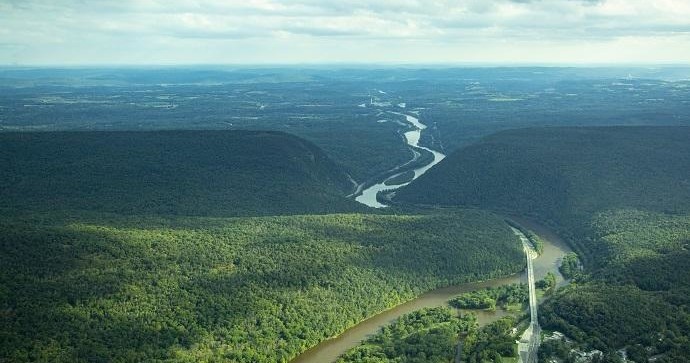
Why Easton Works for Air Activities
Easton occupies a distinctive niche for air-based adventures: its scale is human, its landscape varied, and its airshed forgiving. At the confluence of two rivers and framed by rolling farmland and low ridgelines, the town offers scenes that read beautifully from above—meandering waterways, patchwork agricultural fields, linear rail corridors, and the compact sweep of a historic downtown. Flying here has a different mood than over big-mountain country; it’s quiet, domestic, and unexpectedly intimate. A hot-air balloon ascending at first light does not climb to alpine altitudes, but it gains something more valuable: context. The way sunlight skims brick storefronts, how morning mist clings to the river, the geometry of levees and bridges—these are the details that turn a short flight into a deeply memorable slice of place.
Practical geography is what makes Easton accessible. Operators can launch and recover within short drives of town, which keeps excursions efficient for travelers with limited time. Early-morning windows—when winds are light and thermals minimal—are the bread-and-butter of ballooning and light-aircraft sightseeing here; pilots and operators typically plan flights to match those calm hours. Helicopter and small fixed-wing tours, when available, supply a complementary visual grammar: where a balloon offers placid lateral drift, a helicopter gives agile, directional views of the river corridor, and a small plane stretches that perspective into a broader regional sweep.
The activity mix in Easton tends to favor experiential accessibility over extreme sports. Tandem paragliding and ultralight flights can be found within a regional radius, though they’re more niche and seasonal. For most visitors—couples seeking a serene sunrise balloon, families looking for a short aerial sightseeing trip, or photographers chasing a unique vantage—Easton’s air activities strike a useful balance between spectacle and comfort. The modest terrain also means shorter ground transfers, easier logistics around weather, and a lower barrier to entry for operators adhering to safety protocols. Environmentally, small-scale flights concentrate impacts more than heavy tourism; operators often coordinate launches to avoid sensitive riparian zones and to land in cultivated fields with permission from landowners.
In short, Easton is not about high-altitude thrills; it’s about perspective. Flights here reframe familiar things—the river, the grid of streets, a factory roofline—into compelling compositions. For travelers who value clarity, a calm morning, and a sense of place conveyed from above, Easton’s air activities deliver a quietly powerful adventure.
The landscape—river corridors, farmland, and low ridges—creates predictable early-morning conditions that operators exploit for reliable ballooning and scenic flights.
Short transfer times from town to launch points make air excursions an easy add-on to a day of food, galleries, and riverside walking in Easton.
The harbor is the gateway, and the Pacific becomes the classroom.
Because most flights are low-to-mid altitude and brief, they’re well suited to travelers who want a high-impact experience without heavy physical demands.
Choose by purpose
Whale watching, snorkeling, sunset sailing, cultural canoeing, harbor sightseeing, or private chartering.
Start near the city
Waikiki and Honolulu Harbor are primary hubs, with some trips launching near Hanauma Bay.
Confirm the vessel
Gangways, shaded seating, and boarding requirements vary according to vessel size and operator.