Why Concord Works for Airplane Adventures
There is a particular hush that falls over a morning airfield just before takeoff: the low, anticipatory rumble of engines, the crust of cool air, and the geometry of runways framed by distant hills. In Concord that hush feels within reach of the everyday traveler. Buchanan Field—Concord’s local airport—is a compact gateway to flights that are intimate in scale but generous in view. Small fixed-wing aircraft lift you above suburban grids, oak-studded slopes, and the sudden elevation of Mount Diablo, turning familiar landscapes into a collage of lines, patterns, and light.
What makes airplane experiences here compelling is their accessibility. You don't need to be a licensed pilot to have an unforgettable aerial morning: discovery flights introduce newcomers to piloting basics and the sensation of true three-dimensional travel, while guided scenic flights provide an interpretive sweep over the Bay, the Delta, and nearby wine country. For photographers and storytellers, the airplane is not just transportation but a platform—one that reveals the geometry of river channels, the checkerboard of agricultural fields, and the shadowed ridgelines that read differently from the ground. For aspiring pilots, Concord's flight schools offer the tangible progression from the first lesson—learning cockpit language and simple maneuvers—to soloing over local landmarks.
Season and weather shape the experience as much as the aircraft type. Spring and fall typically deliver the clearest visibility and the most stable air, making for smooth, scenic flights. Summer mornings can be spectacularly clear before the Bay's marine layer builds, while afternoons sometimes bring increased turbulence as thermals form over heated valleys. Evenings—golden-hour departures—turn the landscape into an ink-and-gold painting where the city and the hills trade silhouettes. Beyond scenery, flights launched from Concord are also exercises in navigating constrained airspace: commercial traffic to and from SFO and OAK, restricted areas, and controlled approaches can affect routing and timing. That operational complexity is part of the appeal for many flyers: the pilot narrates the detours, points out the reasons behind routing choices, and demonstrates how local aviation is an interplay of weather, airspace, and topography.
The airplane experiences available here also riff off the region’s other outdoor offerings. A short flight can serve as a prelude to a hike on Mount Diablo, a reconnaissance pass before a vineyard tour in Napa, or an aerial scouting run for a cycle route through the East Bay hills. Whether you come for the thrill of your first takeoff, the meditative quiet of cruising above suburban sprawl, or the practical lessons of elementary flight training, Concord’s airplane scene rewards curiosity with perspective—both literal and interpretive. Expect practical briefings, a modest amount of preflight paperwork, and a local cadence that balances aviation's safety-first rigor with the easy, exploratory spirit of Bay Area adventuring.
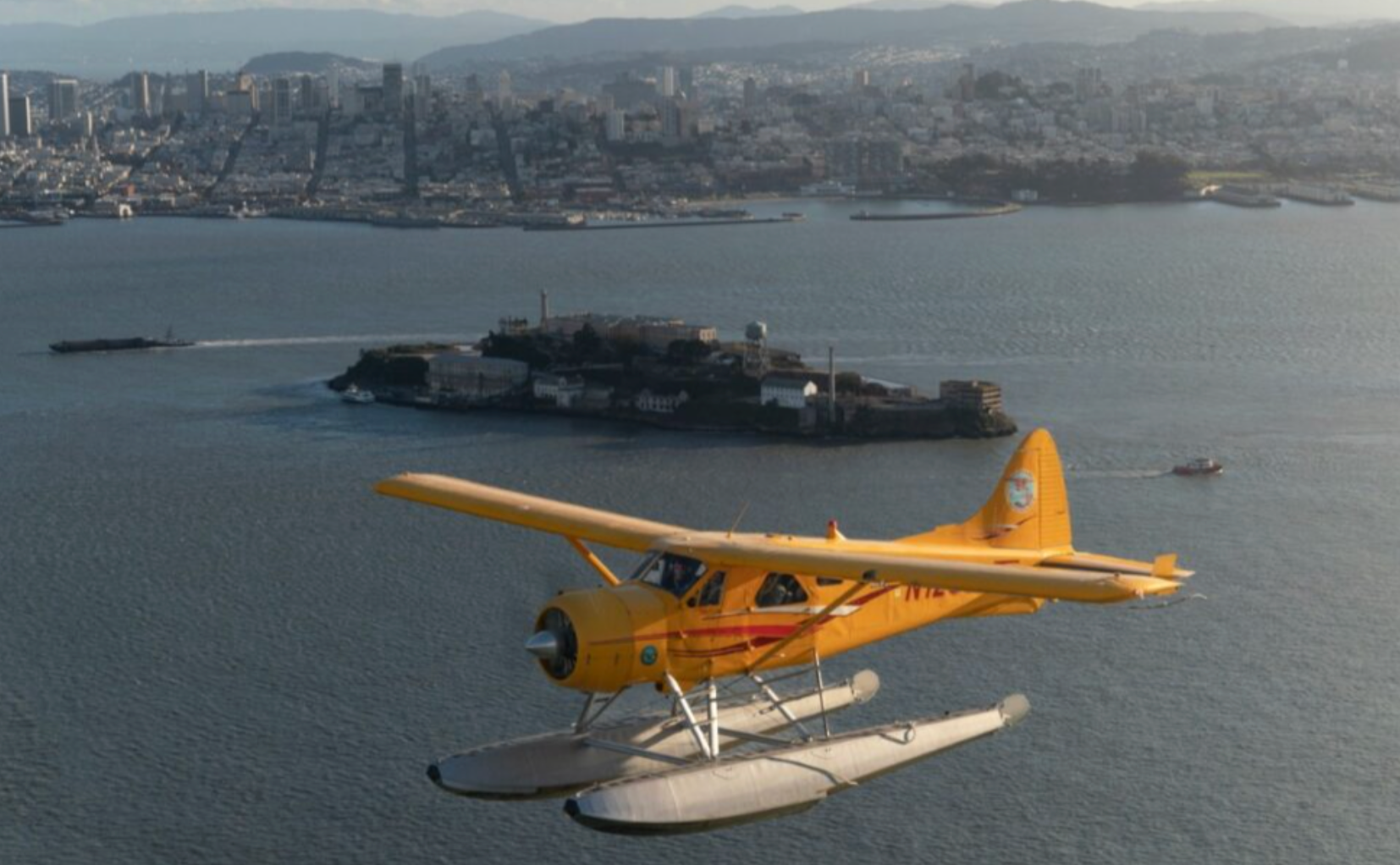
Short scenic flights from Concord showcase Mount Diablo’s distinctive silhouette and panoramic views of the Bay Area—ideal for first-time flyers and photographers seeking golden-hour light.
Discovery flights and introductory lessons are the most common entry point; they offer hands-on time at the controls under instructor supervision and usually last 30–60 minutes.
The harbor is the gateway, and the Pacific becomes the classroom.
Aviation here intersects with other outdoor pursuits: use an aerial tour to orient a hike, plan a wine-country day with an aerial reconnaissance, or pair a morning flight with an afternoon ride in the East Bay hills.
Choose by purpose
Whale watching, snorkeling, sunset sailing, cultural canoeing, harbor sightseeing, or private chartering.
Start near the city
Waikiki and Honolulu Harbor are primary hubs, with some trips launching near Hanauma Bay.
Confirm the vessel
Gangways, shaded seating, and boarding requirements vary according to vessel size and operator.