About this landmark
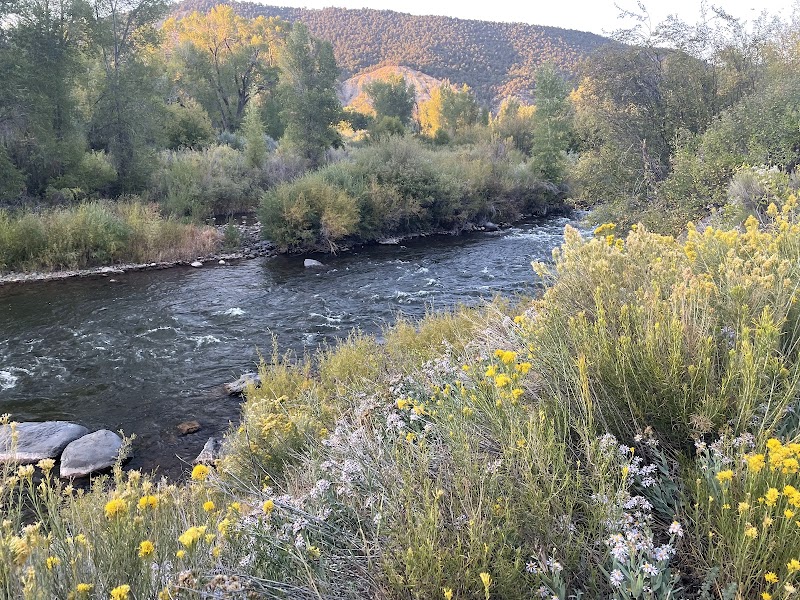
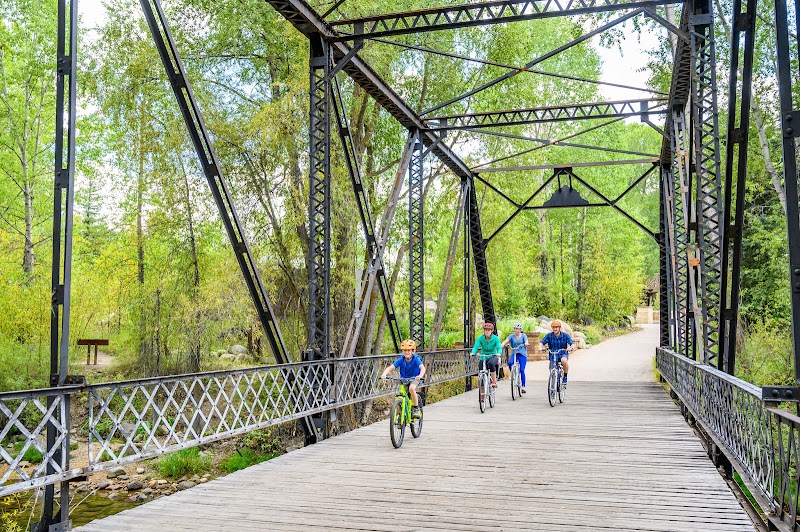
Located in the magnificent landscape of Aspen, Colorado, the Rio Grande Trail is a captivating multi-use trail that stretches over 42 miles, tracing the Roaring Fork River from Aspen to Glenwood Springs. This extraordinary trail weaves through the diverse ecosystems of the Roaring Fork Valley, offering a unique window into Colorado’s breathtaking beauty. Designed for both bikers and pedestrians, the trail provides an accessible way to experience the area's rich nature without the hustle of city life.
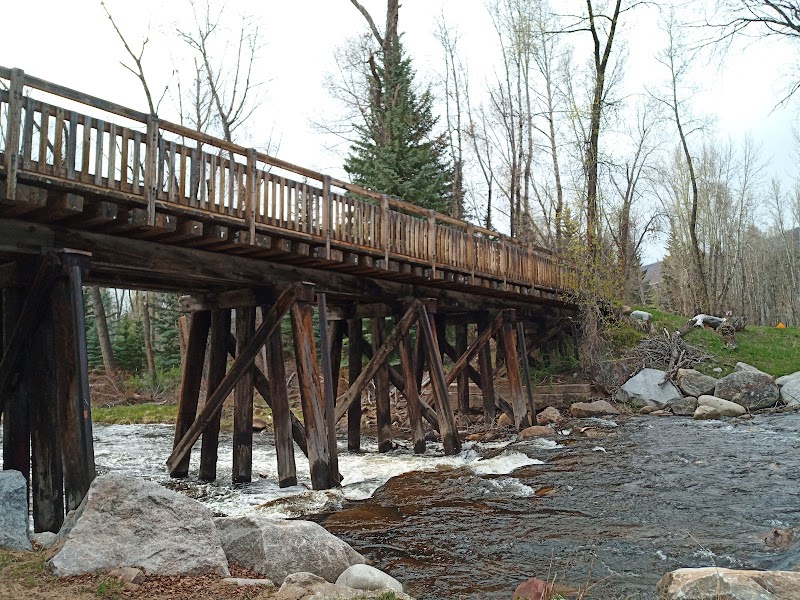
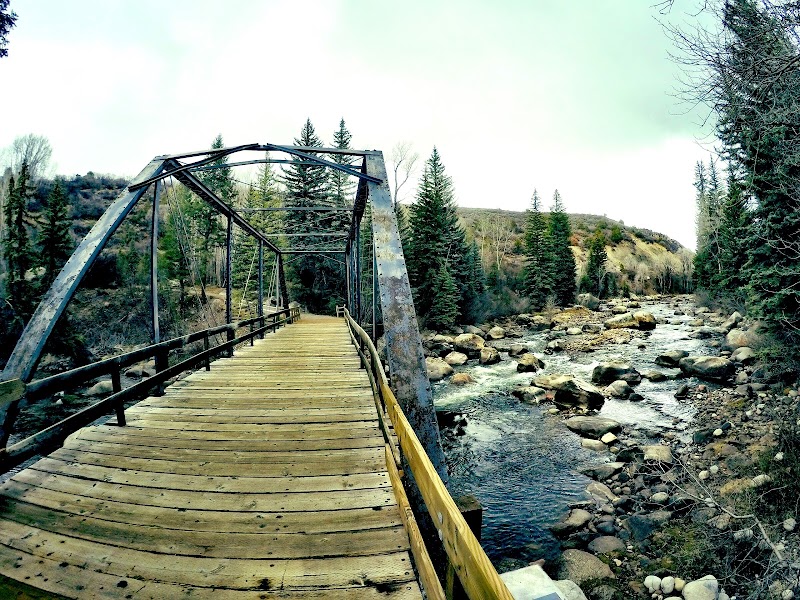
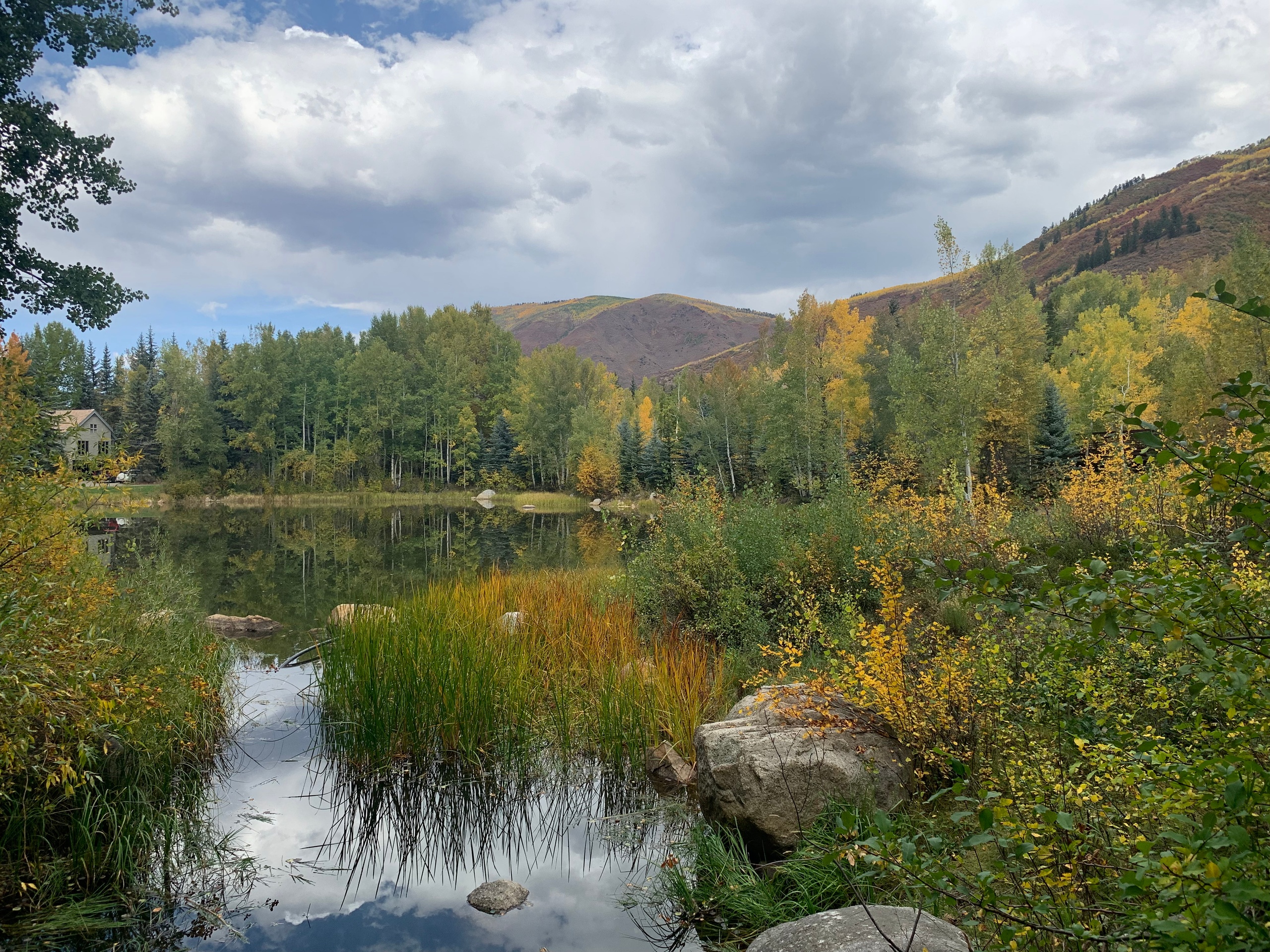
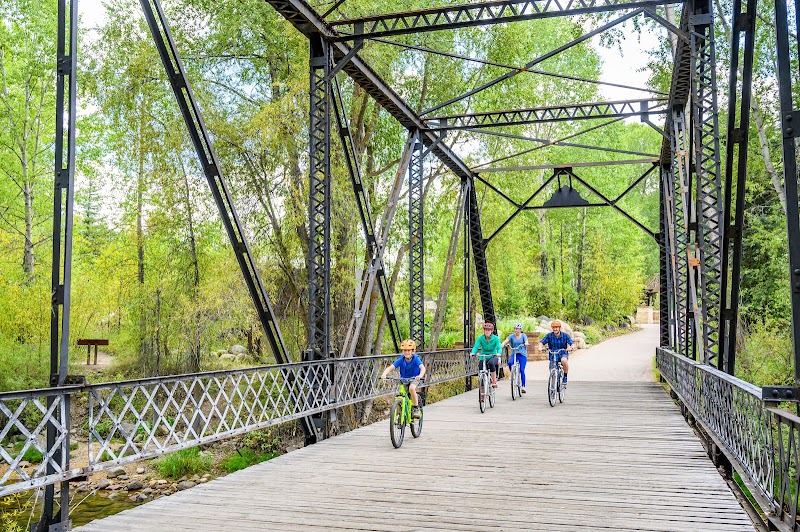
Framed by lush forests and dramatic mountain vistas, the Rio Grande Trail encompasses an impressive array of natural features. Cyclists and hikers alike can enjoy the captivating views of the Rockies, while those keen on wildlife can spot a variety of local fauna, including elk and eagles. Originally a rail line, the trail’s history adds an additional layer of interest, as users traverse bridges and pass through historic towns that hark back to the area’s mining past.
The varying terrain of this trail accommodates all skill levels, making it an ideal destination for families and seasoned athletes alike. Aspen’s culture of outdoor enthusiasm shines through, as the trail acts as a hub for community recreation and wildlife preservation efforts. Whether you’re in for a leisurely stroll or a heart-pumping cycling trip, the Rio Grande Trail stands out as a special outdoor sanctuary in the heart of Colorado.
Adventure Guide
Adventure Guide to Rio Grande Trail
Cycling Through Aspen
- What Makes It Special: The trail offers a seamless biking experience stretching from Aspen to Glenwood Springs, revealing a panorama of towering mountains and vibrant meadows.
- Key Features: Multiple access points, rest areas, and stunning viewpoints.
- Local Insights: Trail was once a railway line, making it both scenic and historically fascinating.
- Visitor Tips:
- Best Times to Visit: Spring through fall for the best weather.
- What to Bring: Bike, helmet, water, sunscreen.
- Directions: Start in Aspen; trailheads are well marked along the route.
Hiking and Wildlife Watching
- What Makes It Special: Ideal for all skill levels; chance to encounter local wildlife such as elk and deer.
- Key Features: Varied landscapes from alpine to forested areas.
- Visitor Tips:
- Best Times to Visit: Early morning or late afternoon for cooler temperatures and wildlife activity.
- What to Bring: Comfortable shoes, binoculars, camera.
Historical Exploration and Scenic Views
- What Makes It Special: Pass through historical sites with interpretive signs.
- Key Features: Old railway bridges, picturesque valleys.
- Visitor Tips:
- Best Times to Visit: Daytime for best visibility.
- What to Bring: Historical guidebook, picnic supplies.
Visitor Tips
- Best Times:Spring and Fall for favorable conditions and optimal lighting.
- What to Bring:Plenty of water, sun protection, a camera, and respectful Leave-No-Trace mindset.