About this landmark
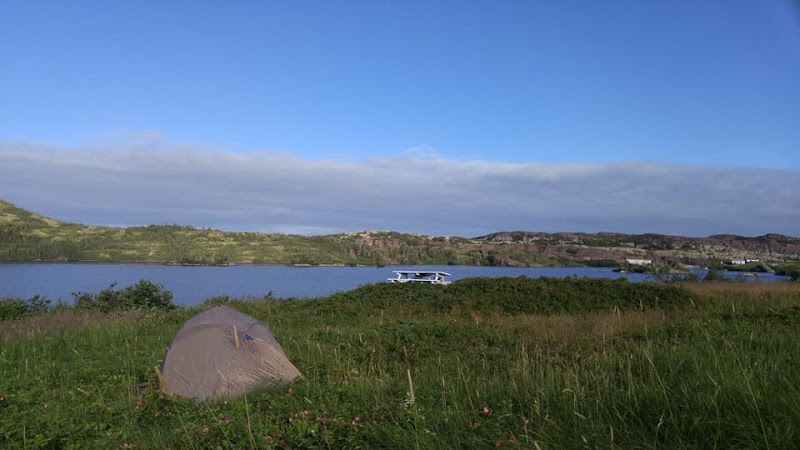
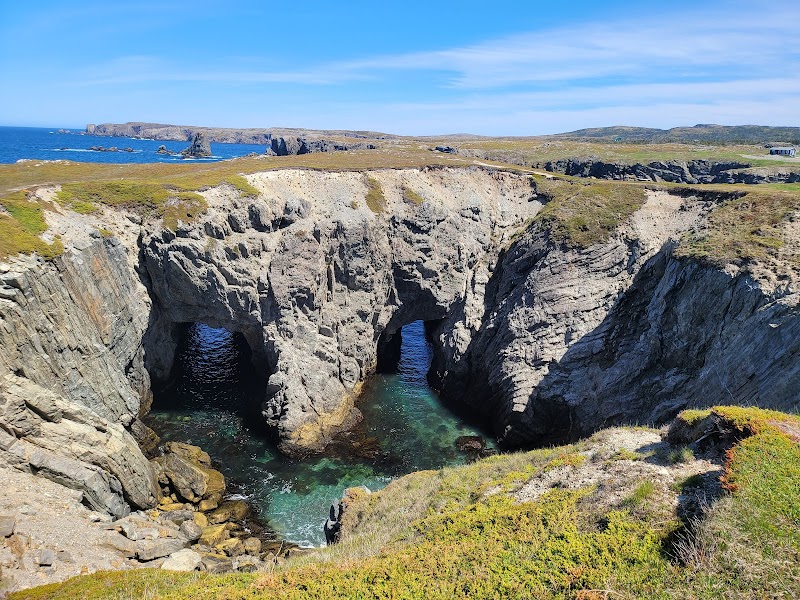
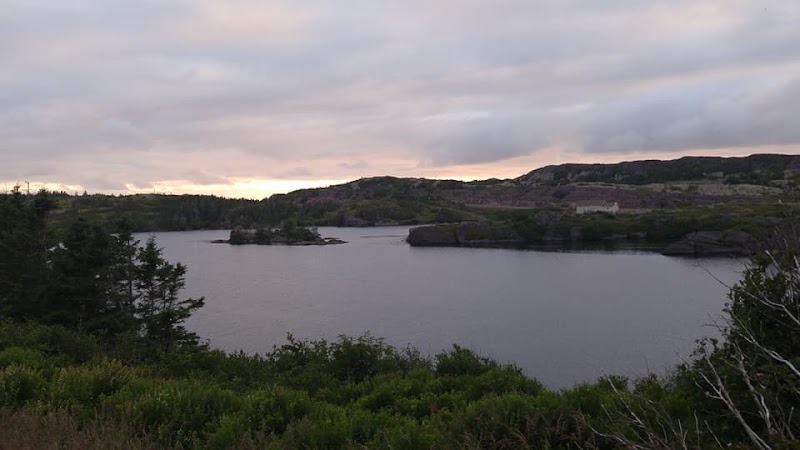
Tickle Cove, located in Newfoundland and Labrador, Canada, offers a serene escape into nature's embrace. Known for its picturesque landscapes, this charming bay area provides a unique glimpse into the rugged beauty of the Atlantic coastline. Surrounded by steep cliffs and lush greenery, Tickle Cove is renowned for its striking red rock formations, the result of ancient geological processes. These rocks create a stunning contrast against the clear blue waters, making it a photographer's paradise.
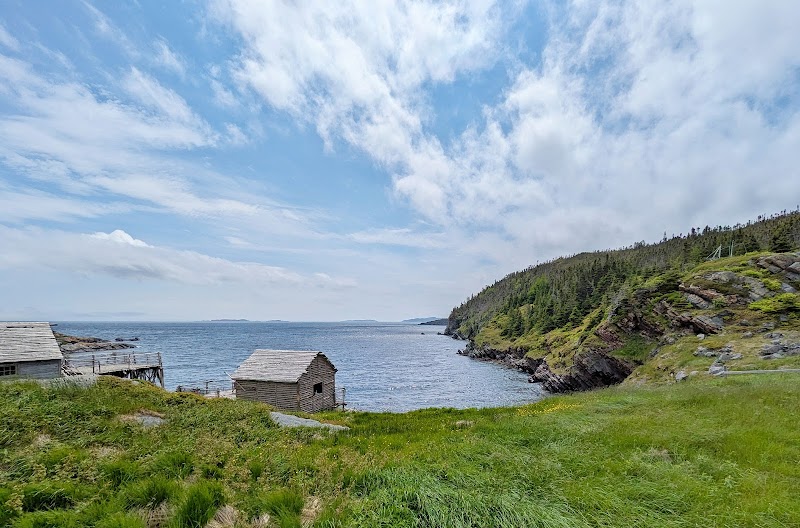
The area is not only visually captivating but also rich in cultural history. Tickle Cove was once an active fishing community, and remnants of its past can still be seen around the region. This site is also steeped in local folklore, with tales of the marine life that once thrived in these waters. Visitors often come to experience the tranquility and solitude that Tickle Cove provides, making it a perfect destination for those seeking relaxation and reflection.
Whether it's a day picnic beside the calm waters or leisurely strolls along the coastline, Tickle Cove embodies a slice of Newfoundland's natural heritage that is both inviting and intriguing. Its unique geological features and serene atmosphere set it apart as a must-visit locale for nature enthusiasts and adventure seekers alike.
Adventure Guide
Adventure Guide to Tickle Cove
Hiking & Coastal Walks
- Location: Tickle Cove, Newfoundland and Labrador
- Highlights: Explore the stunning landscape with trails offering breathtaking views of the cliffs and ocean.
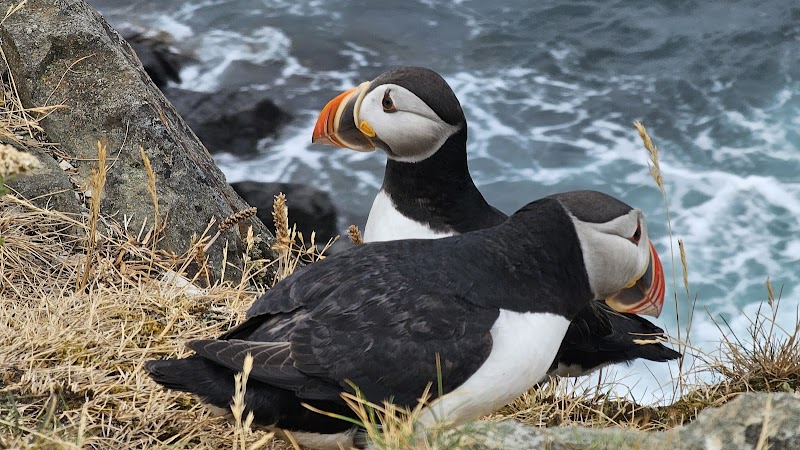
- Features: Look out for red rock formations and diverse wildlife.
- Tips: Best experienced in late spring to early fall; bring hiking boots and a camera.
Kayaking Adventures
- Location: Tickle Cove's coastline
- Highlights: Paddle along the rugged coastline with opportunities to spot sea birds and marine life.
- Features: Perfect for both novices and experienced paddlers.
- Tips: Summer is ideal; always wear a life jacket.
Bird Watching
- Location: Coastal cliffs and forests around Tickle Cove
- Highlights: A haven for bird watchers with various species nesting in the area.
- Features: Binoculars essential; early mornings are best.
- Tips: Visit during migration seasons for a richer experience.
Visitor Information
- Best Times to Visit: Late spring through early fall for ideal weather.
- Travel: Approximately 2 hours by car from St. John's; follow Route 230 to Bonavista Peninsula.
Visitor Tips
- Best Times:Spring and Fall for favorable conditions and optimal lighting.
- What to Bring:Plenty of water, sun protection, a camera, and respectful Leave-No-Trace mindset.