About this landmark
Coastal Wonder at Morro Rock, Morro Bay
Morro Rock: Volcanic Marvel of California’s Central Coast
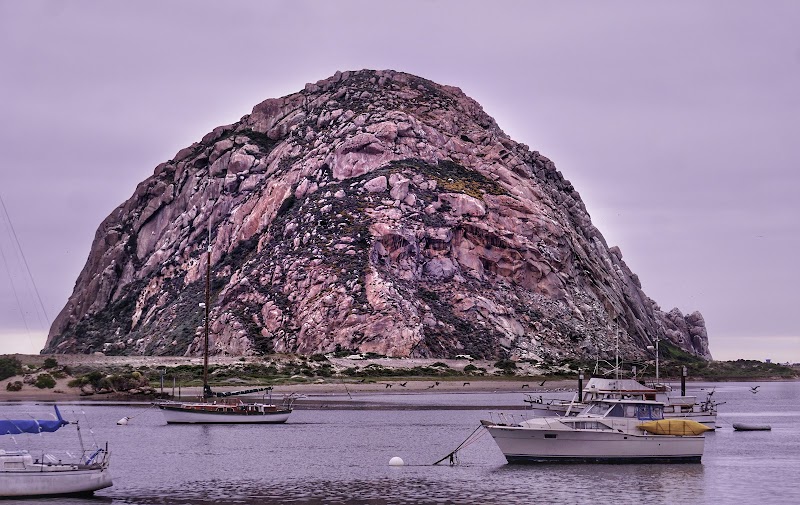
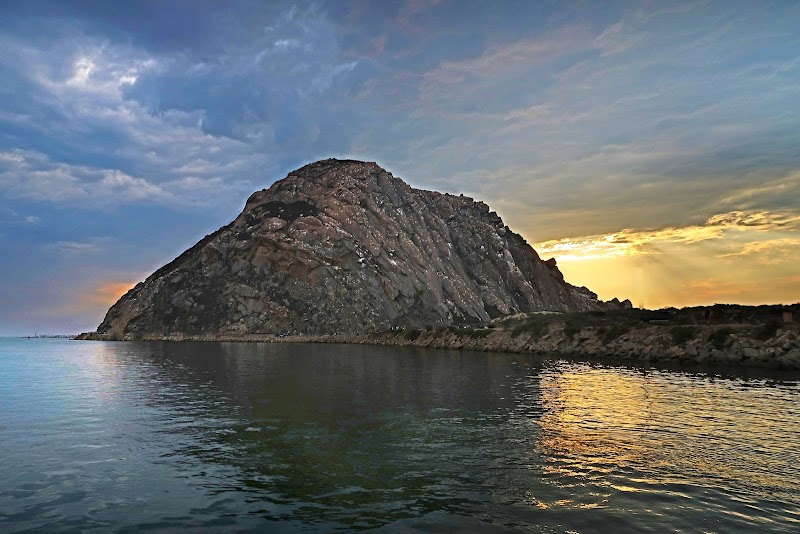
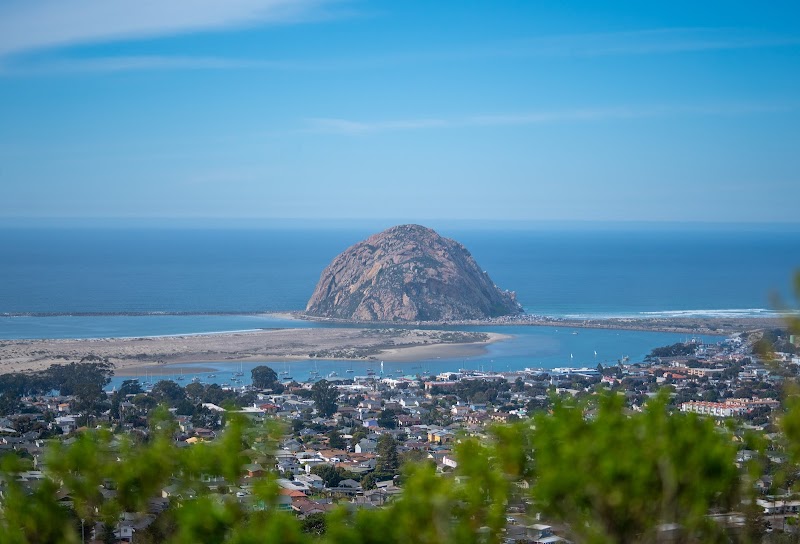
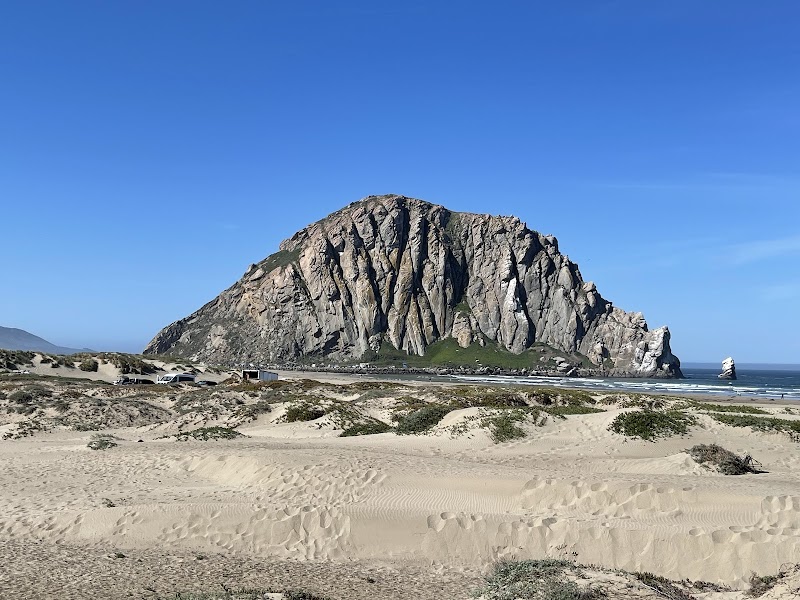
Morro Rock stands proudly along the shores of Morro Bay, California, rising 576 feet as a dramatic volcanic plug formed approximately 23 million years ago. This colossal, steep-sided rock is one of the nine volcanic peaks known as the Nine Sisters that dot this stretch of the Central Coast, making it a striking natural landmark unique to the region. Its almost perfectly rounded shape and rugged faces carved by time invite admiration from visitors and geologists alike.
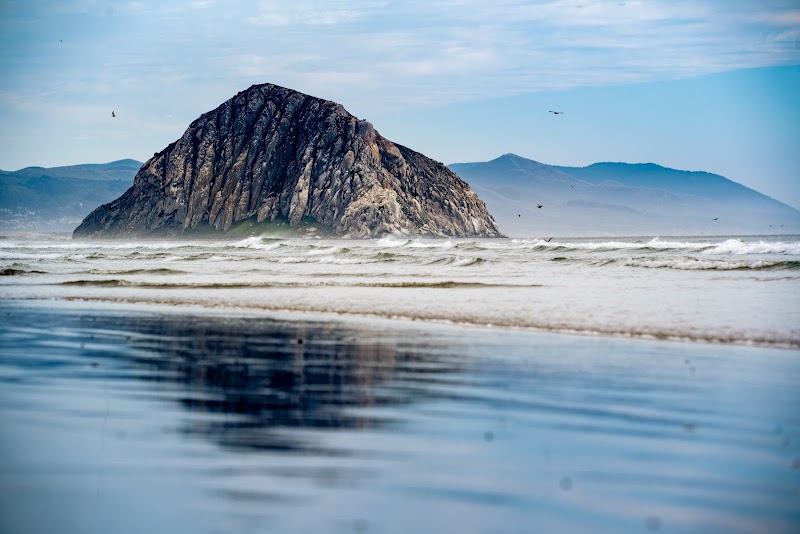
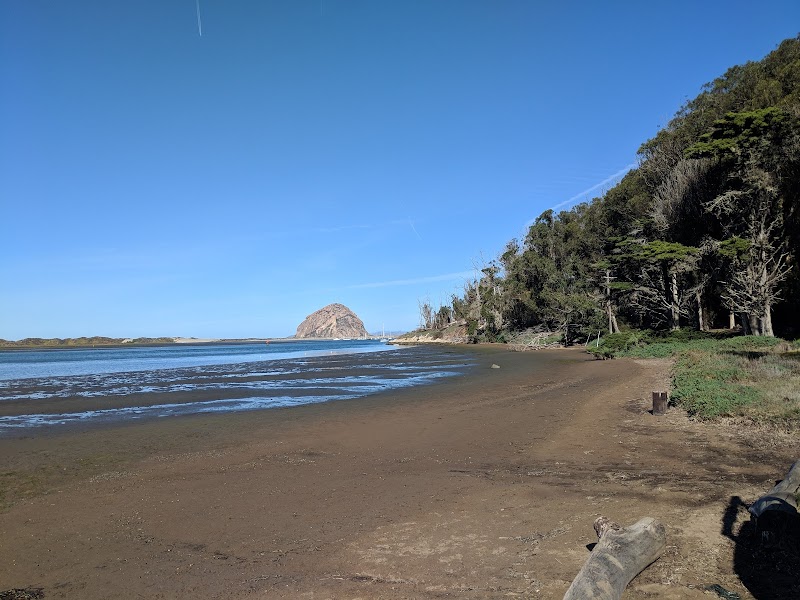
The rock’s geological importance is matched by its role in local culture and wildlife. It serves as a protected sanctuary for peregrine falcons, and the surrounding Morro Bay estuary hosts a wide range of bird species, making the area particularly appealing for bird watchers and nature lovers. Morro Bay's beach below the rock is a favored spot for picnics and oceanfront activities.
Historically significant, Morro Rock was once a key resource for harbor construction, with rock material quarried in the early 20th century before it gained protected status. The rock itself was documented by early Spanish explorers in the late 1700s and has since become a symbol of the region's natural and cultural heritage. It lends a distinctive silhouette to the area’s skyline, offering visitors a perfect blend of natural beauty and historic resonance in a coastal setting.
Whether admiring from the nearby sandy beaches or the Embarcadero's vibrant waterfront, Morro Rock remains an unforgettable natural icon on California’s scenic coastline.
Adventure Guide
Adventure Guide To Morro Rock
1. Coastal Kayaking Near Morro Rock
- What makes it special: Paddle through the calm waters around Morro Bay and get close to the base of Morro Rock, enjoying views from sea level.
- Key features: Kayak rentals and guided tours available; vantage points to spot sea otters, seals, and seabirds.
- Local insights: The calm bay and abundant marine life offer a peaceful yet exciting experience. Early mornings provide the best light and calmest waters.
- Visitor tips: Bring sunscreen, waterproof bags, and layers for changing weather. Booking a guided tour is recommended for beginners.
2. Hiking the Bluff Trail Overlooking Morro Rock
- What makes it special: A short, accessible trail offering panoramic views of the rock, bay, and distant coastline.
- Key features: Easy elevation, benches for resting, interpretive signs about local ecology and geology.
- Local insights: The bluff trail provides excellent photo opportunities and a chance to spot migrating birds during certain seasons.
- Visitor tips: Visit in late afternoon for sunset views and cooler temperatures. Wear comfortable walking shoes and bring water.
3. Beachcombing and Wildlife Watching at Morro Strand State Beach
- What makes it special: Expansive sandy shores with tide pools and wildlife.
- Key features: Opportunities to find shells, watch harbor seals, and spot shorebirds.
- Local insights: This beach is less crowded but offers stunning views of Morro Rock from the shoreline.
- Visitor tips: Check tide schedules to explore tide pools safely. Wear layers and bring binoculars for bird watching.
Getting There
Morro Rock is located in Morro Bay, California, about a 3.5-hour drive north of Los Angeles via US-101 and CA-1. The rock is clearly visible from the Embarcadero area, which has parking options and nearby restaurants.
Best Times to Visit
Spring through early fall provides mild weather and clearer skies. Early mornings and late afternoons offer the best light and quieter surroundings.
Visitor Tips
- Best Times:Spring and Fall for favorable conditions and optimal lighting.
- What to Bring:Plenty of water, sun protection, a camera, and respectful Leave-No-Trace mindset.