About this landmark
Scenic Wonders of Lone Ranger Canyon, Lone Pine, CA
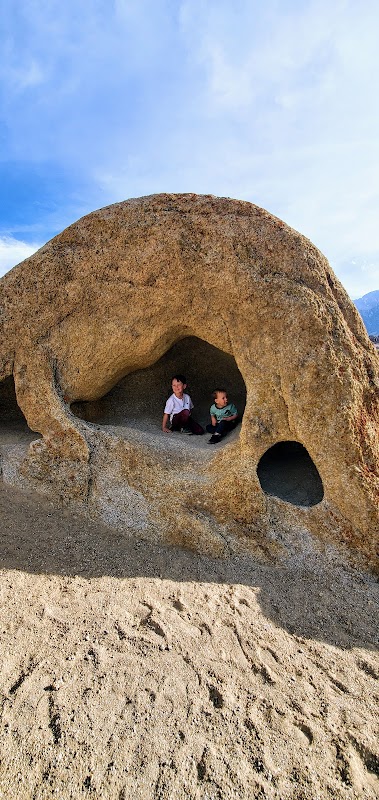
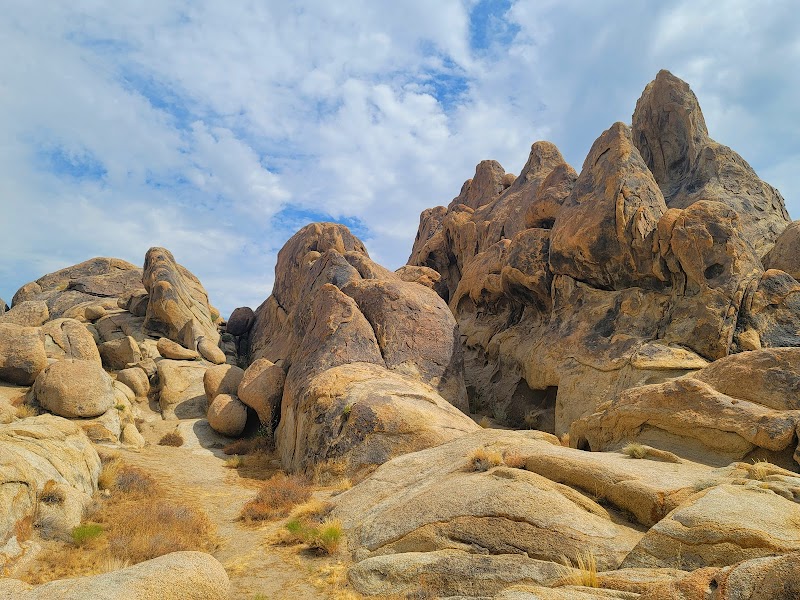
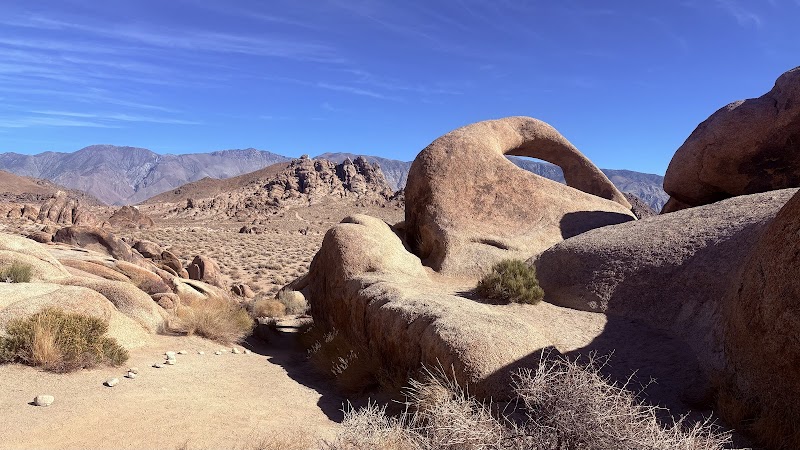
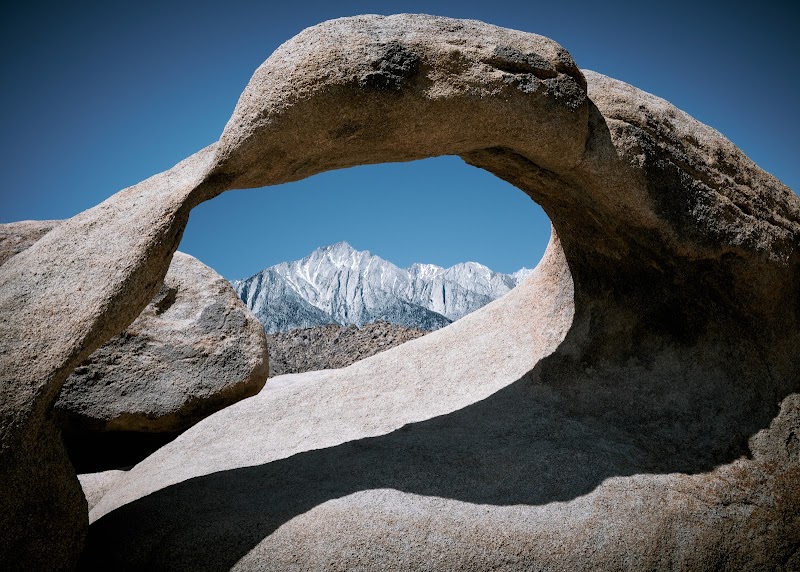
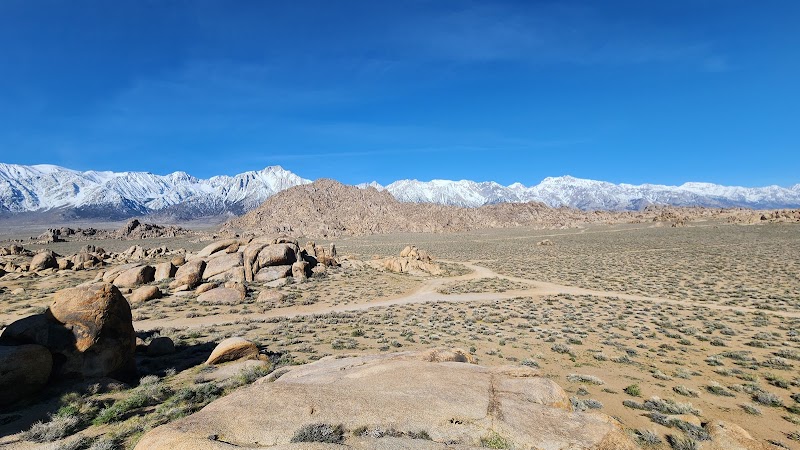
Lone Ranger Canyon, located near Lone Pine in California’s eastern Sierra Nevada region, is a captivating destination known for its striking rock formations and cinematic history. Situated within the larger Alabama Hills area, this canyon stands out for its unusual granite boulders dramatically sculpted over millennia by wind and ice. These rugged formations create a unique landscape that changes with the light, casting shadows and shapes that intrigue photographers and nature lovers alike.
The canyon’s proximity to the towering Sierra Nevada peaks offers breathtaking views of snow-capped mountains contrasting with arid desert terrain below. The geological features include massive granite monoliths that appear almost sculpted, inviting visitors to imagine the natural forces at work over millions of years. Lone Ranger Canyon also carries rich cultural significance as an iconic filming location of the 1938 Lone Ranger movie, giving it a nostalgic connection to classic American Western cinema.
Nature enthusiasts will appreciate the hardy desert plants thriving in this terrain, as well as occasional sightings of local wildlife such as coyotes and birds of prey. The quiet vastness of the area encourages peaceful reflection or a laid-back day of reading amid spectacular scenery. Walking and short hiking paths offer moments of discovery, while the clear night skies make the canyon a favored spot for stargazing.
Whether appreciating nature’s artistry or soaking up cinematic history, Lone Ranger Canyon offers a distinctive mix of geological beauty and cultural heritage in the High Sierra desert landscape.
Adventure Guide To Lone Ranger Canyon
1. Hiking and Rock Hopping
- Location: Multiple short trails run through Lone Ranger Canyon and Alabama Hills.
- Highlights: Trails feature unique granite boulders perfect for light climbing and photo opportunities.
- Local Insight: Rock formations here inspired scenes from famous Western films, capturing rugged Old West charm.
- Visitor Tips: Wear sturdy shoes for uneven terrain and bring water. Best visited in early morning or late afternoon for cooler temperatures and softer light.
2. Off-Road Driving on Dirt Trails
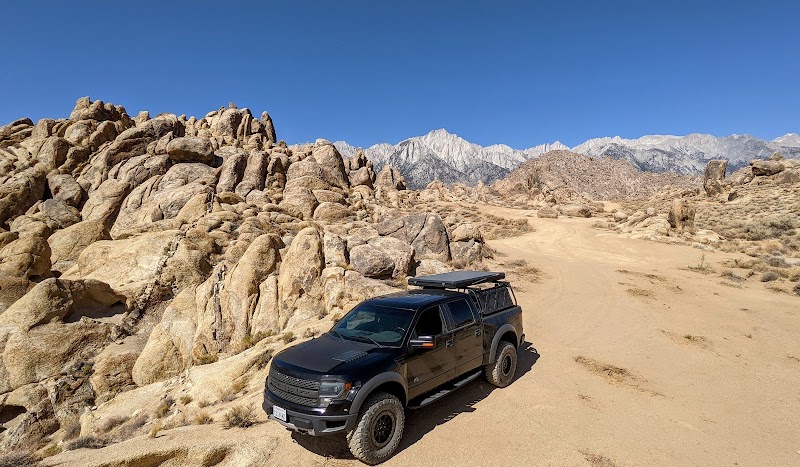
- Location: Access via dirt roads branching from nearby routes allows off-road vehicles to navigate the canyon’s edges.
- Highlights: Offers dramatic views of the Eastern Sierra and close encounters with sculpted rock formations.
- Local Insight: Vehicles suited for rugged terrain greatly enhance the experience; permits or local guidance may be needed.
- Visitor Tips: Check weather conditions before heading out; bring navigation tools and avoid solo trips.
3. Stargazing and Sunrise Viewing
- Location: Open areas in and around Lone Ranger Canyon provide exceptional night skies and sunrise vistas.
- Highlights: Minimal light pollution makes this area ideal for astronomy and early morning photography.
- Local Insight: The Sierra Nevada backdrop adds majestic scale to each celestial event or dawn panorama.
- Visitor Tips: Pack warm clothing for chilly desert nights and a flashlight with red light mode to preserve night vision.
Getting There
- Directions: Lone Ranger Canyon lies a short drive west of Lone Pine, CA. From town, head toward Movie Flat Road or Alabama Hills Road. Expect about 10-15 minutes driving on paved and dirt surfaces.
- Best Times to Visit: Spring and fall offer mild weather; dawn and dusk enhance the dramatic lighting on rock formations. Summer can be very hot; avoid midday hiking.
Essentials to Bring
- Plenty of water and sunscreen
- Sturdy footwear and layered clothing
- Camera or binoculars for wildlife viewing
- Portable chair for relaxing and stargazing
Lone Ranger Canyon offers an accessible yet inspiring outdoor destination with geological wonders, recreational options, and deep cinematic roots on the edge of California’s High Sierra.
Adventure Guide
Adventure Guide To Lone Ranger Canyon
-
Hiking Trails
- What makes it special: The trails offer spectacular views of both the Sierra Nevada and unique rock formations.
- Key features: Well-marked paths, varying difficulty levels.
- Local Insights: Many trails were historically used by Native Americans and later, Hollywood film crews.
- Visitor Tips:
- Best times to visit: Spring and fall for moderate temperatures.
- What to bring: Sturdy hiking boots, sunscreen, camera.
- Driving directions: From Lone Pine, take Whitney Portal Road, and follow signs.
-
Photography Excursions
- What makes it special: Stunning landscapes perfect for photography, especially at sunset.
- Key features: Unique rock formations and panoramic views.
- Local Insights: Sunset casts beautiful shadows and colors on the rocks.
- Visitor Tips:
- Best times to visit: Late afternoon for golden hour.
- What to bring: Tripod, wide-angle lens.
- Driving directions: As above, ample parking available.
-
Rock Climbing
- What makes it special: Challenging climbing opportunities with varied routes.
- Key features: Granite surfaces and established climbing routes.
- **Local Insights:**Favored by both amateur and experienced climbers.
- Visitor Tips:
- Best times to visit: Early morning before it gets too hot.
- What to bring: Climbing gear, plenty of water.
- Driving directions: Follow signs to Lone Ranger Canyon parking lot.
Visitor Tips
- Best Times:Spring and Fall for favorable conditions and optimal lighting.
- What to Bring:Plenty of water, sun protection, a camera, and respectful Leave-No-Trace mindset.