
The Other Side of Zion: Hurricane's Red-Rock Playground
Skip the crowds and discover Hurricane, Utah — a compact red‑rock region of singletrack, cliffs, and a surprising reservoir. Plan a long weekend of biking, climbing, and paddling.
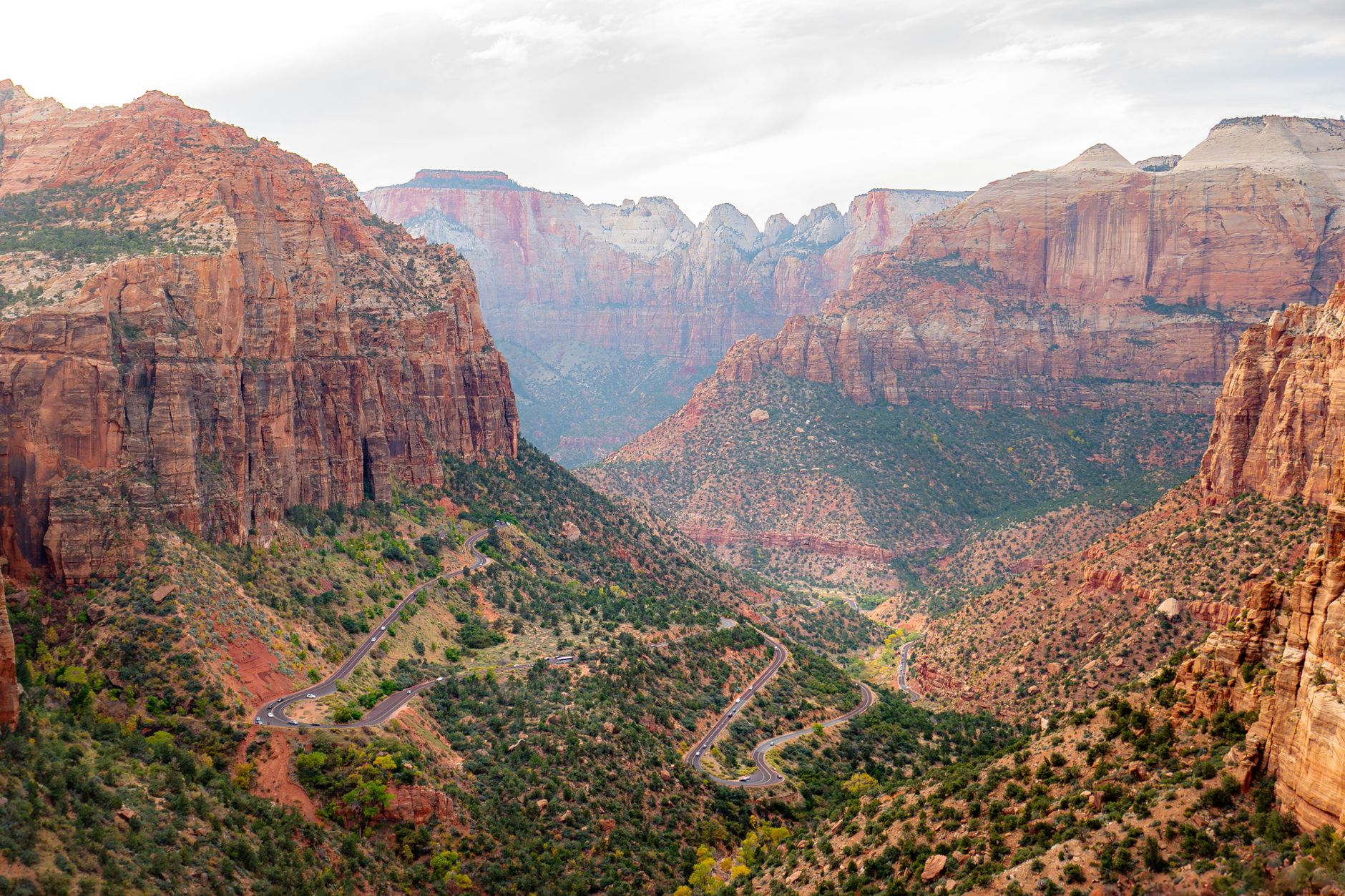
The highway into Zion is a procession of cars, shuttles, and hikers chasing the same rim-to-river photo. Turn the wheel a few miles southwest and a very different red-rock story unfolds around Hurricane, Utah: compact desert ridgelines, wind-sculpted sandstone, and a reservoir that turns canyon country into a water-sport playground.
This guide shows how to center a long weekend in Hurricane instead of squeezing it between Zion day trips. You’ll get practical gear advice for mountain biking and climbing, a sample multi-day itinerary, and tips for traveling responsibly in this fragile landscape.
The Town Beyond the National Park
Hurricane is not a consolation prize — it’s a different kind of red-rock town where quiet mornings on singletrack and evening sunsets over sandstone feel like the point. The main streets have bike shops, cafes, and friendly outfitters that cater to mountain bikers, climbers, and families heading to Sand Hollow State Park.
From Hurricane you can access a range of trail types: fast desert singletrack across mesa tops, technical slickrock sections, and flowy doubletrack that links viewpoints. For an organized overview of those options see the hiking opportunities around Hurricane, which also maps trailheads and access points if you want to mix walking lines into your itinerary.
A Playground of Sandstone and Singletrack
The riding around Hurricane rewards versatility. For most riders, a 29er trail bike with 120–140mm of travel hits the sweet spot: nimble enough for tech, comfortable on longer climbs, and stable on the faster descents. Recommended models include trail-focused options such as the Specialized Stumpjumper (130mm), Trek Fuel EX (130mm), or Santa Cruz Hightower (140mm). Pair those with a Fox 34 or RockShox Pike fork and a rear shock tuned to your weight for best trail performance.
Tire choice matters on sandstone. Use a 29 x 2.4–2.6" casing for traction and float — Maxxis Rekon or Minion DHF (for looser sections) and a Maxxis DHR II for rear traction are reliable choices. Drivetrain-wise, SRAM GX Eagle or Shimano Deore XT provide wide-range gearing for steep washes. Don’t forget a dropper post (125–150mm travel depending on frame), a well-ventilated helmet like the POC Tectal, and a 2–3 liter hydration pack (CamelBak M.U.L.E. or Osprey Raptor) for long runs.
Sandstone climbing is interwoven with the riding; if you want to pull on rock after a lap check out the many crags and boulder fields nearby. For an overview of those options see guides to rock climbing around Hurricane before you pick routes or guide services.
Water in the Desert — Sand Hollow and Reservoirs
One of Hurricane’s most surprising features is Sand Hollow State Park: a bright-blue reservoir set among red dunes and cliffs. It’s a restorative contrast to dry trails — paddleboarding at sunrise, wakeboarding in protected coves, or a mellow boat day after a big ride are all possibilities.
Bring water-focused gear built for desert use: a PFD rated for paddling, a 10'6" inflatable SUP (Red Paddle Co Ride or similar), and dry bags (Ortlieb 20L). If you ride e-bikes, be mindful of packing waterproof storage for batteries and a trunk or rack that keeps weight balanced for shuttle drives to launch points. For a fuller list of options and planning resources see the local guide to water adventures near Hurricane.
Note: Sand Hollow is a state park with day-use fees and variable wind. Check local conditions before committing a full day to water sports and treat the shoreline as you would any fragile desert habitat.
A Long Weekend of Adventure — Sample Itinerary
Instead of one rushed Zion visit, try a 3-day Hurricane-focused itinerary that showcases variety: singletrack, water, and rock.
- Day 1: Morning singletrack loop (choose a 10–20 mile loop on mesa trails), afternoon skills session or light approach bouldering near town. Evening: town pizza and bike shop tune-up.
- Day 2: Sand Hollow day — SUP or paddle in the morning when winds are lighter; explore shoreline viewpoints in the afternoon.
- Day 3: Top-rope or sport climbing morning (locally bolted sectors or guided crags), relaxed drive home or a scenic photo stop.
If you prefer less exertion some operators offer guided sightseeing adventures around Hurricane that combine photography stops, geology context, and short interpretive walks — a good complement to technical days on the bike or rock.
How to Travel Responsibly in the Red Rocks
This region’s compact trails and fragile sandstone make responsible travel essential. Stay on established tracks, avoid creating new lines across cryptobiotic soil, and carry out what you carry in. Many trails are open to specific uses (hiking vs. cycling vs. OHV) so check signage and trailheads before you ride.
Pack extra water (desert heat can dehydrate quickly), use reef-safe sunscreen, and stash a lightweight first-aid kit. If you’re riding e-bikes, be mindful that some land managers have different rules — confirm trail access for motorized eMTBs. Always leave gates and fences as you find them and respect private property adjacent to trail systems.
Getting There & Best Time to Visit
Hurricane sits about 30 minutes west of St. George and roughly 40 minutes south of Zion’s southern entrances. Most visitors access the area via I-15 and local state routes; the town is well serviced by rental vehicles and small outfitters for bike and paddle gear.
Fall (September–November) is the sweet spot: cooler mornings, stable weather, and fewer summer tourists. Spring is also excellent but can bring afternoon winds. Summers are hot and best reserved for early starts or water-based days. Winter brings mild days and occasional cold snaps — pack layers.
Gear Checklist & Packing Tips
Pack for variety. Key items for a Hurricane long weekend: a trail bike with 120–140mm travel (29er), tubeless-ready tires in the 2.4–2.6" range, a dropper post, and a multi-tool with chain tool. Specific parts to consider from Scenders inventory: tubeless valves, 40–60mm stem spacers, SRAM or Shimano derailleur hangers spares, and lighter 29" tubes for back-up.
If you take an e-bike, aim for a 500–700Wh battery to cover climbs and multiple laps without desperation charging. For climbing pack a 60m dynamic rope (for lead), a sport harness, shoes (La Sportiva Tarantula for beginners; Solutions for performance), and a helmet (Petzl Sirocco). For water activities bring a PFD, dry bag, and a leash for SUPs. Finally, keep a printed trail map or offline maps on your phone and a portable battery pack to keep devices charged.
Hurricane offers a compact, varied red-rock experience that complements — and sometimes outshines — a rushed Zion stop. With mesa singletrack, sandstone crags, and the unexpected blue of Sand Hollow, it’s a place worth centering a multi-day adventure.
Ready to plan your trip? Start by choosing a trail-focused bike and the right tires from Scenders, book local rentals or guiding if you want a hands-off day on the water, and use the itinerary above to build a balanced long weekend.
Good to know
Frequently Asked Questions
Is Hurricane a good base if I still want to visit Zion?+
Yes. Hurricane is close enough for day trips to Zion but also offers quieter, varied activities on its own. Use Hurricane as a hub for biking, climbing, and Sand Hollow access, then plan a single dedicated day for Zion if you wish.
Are the mountain-bike trails around Hurricane suitable for beginners?+
There are trails for multiple abilities, from flowy beginner-friendly loops to technical slickrock and exposure. Beginners should look for shorter, lower-gradient loops and consider a skills clinic or guided ride to learn local rock techniques.
Can I ride my e-bike on local trails?+
Rules vary by land manager. Many non-motorized trails prohibit Class 2/3 motorized eMTBs while some multi-use areas allow Class 1 pedal-assist bikes. Check trailhead signage and local land-management websites before riding.
Do I need permits for Sand Hollow or specific climbing areas?+
Sand Hollow is a state park with day-use fees; check the Utah State Parks site for current rates. Some climbing areas are on BLM or state land without permits but have seasonal restrictions or access agreements—verify before you climb.
When is the best season to visit Hurricane for mixed activities?+
Fall (Sept–Nov) offers the best combination of stable weather, cooler mornings, and lighter crowds. Spring is also strong; summers are hot but workable for early starts and water days.
Where can I rent bikes or water gear in Hurricane?+
Local outfitters and bike shops rent mountain bikes, SUPs, and kayaks seasonally. Availability changes by season so call ahead. If you need parts, stock up on tubeless sealant, spare tubes, and a compact pump before heading to remote trailheads.
How do I find guided or instructional outings?+
Look for local guiding companies, climbing schools, and outfitters listed on destination pages and regional tourism sites. Guided experiences are ideal for technical climbing or if you want to learn sandstone-specific riding techniques.
Scenders Team
The Scenders team are passionate cyclists dedicated to helping riders find the perfect parts for every adventure.