
Essential Mountain Hiking Guide: Gear, Safety, Routes
Master mountain hiking with practical gear advice, route planning, weather safety, navigation tips and packing checklists to keep you safe and comfortable on the trail.
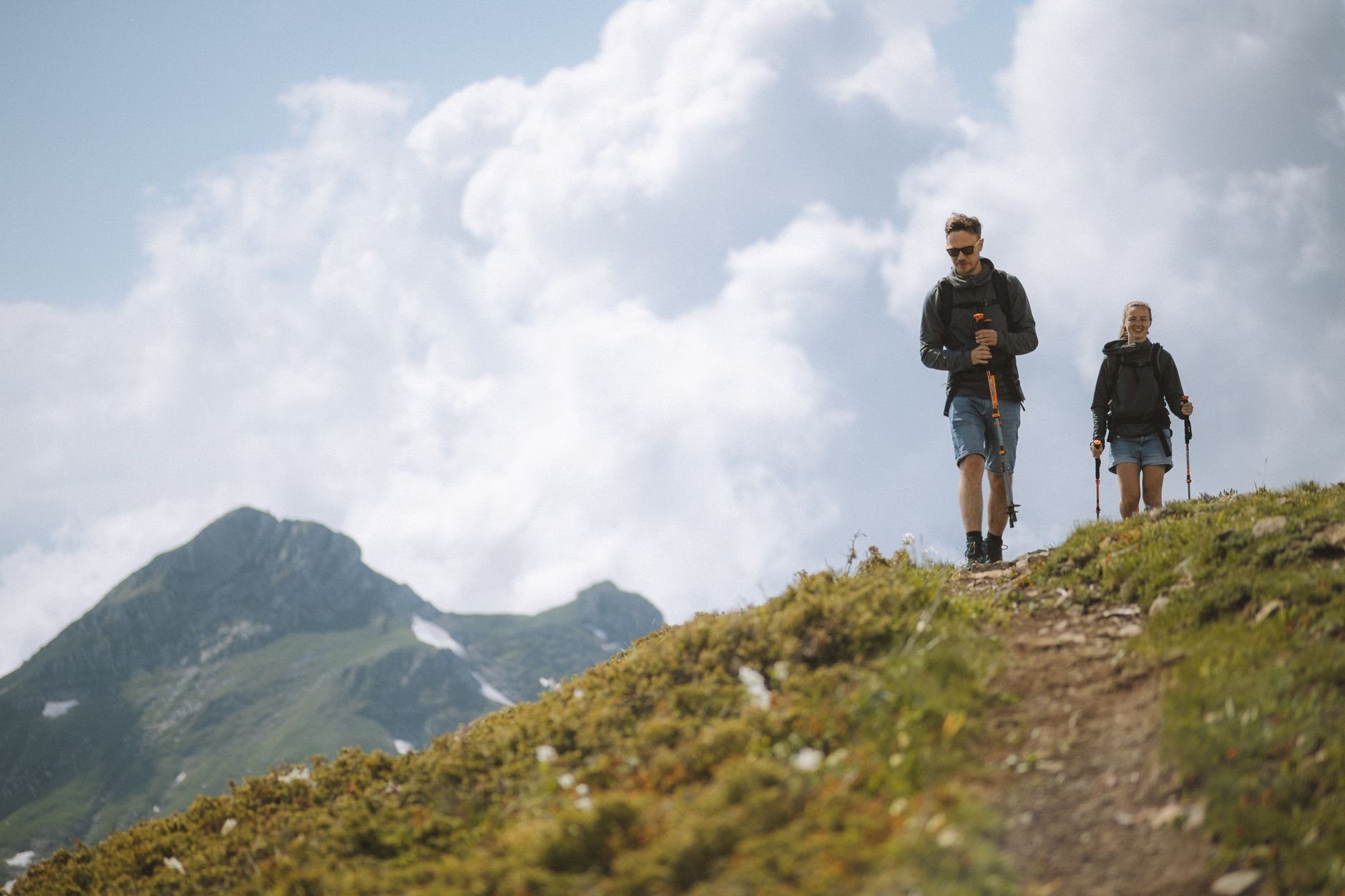
Mountain hiking is one of the most rewarding ways to experience wild places — dramatic ridgelines, alpine meadows, and remote summits. Whether you’re planning a day-hike to a viewpoint or a multi-day trek across high country, smart preparation makes the difference between a memorable adventure and a tough experience.
In this guide you'll find practical advice on planning and fitness, essential gear (packs, footwear, navigation tools), mountain weather and safety, water and food strategy, and Leave No Trace etiquette. We'll also highlight specific products and specs to help you pick the right kit for your next trip.
Plan Your Hike: Objectives, Fitness & Acclimatisation
Start every mountain hike with clear objectives: distance, elevation gain, terrain type, and bailout options. For day hikes keep summit goals realistic — a 1,000–1,500m (3,300–5,000ft) ascent in a single day is a solid target for fit hikers. For multi-day treks plan sensible daily mileage and pre-identify water sources and campsites.
Fitness directly affects enjoyment. Focus on hiking-specific cardio and leg strength: incline treadmill walks, loaded step-ups, and long weekend hikes. If you’ll be above ~2,500–3,000m, build in at least 24–48 hours for basic acclimatisation and watch for early signs of altitude illness. Actionable tip: do a few progressive hikes with increasing elevation the weeks before your trip and practice carrying your fully loaded pack to get used to weight distribution.
Essential Mountain Hiking Gear: Packs, Shelter, Sleep Systems
Choosing the right pack and shelter is foundational. For day hikes select a pack in the 20–30L range (e.g., Osprey Tempest 30 / Talon 22 for men) with a comfortable hipbelt and ventilated back panel. For overnight trips 40–65L packs like the Osprey Atmos AG 65 or Gregory Baltoro 65 offer load support and organisation. Look for 3–4 kg carrying comfort with adjustable torso length.
Shelter and sleep systems depend on season. A 3-season tent (e.g., MSR Hubba Hubba NX 2) paired with a 3-season sleeping bag rated to 0–5°C (e.g., Sea to Summit Ember 0°C) and an insulating sleeping pad (Therm-a-Rest NeoAir Xlite, R-value ~3.2) covers most summer mountain conditions. For ultralight setups consider a 20–30L pack system and a 2–3 season quilt if you prioritise weight over comfort.
Footwear & Clothing: Layering, Boots, Socks
Your footwear must match terrain and load. For technical, rocky or scree-filled mountain trails a mid- to high-cut hiking boot with a rigid heel cup, Vibram outsole and at least 3–5 mm lug depth gives support and grip — look at La Sportiva TX4 or Scarpa Zodiac. For faster, less-technical routes a low-cut trail shoe with Gore-Tex or eVent (e.g., Salomon X Ultra 4 GTX) or a breathable non-waterproof model for dry summer hikes (Salomon Speedcross) is appropriate.
Layering is essential for mountain weather. Start with moisture-wicking base layers (merino like Icebreaker or synthetic), add an insulating mid-layer (Primaloft or down jacket, e.g., Rab Microlight or Patagonia Nano Puff) and a waterproof breathable shell with taped seams (Gore-Tex, e.g., Arc'teryx Beta LT). Socks matter: merino socks (Darn Tough, Smartwool) plus lightweight liners prevent blisters and help temperature regulation.
Water, Food & Nutrition Strategy
Water planning in mountains is critical. Carry at least 1–2L for day hikes in cool conditions and 2–4L in hot/dry conditions or when water sources are unreliable. Use a lightweight filter like the Sawyer Mini or Katadyn BeFree for continuous access, or chemical treatment (Aquatabs) for ultralight kits. If you expect snowmelt streams, account for additional melt time and purification.
Calories matter: target 300–500 kcal per hour on strenuous ascents. Pack calorie-dense, easy-to-eat foods: nut butter, energy bars, dehydrated meals, and trail mixes. For multi-day trips plan a balance of carbohydrates and savory electrolytes to avoid bonking. Practical tip: pre-measure meals and practice cooking with your chosen stove (MSR PocketRocket 2 or Jetboil Flash) at home before your trip.
Mountain Weather, Hazards & Emergency Preparedness
Mountain weather changes fast — sun, wind, rain and snow can arrive within hours. Check detailed forecasts (MWIS, Met Office, MeteoBlue) and local avalanche bulletins in winter. Always pack a warm hat, gloves, and an insulated layer even for summer hikes above tree line. Know the signs of hypothermia and heat illness and carry a lightweight emergency shelter (SOL bivvy) and a reliable headlamp (Black Diamond Spot 350+ lumens with red mode).
In snow season carry and know how to use avalanche essentials: beacon, shovel, probe, and complete an avalanche safety course. For remote trips file a trip plan with a friend or ranger, carry a satellite communicator, and practice basic first aid. Actionable: assemble a small emergency kit that includes a compact first aid kit, duct tape, multi-tool, headlamp, extra food, and a spare warm layer — enough to handle an unexpected overnight stay.
Leave No Trace & Mountain Etiquette
Respecting mountain environments and other users keeps trails open and ecosystems healthy. Follow Leave No Trace principles: plan ahead, travel and camp on durable surfaces, dispose of waste properly, and minimise campfire impacts. Pack out all non-biodegradable waste and scatter human waste in remote alpine areas where appropriate and permissible, or use a cat-hole 60m from water sources.
Be courteous to other trail users — yield to uphill hikers, announce your presence on blind corners, and avoid loud music. If you encounter wildlife give it space and store food securely. Small behaviours — sticking to durable routes, respecting local regulations, and leaving places better than you found them — make a big difference over time.
Mountain hiking rewards careful planning, the right gear and respect for changing conditions. Use this guide to refine your kit, build navigation skills, and plan trips that match your fitness and comfort level. Start with conservative objectives, practice key skills, and gradually increase challenge as you gain experience.
If you're building a kit for mountain hiking or bikepacking routes that include hiking sections, browse Scenders for practical packs, hydration systems, and navigation tools. Ready to get out there — plan smart, stay safe and enjoy the view.
Good to know
Frequently Asked Questions
What boots are best for mountain hiking?+
Choose boots based on terrain and load. For rocky, uneven, or heavy-pack routes go for mid- or high-cut boots with a supportive shank, rigid heel cup and a Vibram outsole (e.g., La Sportiva, Scarpa). For faster, lighter hikes low-cut trail shoes (Salomon, Hoka Speedgoat) provide agility. Prioritise fit, ankle support, appropriate stiffness for your pack weight, and break them in before a long trip.
How do I prevent altitude sickness?+
Prevent altitude illness by ascending gradually, staying hydrated, avoiding alcohol, and sleeping lower if possible. A common rule is not to increase sleeping elevation by more than 300–500m per night above 2,500m. Consider acclimatisation days and pre-acclimatisation hikes. For high-altitude expeditions consult a medical professional about prophylactic acetazolamide (Diamox) and know symptoms of AMS: headache, nausea, dizziness.
Do I need a GPS device or is a phone enough?+
A smartphone with offline maps can be sufficient for many day hikes, but it has limitations: battery life, screen visibility, and durability. A dedicated handheld GPS (Garmin GPSMAP series or eTrex) offers superior battery life and ruggedness. For remote trips add a satellite communicator (Garmin inReach) for two-way messages and SOS. Always carry a paper map and compass as a reliable backup.
How much water should I carry on a mountain hike?+
Carry at least 1–2L for easy day hikes; increase to 2–4L for strenuous or hot conditions and when water sources are uncertain. If the route has reliable streams, carry a filter (Sawyer Mini) or chemical treatment. Remember altitude increases fluid loss, so drink consistently and replace electrolytes during long efforts.
What's a good overnight pack size for mountain trips?+
For 1–2 night trips a 30–50L pack usually suffices. For 3+ nights or colder conditions requiring bulkier sleeping systems, choose 50–70L. Look for packs with an adjustable torso, comfortable hipbelt and load-lifter straps to manage heavy loads. Ultralight hikers may use 40–50L with minimal gear and careful food planning.
How do I handle sudden weather changes in mountains?+
Plan for quick changes by carrying a waterproof breathable shell, insulating mid-layer, hat and gloves regardless of forecast. If weather deteriorates, drop elevation if safe, seek sheltered terrain, and avoid exposed ridgelines and river crossings. Use your map and GPS, and if visibility is poor stay put or move slowly to a pre-planned shelter point.
Should I hire a guide for my first mountain hike?+
Hiring a guide is a smart option for unfamiliar alpine terrain, complex navigation, or technical routes. Guided trips teach route-finding, safety skills, and local knowledge (weather patterns, hazards). For your first mountain overnight or high-elevation objective, a day with a certified guide builds confidence and essential skills.
Scenders Team
The Scenders team are passionate cyclists dedicated to helping riders find the perfect parts for every adventure.