About this landmark
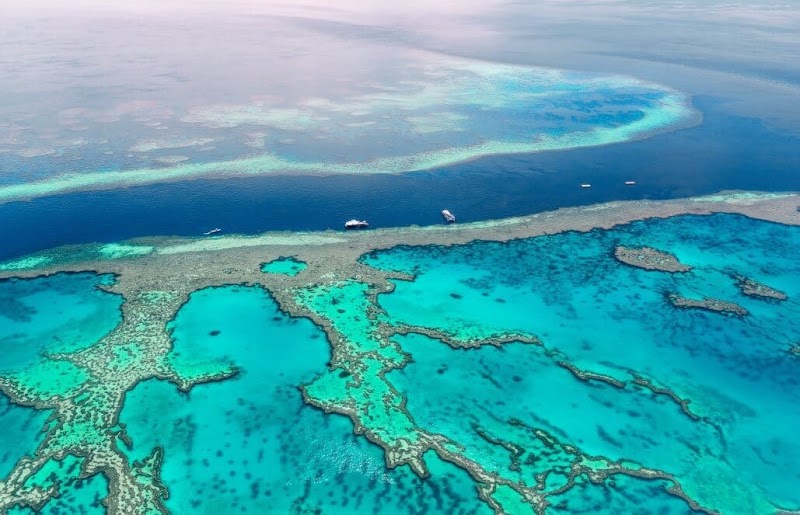
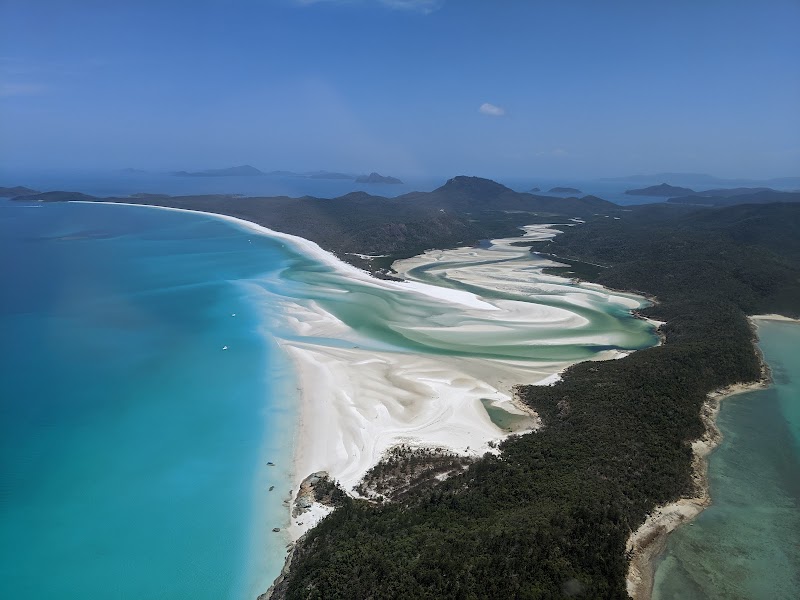
Stretching along the coast of Queensland, the Great Barrier Reef is the world’s largest coral reef system, offering a vibrant tapestry of marine life near Airlie Beach. This underwater paradise spans over 2,300 kilometers and includes more than 900 islands. What sets it apart is its unparalleled biodiversity and vibrant ecosystem, home to thousands of species of fish, corals, and other marine creatures, making it a haven for snorkelers and divers.
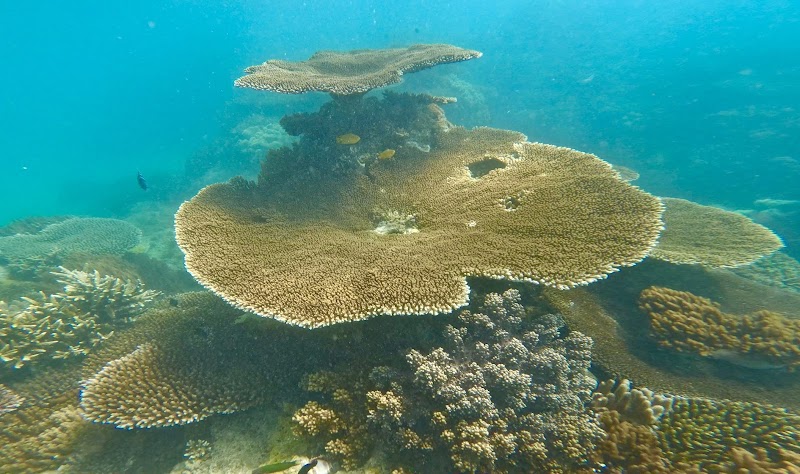
The reef’s unique geological formations are a spectacle of colorful corals creating habitats for an array of sea life. You might encounter the gentle majesty of sea turtles, playful dolphins, and the striking hues of parrotfish. Established as a UNESCO World Heritage Site in 1981, this natural phenomenon is more than just an underwater adventure; it’s a living, breathing testament to nature’s grandeur.
Visitors marvel at the vibrant colors and dynamic patterns of life. Whether you’re exploring Agincourt Reef’s outer edges or discovering hidden nooks in the Low Isles, every location within this marine wonderland offers a unique opportunity to connect with a world seldom seen.
Cultural significance is rich here, with Indigenous Australians having deep ties to the reef’s waters. As you dive or snorkel, you’re not just witnessing marine beauty but partaking in a cultural legacy centuries in the making.
Adventure Guide
Adventure Guide to the Great Barrier Reef
Snorkeling at Hardy Reef
- Special Features: Crystal-clear waters and diverse marine life.
- Local Insight: Known for its accessible viewing platforms and vibrant fish populations.
- Visitor Tips: Best visited from May to October for optimal visibility and calm seas. Bring sunscreen and a waterproof camera.
Scuba Diving at the Cod Hole
- Special Features: Encounter with large potato cod and coral formations.
- Local Insight: Famous dive site offering close encounters with gentle marine giants.
- Visitor Tips: Travel via dive charters from Cairns. Pack dive certification cards and ensure health clearances for diving.
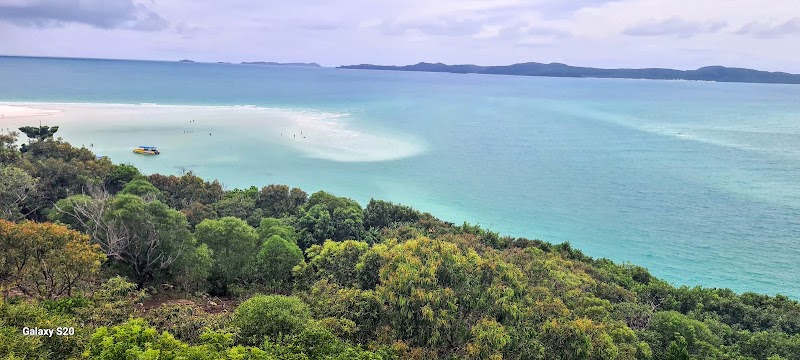
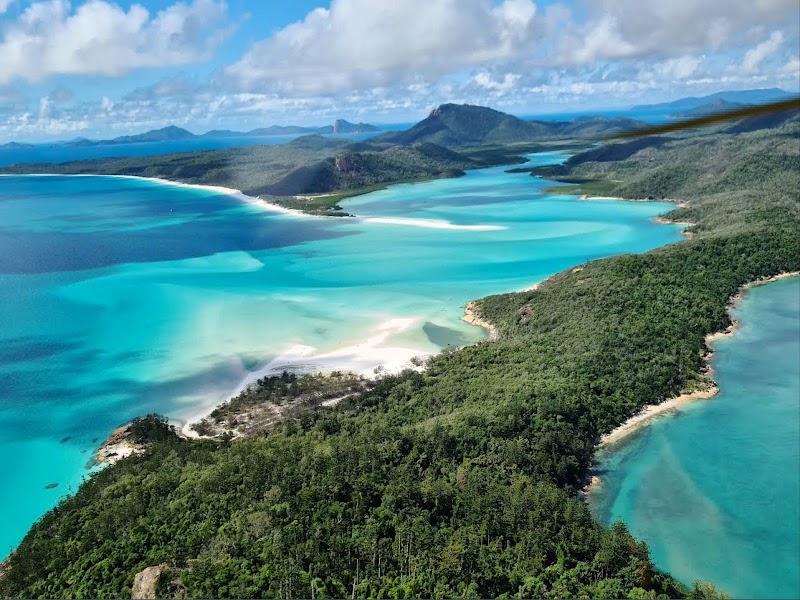
Sailing Whitsunday Islands
- Special Features: Spectacular views and access to remote beaches.
- Local Insight: Winds are typically ideal from April to November.
- Visitor Tips: Sunscreen and motion sickness tablets recommended. Departure typically from Airlie Beach with trips ranging from a day to several nights.
Getting There
- Driving Directions: From Brisbane, it’s about a 12-hour drive north to Airlie Beach, serving as a gateway to the reef.
General Tips
- Best Time: June to October.
- Essentials: Swimwear, eco-friendly sunscreen, and hydration packs.
Visitor Tips
- Best Times:June to October for favorable conditions and optimal lighting.
- What to Bring:Plenty of water, sun protection, a camera, and respectful Leave-No-Trace mindset.