About this landmark
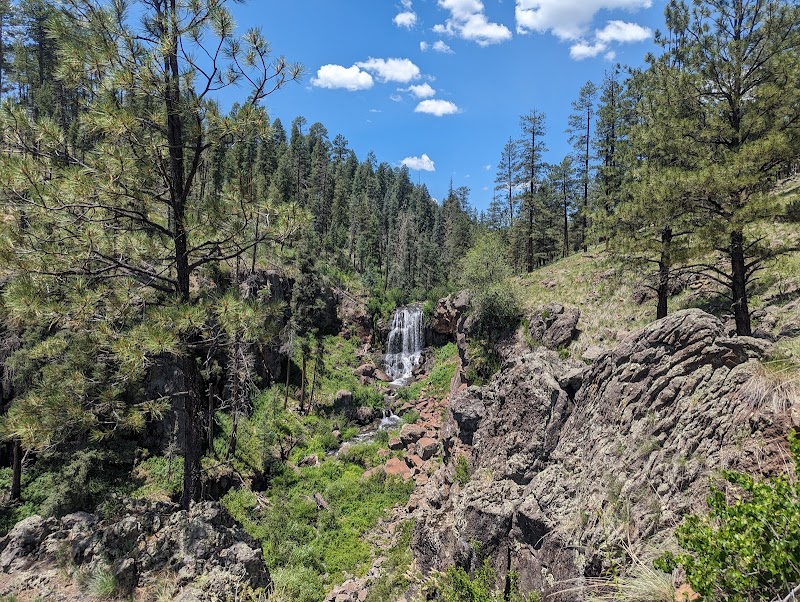
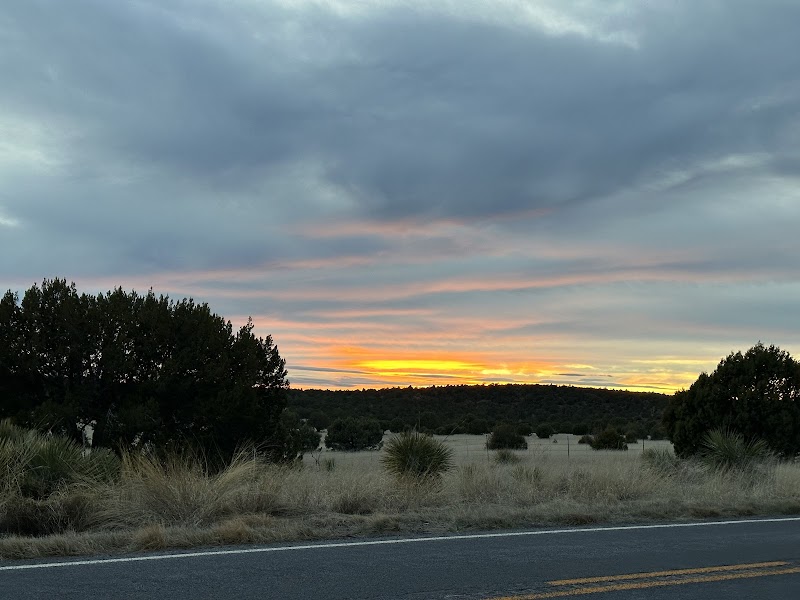
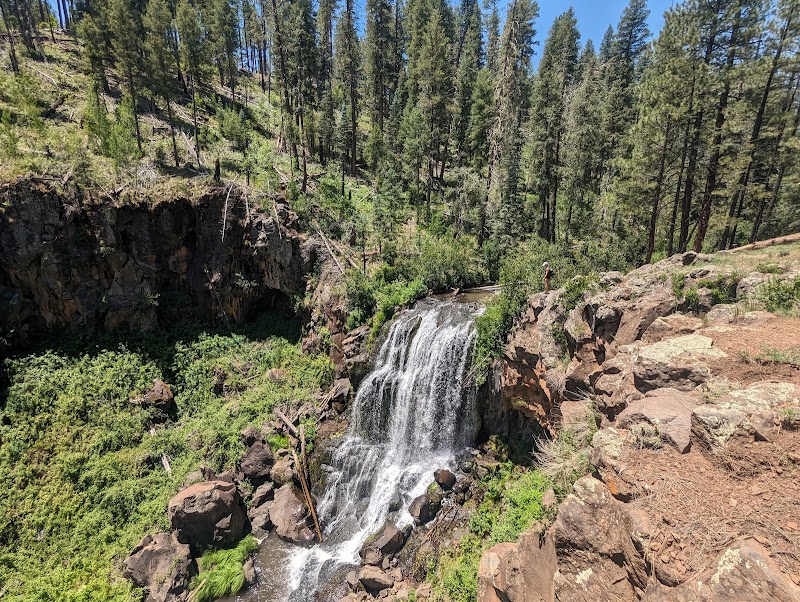
Located near Whiteriver, Arizona, Pacheta Falls is a stunning natural gem tucked away in the lush landscapes of the White Mountains. Known for its cascading waters that tumble dramatically into rocky pools, this destination offers a visual treat that stands out in the arid Southwest. The falls are surrounded by dense forests of pine trees, offering a refreshing contrast to the desert scenery typical of the region. The White Mountains, rich in wildlife, provide a habitat for various species, making it an excellent spot for nature enthusiasts.
Pacheta Falls is not only a visual delight but also holds cultural significance for the Apache people, who have lived in harmony with these lands for centuries. These serene surroundings have been a part of local legends and traditional stories, adding a layer of mystique to the falls.
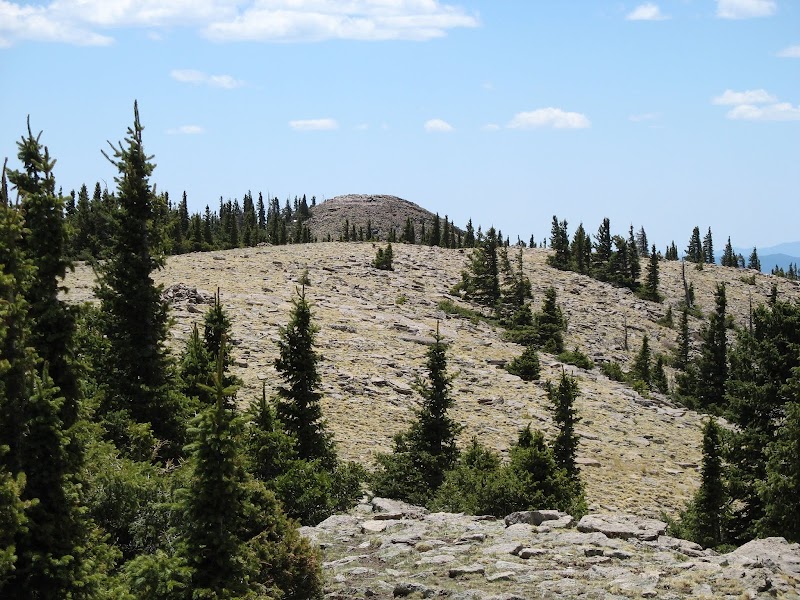
The site's unique geology features rock formations that have been sculpted over thousands of years, offering a peek into Earth's dynamic history. Visitors are drawn to the falls not just for the striking visual scenery, but for the sense of tranquility that pervades the area, a perfect escape from the fast-paced world. Pacheta Falls invites travelers to immerse themselves in a landscape where nature's artistry is on full display.
Adventure Guide
Adventure Guide to Pacheta Falls
Hiking to Pacheta Falls
- What Makes it Special: The trail to Pacheta Falls offers a moderately challenging hike through lush forest landscapes with stunning views and serene natural beauty. The path winds through pine forests and open meadows.
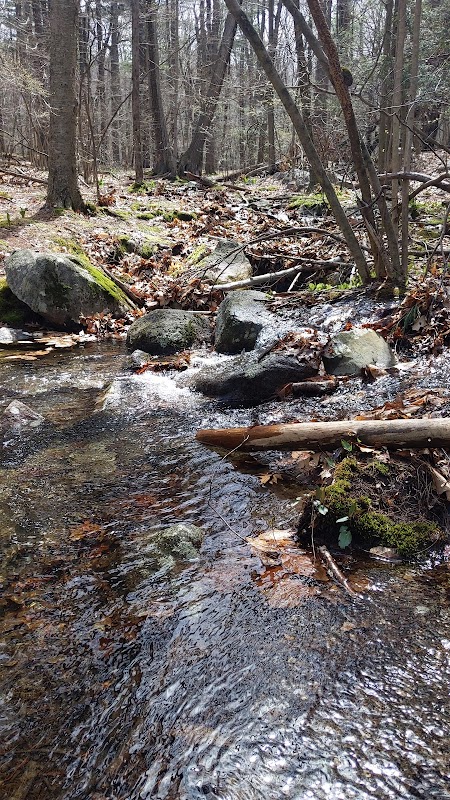
- Key Features: Dense woodlands, clear streams, and unique rock formations.
- Visitor Tips:
- Best Times to Visit: May to September for the best weather.
- What to Bring: Hiking boots, water, camera.
- Driving Directions: From Whiteriver, AZ, follow BIA-55 and then take a forest service road to the designated trailhead for Pacheta Falls, approximately a 1-hour drive.
Wildlife Observation
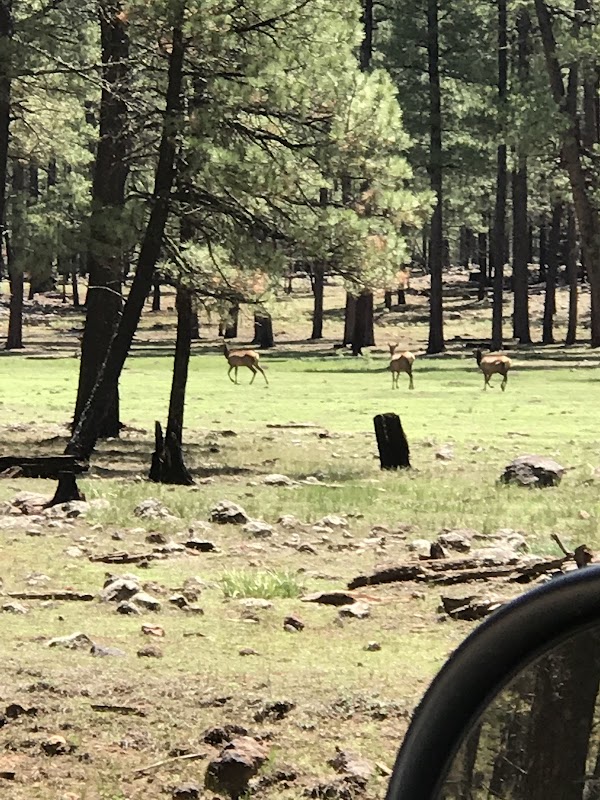
- What Makes it Special: The area around Pacheta Falls is home to diverse wildlife, offering opportunities for bird watching and spotting local fauna.
- Key Features: Native bird species, forest-dwelling mammals.
- Visitor Tips:
- Timing: Early mornings or late afternoons.
- What to Bring: Binoculars, field guide.
Photography Expedition
- What Makes it Special: The dramatic landscape provides a fantastic backdrop for both amateur and professional photographers.
- Key Features: Waterfalls, forest scenery, rock formations.
- Visitor Tips:
- Best Light: Early morning or golden hour in the evening.
- Extra Gear: Tripod, wide-angle lens.
Visitor Tips
- Best Times:Spring and Fall for favorable conditions and optimal lighting.
- What to Bring:Plenty of water, sun protection, a camera, and respectful Leave-No-Trace mindset.