About this landmark
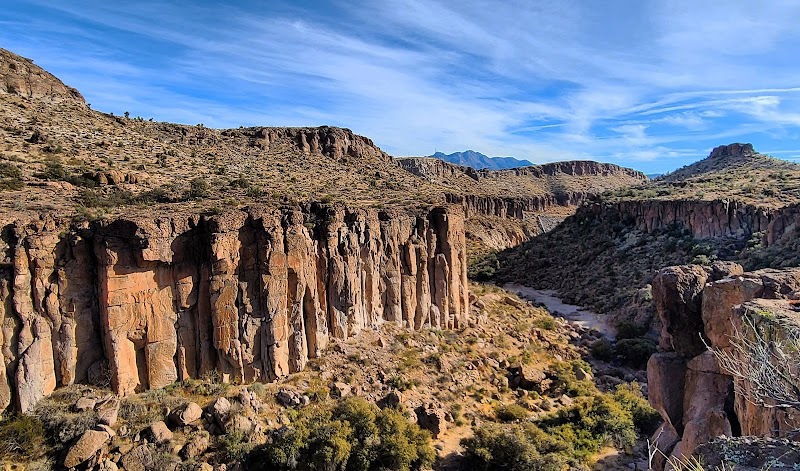
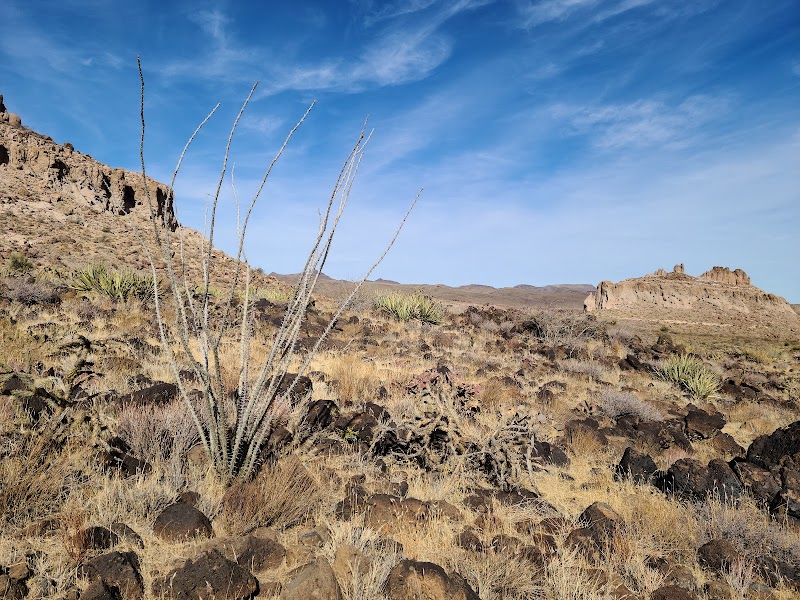
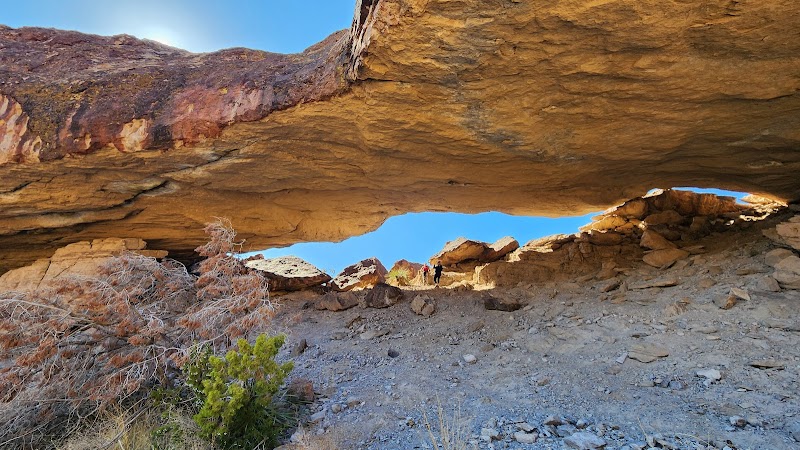
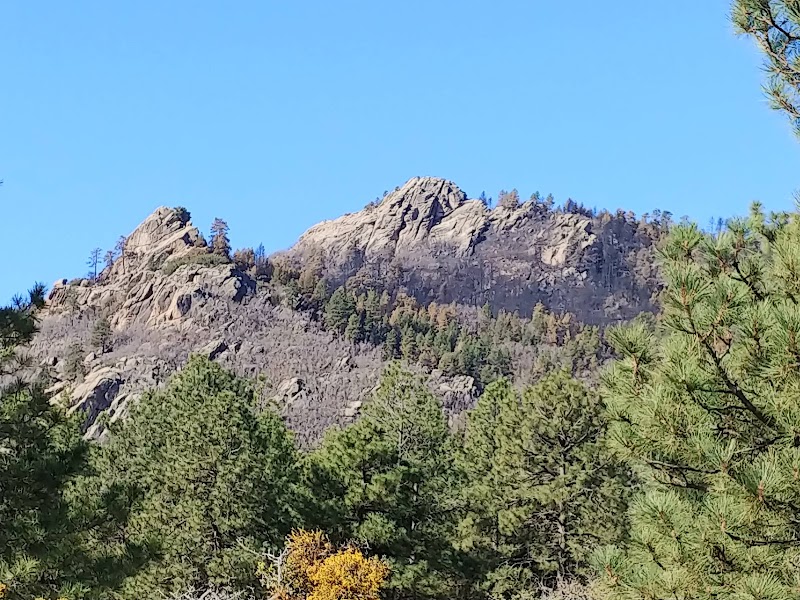
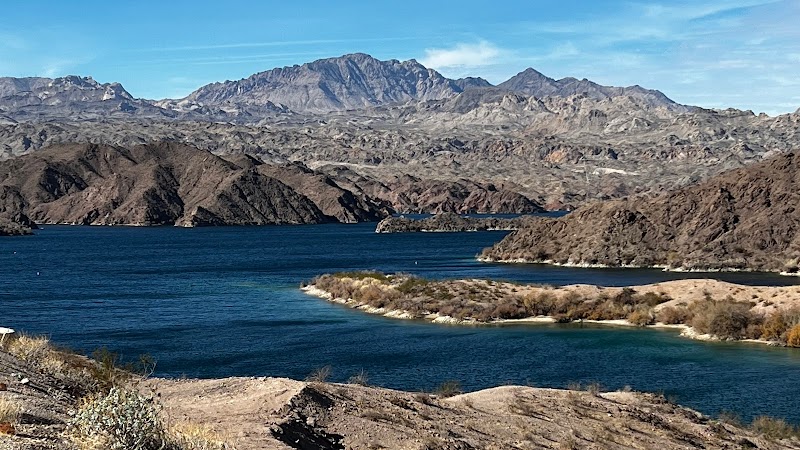
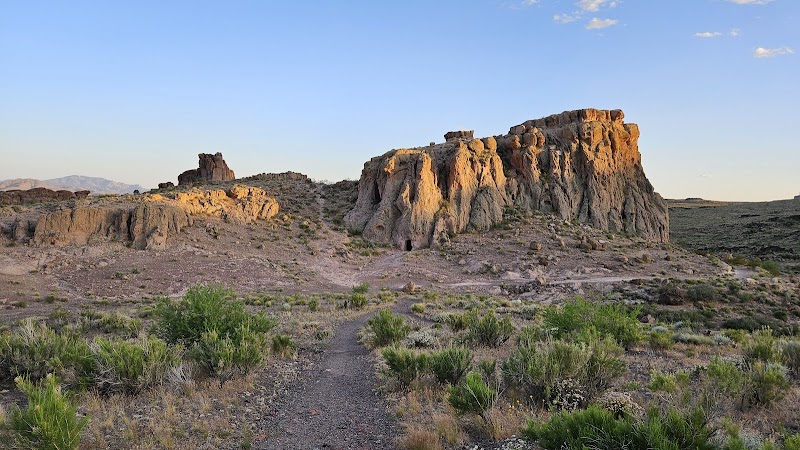
Monolith Garden Trail, located in Kingman, Arizona, offers a striking landscape brimming with unique geological formations that captivate hikers and nature lovers alike. Renowned for its ancient volcanic rock structures, the trail takes visitors on a journey through rugged yet serene desert terrain. Towering rock columns and stunning vistas highlight the dramatic landscape, making it a standout destination in the region. Aside from its natural beauty, the trail is part of the Cerbat Foothills Recreation Area, known for its fascinating geology and biodiversity. Visitors are treated to sights of intriguing wildlife and native flora, including distinctive desert plants that thrive in the arid climate. This combination of natural wonders and historical significance, where the ancient volcanic history of the area can be traced, offers a memorable adventure set in the heart of the American Southwest. Monolith Garden Trail’s unique environment provides a rich experience to witness the dynamic interplay of natural forces that have shaped it over millions of years.
Adventure Guide
Adventure Guide To Monolith Garden Trail
Hiking Along the Monolith Garden Trail
- What Makes It Special: This 7-mile trail offers a mix of spectacular rock formations and desert landscapes.
- Key Features: Volcanic rock structures, diverse plants, and wildlife.
- Local Insights: Part of the Cerbat Foothills Recreation Area, which is renowned for its geological and natural wonders.
- Visitor Tips:
- Best Time to Visit: Early spring or fall for cooler temperatures.
- What to Bring: Plenty of water, sun protection, and sturdy hiking boots.
- Driving Directions: From Kingman, head west on I-40 to Metwell Drive, a short 10-minute drive.
Mountain Biking Adventure
- What Makes It Special: Offers adventurous routes with varied terrain suitable for mountain biking.
- Key Features: Challenging paths and stunning surroundings.
- Local Insights: Popular among local biking enthusiasts for its diverse and rugged paths.
- Visitor Tips:
- Best Time to Visit: Avoid peak summer heat.
- What to Bring: Helmet, repair kit, and water.
Wildlife and Bird Watching
- What Makes It Special: A haven for observing desert wildlife and bird species unique to the area.
- Key Features: Lush habitats support a wide variety of desert fauna.
- Local Insights: Keep an eye out for reptiles and various bird species during walks.
- Visitor Tips:
- Best Time to Visit: Early morning or late afternoon.
- What to Bring: Binoculars and a camera.
Visitor Tips
- Best Times:Spring and Fall for favorable conditions and optimal lighting.
- What to Bring:Plenty of water, sun protection, a camera, and respectful Leave-No-Trace mindset.