Utah's backcountry snowbiking offers a dynamic challenge where changing terrain demands adaptable techniques and sharp awareness. From dense forests to alpine bowls, riders learn to engage with the environment on its own terms—equipped with practical tips to prepare for a thrilling and safe winter ride.
Adapt Tire Pressure to Terrain
Lower tire pressure for deep powder to increase floatation, and slightly higher pressures on icy crusts for better control without risking rim strikes.
Dress in Adjustable Layers
Use breathable base layers and insulated shells to regulate temperature as conditions shift from sun to shadow and warm to cold.
Start Early in the Day
Snowpack is firmer in the morning, offering more predictable riding conditions before afternoon thaws soften trails and increase hazards.
Carry Hydration and Calories
Cold suppresses thirst but your body needs fuel and fluids to maintain energy and body temperature through exertion.
Mastering Snowbiking Across Utah’s Diverse Backcountry Terrain

Five Day All-Inclusive Snowbike Guided Tour
Ages 16+ • 8 Hours • Enjoy an entire EPIC Day of SnowBiking!
Hit the snowy trails on a thrilling 5-day guided snowbike tour near Kalispell, Montana. Ride top-tier snowbikes across pristine backcountry and enjoy cozy nights by the fire.
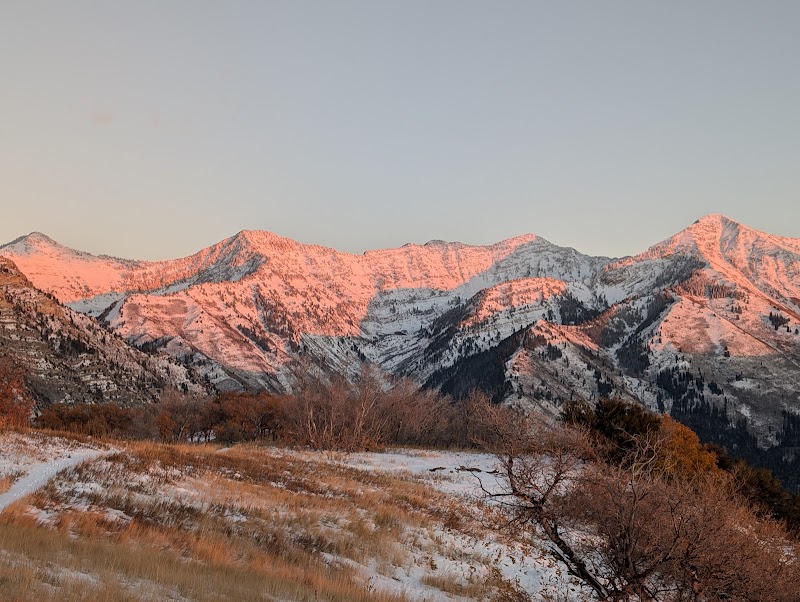
Snowbiking in Utah's backcountry offers a raw encounter with winter wilderness, demanding adaptation and respect from riders as they traverse ever-changing terrain. The landscape shifts from dense, whispering conifer forests to open alpine bowls where the wind sketches sharp patterns into untouched powder. Each terrain presents a challenge fiercely itself, coaxing riders to adjust their approach on the fly. Compact, icy trails call for precise edge control and steady pedal pressure, while deep powder demands a light touch and fluid balance to float over snow that dares to swallow your momentum.
Starting at base elevation around 7,500 feet, expect elevation gains ranging from 800 to 1,500 feet depending on your chosen route. For example, the Mt. Nebo backcountry ride offers 12 miles looped through timber and open ridges, with elevation gains that push both lung capacity and technique. The forested sections, where pines lean low under snow’s weight, require quick reflexes to navigate roots and uneven surfaces hidden beneath. Here, a lower gear ratio and controlled braking keep you in command without digging in too deep and losing traction.
In exposed alpine bowls, wind exposes icy crust layers that challenge your tires’ grip. Adjust tire pressures lower to increase contact but not so low that rim impacts risk take you out. Your body’s posture shifts in subtle ways—weight more centered over the bike to absorb shocks, hands light on the bars to stay reactive, riding the snow rather than fighting it.
Preparation is as critical as riding skill. Hydrate early and often; cold air tricks the thirst signals, but your body burns calories fast up here. Layer your clothing for temperature swings: breathable shells paired with insulating mid-layers help as the sun fades or clouds gather, turning the day sharply. Boots need traction and warmth—Gore-Tex or insulated waterproof overboots protect when the snow slushes and temperatures hover near freezing.
Timing trips so you strike a window of stable weather avoids dealing with rapid thaw-freeze cycles that turn trails into unpredictable ice fields. Start early; the snowpack’s firm morning grip weakens by afternoon as temperatures rise, turning the terrain fickle and demanding more careful riding.
Trail features beckon with their own personalities. A creek crossing dares you to test your balance on slippery stones just barely submerged under current thin ice. Wind-carved drifts push back against your forward motion, teaching you patience. The mountains move no faster than you do, but their constant presence ensures humility and awe.
In Utah’s backcountry, snowbiking is not simply about speed or endurance. It’s a conversation between rider and earth: adjusting, responding, and respecting a fiercely natural force. Each type of terrain calls for a slightly different rhythm, technique, and mindset. Success comes to those who listen carefully, prepare well, and ride skillfully into the stillness of winter’s terrain.
Nearby Trips
All Adventures
Boat Charters
Water Activities
Adventures near Provo
Discover the unique and memorable adventures that make Provo special.
Frequently Asked Questions
How do I adjust my riding technique for deep powder versus icy trails?
In deep powder, maintain a light, centered posture, pedaling smoothly to float over the snow while avoiding sudden braking. On icy trails, lower tire pressures slightly and focus on edge control with steady, gentle braking to maintain traction.
What are some key safety considerations in Utah’s winter backcountry?
Always check weather and avalanche forecasts before heading out. Carry proper navigation tools and emergency supplies, and never ride alone. Being prepared for rapid weather changes is critical.
Are there any lesser-known snowbiking spots near Provo to explore?
Yes—areas like Spanish Fork Canyon offer quiet routes with less traffic but challenging snow conditions. These spots reward riders looking for solitude and raw wilderness.
What local wildlife might I encounter during snowbiking trips in Utah backcountry?
Elk, mule deer, and red foxes remain active in winter. Birds such as the gray jay and Clark’s nutcracker are frequent companions, and occasionally you might catch glimpses of bobcats or coyotes.
How can I minimize my environmental impact while snowbiking in protected areas?
Stick to established trails to avoid disturbing fragile winter habitats, pack out all waste, and respect wildlife by observing from a distance without feeding or chasing animals.
What are some recommended local weather apps or resources for backcountry snowbiking?
Use the Utah Avalanche Center for current snowpack and danger reports, along with NOAA for detailed weather forecasts. Apps like Gaia GPS or Avenza Maps help with offline navigation.
Recommended Gear
Fat Tire Snowbike
Wide tires provide flotation and traction on snow; ensure tire widths are appropriate for Utah’s varied snow conditions.
Insulated Waterproof Boots
Protect feet from cold and moisture while providing grip for off-bike walking on icy or snowy patches.
Multi-Layer Clothing System
Allows quick adjustment for changing temperatures and activity levels, essential for backcountry comfort.
Hydration Pack with Insulated Tube
Prevents fluids from freezing and keeps hydration accessible during long rides in cold conditions.
Local Insights
Hidden Gems
- "The Wind Caves above Rock Canyon provide unique geological formations accessible with snowbike snowshoes."
- "Hidden alpine pond near Mt. Nebo often freezes into ice sculptures visible mid-winter."
Wildlife
- "Winter visitors often spot elk trails crossing snowbike routes, especially near meadows at dawn or dusk."
- "Red foxes actively hunt along forest edges, their tracks offering signs of their presence."
History
"The Ute Tribe historically used many of these mountain passes in all seasons; remnants of old trapper and miner trails can still be found alongside modern-day routes."