Timing the Perfect Skimboarding Conditions at Cape Kiwanda
Cape Kiwanda State Natural Area offers Oregon's most rewarding skimboarding conditions when timed right with tide and wind. This guide helps you plan your visit with practical details to maximize your ride and enjoy the coastal adventure.
Check Tide Charts Before Arriving
Skimboarding conditions peak within an hour before to an hour after low tide. Use a reliable tide app to plan your session for the best shallow water coverage.
Aim for Early Morning Skimboarding
Calmer winds and smooth water during sunrise improve skimboarding conditions and reduce beach crowding for a cleaner run.
Wear Water-Resistant Footwear
The beach can transition from wet, soft sand to firmer packed surfaces quickly. Footwear that handles both will keep you comfortable on and off the board.
Hydrate and Layer Up
Oregon’s coastal wind can sap energy despite cool temperatures. Carry sufficient water and wear breathable layers to stay balanced and comfortable.
Timing the Perfect Skimboarding Conditions at Cape Kiwanda

Skimboard
All Ages • Hourly, Daily & Weekly Rental Options!
Discover the exciting combo of skimboarding and biking at Mission Beach in San Diego. Perfect for adventure seekers looking for a fun-filled day on California's stunning coast.
Cape Kiwanda State Natural Area in Oregon offers an ideal playground for skimboarding enthusiasts looking to catch the perfect run. The key to a successful skimboarding session here lies in understanding the interplay between tide, swell, and wind. The gently sloping sandy beach meets the Pacific with a rhythm that dares skimboarders to time their runs as the incoming tide thins out, creating a slick, shallow layer of water perfect for gliding.
To reach the skimboarding zone, plan for a short, flat walk of roughly 0.5 miles from the parking area near Pacific City, where the sand stretches wide and firm. Elevation changes are minimal, but the terrain shifts dramatically from a soft, powdery surface at low tide to firmer-packed, reflective wet sand as the tide rises. This stretch demands careful timing—skimming thrives best an hour before to an hour after low tide, when the water's edge is thin enough to whip you forward on the board but deep enough to keep momentum alive.
The wind patterns at Cape Kiwanda can either fuel or frustrate your session. South or southeast winds between 5 to 15 mph offer the smoothest water surface, while stronger or onshore gusts roughen the shallow water, interrupting your ride. Early mornings tend to deliver calmer conditions, making sunrise sessions both stunning and practical.
Prepare your skimboard and gear by checking tide charts specific to Pacific City and monitoring swell reports, focusing on moderate swells around 2-4 feet to maintain safe and enjoyable waves. The sand here responds quickly to weather shifts; after rain, the beach compacts and dries faster than expected, so pack footwear that can transition from wet sand to trail if you choose to explore the adjacent dunes.
Hydration is critical, especially in summer’s strong sun. Although this coastal climate feels cool, energy drains fast under the wind’s persistent push. Bring water in reusable bottles and consider light layers to protect from wind chill without overheating.
Cape Kiwanda is fiercely itself, a coastline where ocean currents push forward relentlessly and the winds test your resolve. Approaching skimboarding here means respecting the powerful natural forces shaping every run. It's less about conquering waves and more about syncing with their beat—a dance of timing and terrain.
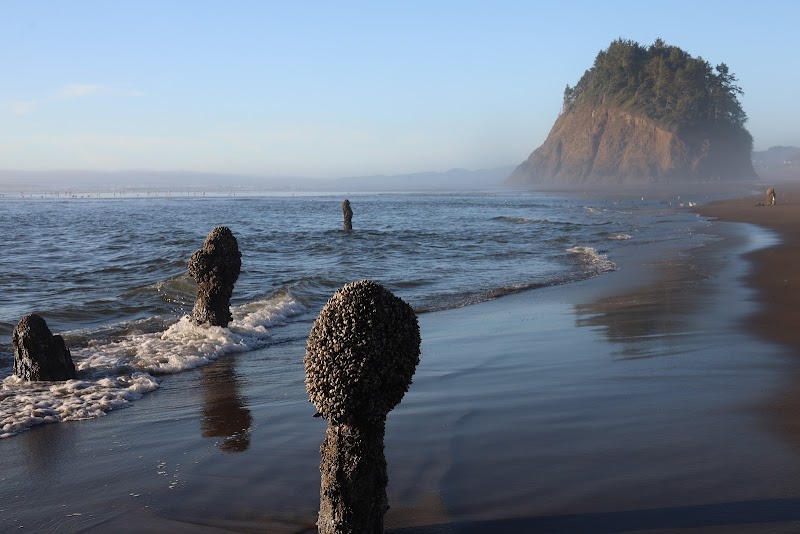
Beyond skimboarding, the site features striking sandstone cliffs and the iconic Haystack Rock, perfect for a quick hike or photography during breaks. Keep an eye out for the vigilant peregrine falcons patrolling the cliffs and the seasonal migration of shorebirds, adding life and movement to your visit.
By gearing up with practical knowledge and timing your arrival around tide and weather, Cape Kiwanda provides an accessible yet dynamic skimboarding experience. This blend of accessible terrain, natural challenges, and ocean-driven energy makes it a top-tier destination, whether you’re chasing your first glide or refining your technique.
Nearby Trips
All Adventures
Boat Charters
Water Activities
Adventures near Pacific City
Discover the unique and memorable adventures that make Pacific City special.
Frequently Asked Questions
When is the best time of day for skimboarding at Cape Kiwanda?
Early morning is prime time. Winds are calmer, the sand is less crowded, and water conditions are typically smoother. Sunrise sessions offer both scenic and practical benefits.
What tidal conditions are best for skimboarding here?
Approximately one hour before to one hour after low tide is the ideal window, when a thin layer of water covers firm sand, creating the slick surface needed for skimboarding.
Are there any local wildlife concerns to be aware of during skimboarding?
Keep an eye out for shorebirds such as sandpipers and migratory seabirds, especially in spring and fall. Peregrine falcons patrol the cliffs overhead but generally keep their distance.
Is the terrain around Cape Kiwanda suitable for beginners?
Yes, the beach’s gentle slope and moderate waves make it accessible for beginners willing to learn timing and board control. However, respect ocean conditions and never skim alone.
Are there any cultural or historical features nearby?
The area holds cultural significance for the Tillamook people and features traditional Native American coastal uses. Nearby Pacific City offers insights into local maritime history linked to fishing and navigation.
What environmental considerations should skimboarders keep in mind?
Avoid disturbing bird nesting sites and adhere to posted guidelines on beach usage. Use reef-safe sunscreen and pack out all trash to protect the fragile coastal ecosystem.
Recommended Gear
Skimboard
The foundational equipment, suited for shallow water glides. Choose boards that match local conditions and personal skill level.
Waterproof Footwear
Helpful for walking on shifting sand post-rain and along wet rocks near the cliffs.
Hydration Pack
Maintains hydration through extended exposure, especially under sunny summer conditions.
Windbreaker or Light Layer
Protects against coastal wind chill, especially in cooler months when the breeze can sap energy quickly.
Local Insights
Hidden Gems
- "The hidden tide pools at the base of Cape Kiwanda cliffs, revealing colorful marine life during very low tides."
- "Haystack Rock’s less visited north side offers quiet spots for watching seals and seabirds."
Wildlife
- "Peregrine falcons nesting on sandstone cliffs"
- "Seasonal shorebirds such as western sandpipers and plovers"
History
"The Tillamook tribe traditionally used the Cape’s natural resources, and remnants of old fishing camps near Pacific City reflect the maritime heritage of the area."