Mastering Manual Transmission on Scenic Anza-Borrego Drives
Experience the raw beauty of California’s Anza-Borrego Desert by mastering manual transmission techniques on its challenging and scenic roads. This guide blends driving advice with a sensory journey through desert passes, giving you the tools to navigate safely and enjoy fully.
Master Gear Changes on Inclines
Use lower gears when ascending to maintain power without overheating the clutch. Downshift early on descents to control speed without excessive braking.
Monitor Engine Temperature
Desert heat can quickly raise engine temps. Check gauges regularly, and stop if overheating signs appear to avoid damage.
Plan Driving Times
Drive during early mornings or late afternoons to avoid high temperatures and to better appreciate the visual contrasts of the desert landscape.
Check Tire Pressure Often
Heat affects tire pressure dramatically in desert environments; ensure proper inflation for safety and optimal fuel efficiency.
Mastering Manual Transmission on Scenic Anza-Borrego Drives
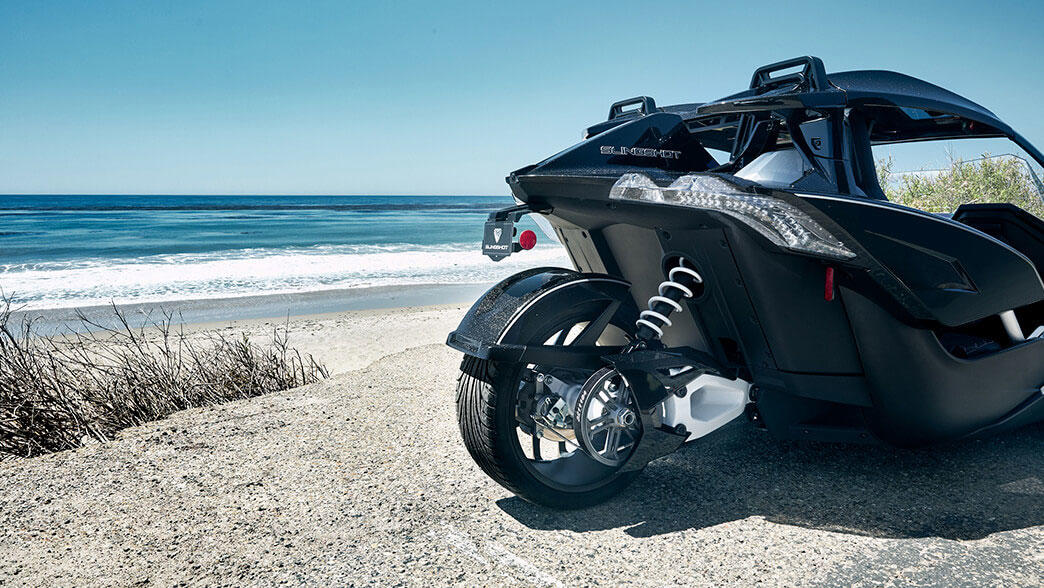
24+ Hour Manual Vehicle Adventure
24+ Hours | Ages 21+ to drive| Seats 2 Passengers!
Discover the ultimate outdoor challenge with a 24+ Hour Manual Vehicle Adventure in Cocoa Beach. Manage your own boat, explore scenic waterways, and experience Florida's coast like never before. Perfect for adventure seekers craving independence and stunning ocean views!
Driving through California’s rugged Anza-Borrego Desert State Park offers an unmatched sensory encounter with wide-open skies, jagged canyons, and winding roads that demand skill and focus—particularly if you’re behind the wheel of a manual transmission. These highways, from the twisting curves of S-22 to the stretches along S-2, are more than passages; they’re challenges that reward attentiveness and hands-on control.
Manual driving in this terrain means engaging directly with the landscape. The elevation shifts at Banner Grade climb steadily, requiring smooth gear shifting between second and third as the road sharpens. Letting the car’s engine respond to the climb will save brake wear and keep you in command—downshifts act like a guide, whispering when to modulate speed before tight corners that descend into palm-lined valleys.
Respect the desert’s temperament. The landscape will nudge you to adjust—coasting demands restraint, uphill stretches insist on steady throttle, and sudden declines urge confident braking paired with timely gear changes. Engagement isn’t just about controlling the vehicle but syncing with the road’s pulse. Manual control offers the reward of finesse on these unpopulated drives where automatic transmissions often lose subtlety in response.
Timing is critical. Sunrise and sunset cast long shadows and deepen contrasts, revealing the desert’s textures and colors—perfect for keeping alert and enjoying the views. Avoid peak midday heat which can cause both car overheating and driver fatigue; early morning runs here give more than cool air—they grant smoother shifting as engine temperatures stay manageable.
Preparation goes beyond driving skills. Check tire pressure frequently, as desert heat can inflate tires unexpectedly. Keep fluids topped off, and consider extra coolant if planning longer stretches. The clutch will experience extra wear on some of the steeper grades, so be ready for a driving tempo that balances endurance and control. Hydrate yourself; the desert air might not warn you of dehydration until it’s advanced.
In sum, manual driving through Anza-Borrego is a compelling blend of practical mastery and scenic appreciation. It’s an invitation to read the land, anticipate its moods, and move cohesively with a landscape that is fiercely itself—always alive, always altering. This is driving that rewards respect, sharp focus, and above all, a deliberate rhythm between car, driver, and desert.
Nearby Trips
All Adventures
Boat Charters
Water Activities
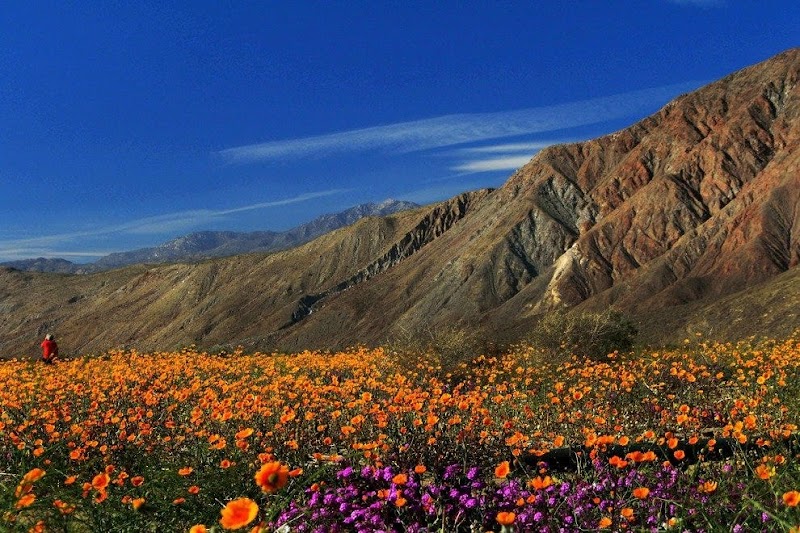
Adventures near Borrego Springs
Discover the unique and memorable adventures that make Borrego Springs special.
Frequently Asked Questions
What is the best route in Anza-Borrego for practicing manual transmission?
S-2 from Borrego Springs over Banner Grade offers varied elevation and curves that challenge and hone your gear shifting skills.
Are there any specific driving hazards to be aware of in Anza-Borrego?
Watch for sudden wildlife crossings like bighorn sheep and unexpected sand patches blown onto the road, which can affect traction.
How does desert heat affect manual transmission vehicles?
High temperatures increase engine strain and can cause clutch slippage if overused; monitor temperature gauges and use engine braking to reduce overheating.
Is it safe to attempt steep hill starts in manual cars here?
Yes, but practice clutch control carefully; some grades are sharp and require smooth, confident starts to avoid rollback.
When is the best time to drive to avoid crowds and enjoy nature?
Early mornings on weekdays provide solitude, cooler temps, and the best light for both driving and sightseeing.
What should I do if my car overheats on a manual transmission road?
Pull over safely, turn off the engine to let it cool, check coolant levels, and avoid restarting until the system stabilizes.
Recommended Gear
Hydration Pack
Critical for safe driving and personal hydration in arid conditions.
Quality Driving Gloves
Enhances grip on manual transmission, especially useful during longer drives.
Sun Protection (hat and sunscreen)
Protects skin and reduces glare when exposed on open stretches.
Vehicle Toolkit and Spare Tire
Prep for remote desert conditions where help may be distant.
Local Insights
Hidden Gems
- "Hellhole Canyon Trailhead—offers quiet access and lesser-known vistas"
- "Yaqui Well Overlook—an unexpected patch of shade and history"
- "Fish Creek Wash Road—rugged terrain for off-pavement adventure"
Wildlife
- "Desert bighorn sheep often seen traversing steep slopes"
- "Roadrunner and Gambel’s quail dart through brush edges"
- "Rattlesnakes bask near rocky outcrops during warmer months"
History
"The park preserves fascinating Cahuilla and Kumeyaay indigenous sites as well as remnants of early 20th-century mining camps, reflecting deep human connections with this fierce environment."